Editor’s Note: We do everything we can to filter through the various opinions when it comes to prepping. There is no universally agreed upon strategy. Everyone must assess their own situation and come up with a plan. All we can do is offer some guidance.
For today’s (long overdue) episode of Late Prepper, I referenced the article below by Kevin Hughes at Natural News. As I noted in the show, I don’t completely agree with everything that’s in the article but it’s a good starting point, especially for those who are truly late to the game. Here’s my show followed by Kevin’s article…
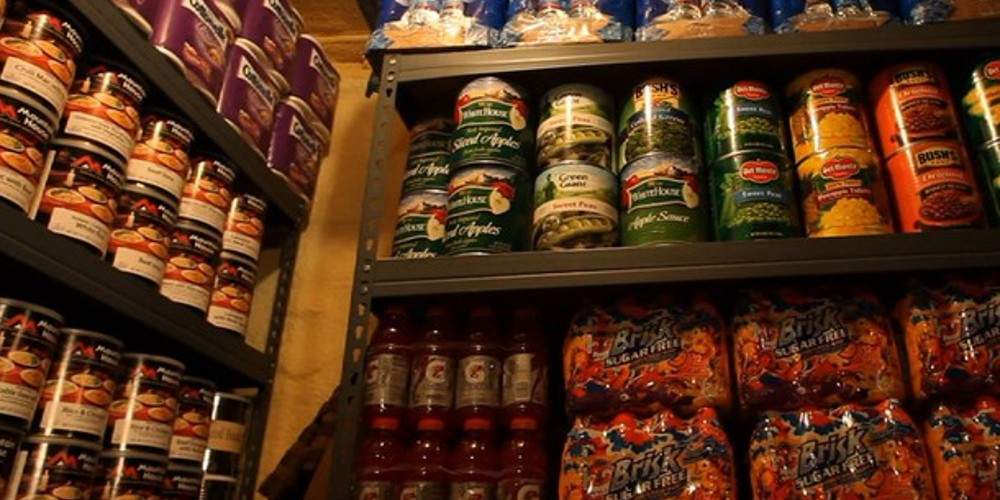
Stockpiling foods that can last for weeks or years is not just a smart way of beating rising food costs. It can also help you save money and be prepared for emergencies.
In the event of a long power outage, having even a small supply of long-shelf life foods, such as dry goods, canned goods and freeze-dried foods, can make a big difference. You’ll also be grateful to have a little extra food at home when you get sick and can’t go out to buy groceries. Because of inflation and rising food prices, keeping shelf-stable foods is a good investment.
Tips for stocking up on food
Remember to stock up on foods that you actually eat or drink. Don’t stockpile foods that you or your family members are allergic to or won’t touch.
When buying groceries, you should also know the exact quantity of food your family consumes on a regular basis; buy some extra. (Related: 10 Tips for stockpiling food.)
Foods from a supermarket or grocery all have an expiration date, which indicates when a food product will start to taste bad. However, some food products are still safe to eat well past their expiration date.
To determine if you should get rid of an expired food item or not, look for signs that the food has gone bad. Bloated or leaking cans, signs of mold or insect damage and a foul odor are just some warning signs that a product is no longer safe for consumption.

You should also stock up on ingredients that you often use in your recipes, like herbs and spices and canned sauces. If your family likes to drink tea or coffee, stock up on them as well.
Pay attention to the foods you want to stockpile and learn to experiment in the kitchen. Before buying plenty, try cooking with a certain food or product to make sure that you really like its taste and you’ll consume it.
Dry goods like salt, sugar, grains, flour, rice and dried beans can be stored at room temperature. Remember that dry goods are historically crucial food supplies that you need to store in bulk for months or years. To prolong their shelf life, you can store them in Mylar bags or other airtight containers.
Ways to extend the shelf life of foods
There are many ways to extend the shelf life of foods in your stockpile. Here are some tips to follow:
- Store food in a cool, dry place. Be mindful of the temperature; some foods are fine with room temperature while others prefer freezing temperatures.
- Check the humidity in your storage area. Wheat, flour and other dry goods should be stored in a place with little to no moisture in the air. Fresh foods like fruits and vegetables require a specific humidity level to extend the time they can be in storage.
- Fats react with oxygen and easily go rancid, so choose foods with low fat content. These foods will keep for long in storage.
- Consider reducing oxygen in your storage area since oxidation causes food to spoil quickly.
- Use tightly sealed containers to reduce oxidation and make food last longer.
- Store foods away from direct sunlight and in airtight containers.
Foods with a long shelf life
When SHTF, having a stockpile of shelf-stable foods will help you and your family survive.
Here’s a list of the best long-shelf life foods to store:
- Foods that last 25 to 30+ years: White rice, wild rice, rolled oats, corn, buckwheat and red or white winter wheat; legumes like pinto beans, black beans, lentils and peas; waxed cheese; dehydrated fruit slices; freeze-dried eggs and instant coffee; white flour; dried corn like dent or flint corn; hardtack; soy sauce; and freeze-dried meals like MREs (meals ready to eat)
- Foods that last 5 to 25 years: Raw molasses, powdered eggs, dehydrated carrots, ghee, powdered low-fat milk, powdered sour cream, canned goods, freeze -dried bacon and freeze-dried fruits
- Foods that last 2 to 5 years: Virgin coconut oil, spices, mustard powder, dark chocolate, cocoa powder, pasta products, canned soup and chili, canned tuna, chicken and beef; pemmican, frozen eggs, jelly, jam, canned fruit, pickled veggies, peppercorns and flavored liquor
- Foods that last 1 to 2 years: Regular beef jerky, bouillon cubes, canned tomato sauce, salsa and other tomato-based products; vegetable oil, whole powdered milk, peanut butter, dried raisins, cranberries and cherries; homegrown garlic, pancake mix, ground pepper, frozen broccoli, corn off the cob and vacuum-sealed frozen meat
- Foods that last 3 to 9 months: Hard winter squash, long storage apples, long storage potatoes, brown rice, short storage potatoes, breakfast cereal, block cheese, farm-fresh (unwashed) eggs, granola bars, homegrown carrots or parsnips, supermarket garlic cloves, vanilla beans, storage onion, sausage, beer and packaged frozen meat
- Foods that last a couple of weeks to three months: Sweet onions, minced jarred garlic, pears, short storage apples, supermarket eggs, regular squash, strawberries, walnuts, garden tomatoes, pumpkin, supermarket tomatoes and asparagus
- Foods that last indefinitely: Salt, sugar, baking soda and baking powder, if stored properly
- Raw honey, a healthy sugar substitute, can last forever.
Visit FoodFreedom.news for more articles like this.
Watch the video below to learn how to make your own storable food with a long shelf life.
This video is from the Health Ranger Report channel on Brighteon.com.
More related stories:
- Food storage tips and tricks for preppers.
- Food storage tips: 11 Superfoods that boost your nutrient intake.
- Prepping on a budget: 12 Ways to prep without spending too much.
- Food storage tips: How to keep pests out of your survival stockpile.
Sources include:
Bypass Big Tech Censors
JD’s manually curated links for God-fearing MAGA patriots
Starting the Day With a Scripture-Inspired Roast Helps Center Your Thoughts on Eternal Truths Amid Temporal Pressures
The world can seem chaotic, especially right after we wake up. Many believers start their mornings reaching for something familiar — a hot cup of coffee — yet end up settling for mediocre brews that do little more than deliver a caffeine jolt. The daily grind of life, with its endless distractions, news cycles, and responsibilities, can leave even the most faithful feeling spiritually parched alongside their physical fatigue. What if your morning ritual could do more than wake you up? What if it could ground you in truth, nourish your body with exceptional quality, and quietly advance a kingdom purpose at the same time?
That’s the promise — and the reality — behind Promised Grounds Coffee. This Christian-founded company doesn’t just roast beans; it approaches every step as an act of worship and discipleship. By selecting only the top 10% of specialty-grade beans, ethically sourced from dedicated farmers in Central and South America, and small-batch roasting them with reverence in Austin, Texas, Promised Grounds delivers what many describe as the best coffee available — never burnt, never bland, but rich with origin stories and layered flavors that honor God’s creation.
From the vibrant Psalm 27 Roast (a light, bright medium option) to the bold yet peaceful 2 Timothy 1:7 Decaf, each bag carries a Scripture verse that turns your daily pour into a gentle reminder of faith. And through their Ounce Per Ounce Promise, every ounce of coffee you enjoy provides an equal ounce of clean water to families in need via partnership with Filter of Hope — literally brewing hope for body and soul, one cup at a time.
The challenge for today’s Christians runs deeper than finding a decent cup. In an age of convenience-driven consumerism, it’s easy to support companies that dilute values or remain silent on matters of faith. Many believers want their everyday choices — from what they drink to how they spend — to reflect discipleship rather than just convenience. Promised Grounds solves this by weaving Christian excellence into the entire process: beans nurtured with prayerful stewardship by farming families, roasted as an offering rather than a commodity, and packaged with Bible verses to encourage a mindset of gratitude and purpose from the first sip. Reviewers consistently praise the smooth, rich profiles — whether enjoyed black in a drip maker, iced on a warm day, or shared in fellowship — noting how the quality stands toe-to-toe with premium secular brands while delivering something far more meaningful.
This integration of faith and flavor addresses a real need in Christian households and ministries. Busy parents, church leaders, and remote workers alike report that starting the day with a Scripture-inspired roast helps center their thoughts on eternal truths amid temporal pressures. The coffee’s exceptional character — bright citrus notes in lighter roasts or deep chocolate undertones in bolder ones — comes from meticulous selection and careful roasting that respects the bean’s natural gifts rather than masking them. It’s the kind of coffee that elevates a simple quiet time, fuels productive workdays, or sparks meaningful conversations when shared at Bible studies or outreach events. And because it’s ethically sourced with integrity, every purchase supports sustainable livelihoods for farmers who treat their crops like family harvests.
For those leading churches or small groups, the impact multiplies. Promised Grounds offers bundles and options perfect for hospitality ministries, turning ordinary coffee service into an opportunity to point people toward the living water of Christ. Imagine greeting visitors with a warm cup whose very bag carries God’s Word — a subtle yet powerful witness that aligns with the Great Commission. The company’s Texas roots and commitment to “brewing hope” resonate especially with believers who value American enterprise paired with global compassion.
Of course, quality alone isn’t enough if the experience feels out of reach. Promised Grounds keeps it accessible with practical perks like free shipping on orders over $40, sample sets for discovering favorites, and thoughtful add-ons such as faith-themed mugs. Whether you prefer whole beans for fresh grinding, grounds for convenience, or even bulk options for larger households and ministries, the result is consistently superior coffee that makes discipleship feel integrated rather than added on.
As you consider how to align even the smallest habits with your walk with God, Promised Grounds Coffee stands out as a refreshing solution. It tackles the dual problems of subpar daily sustenance and disconnected consumption by offering a product that genuinely excels in taste while advancing a mission of clean water, farmer dignity, and scriptural encouragement. Believers who make the switch often describe it as more than a beverage upgrade — it becomes part of their rhythm of gratitude, a daily invitation to remember that every good gift comes from above.
If you’re ready to transform your mornings (and perhaps your church gatherings) with coffee that honors both exceptional craftsmanship and Christian values, I encourage you to explore what Promised Grounds has to offer. One sip at a time, you’ll be nourishing your body, refreshing your spirit, and participating in something far greater — all while enjoying what truly is among the best coffee available.