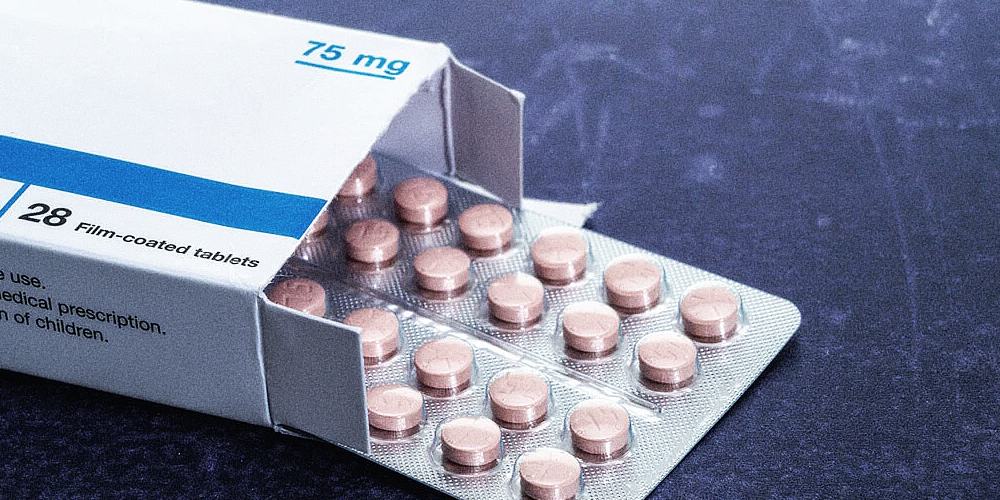
- One of the biggest misconceptions is that cholesterol causes heart disease and that statins, which lower cholesterol, prevent it. Not only is this untrue, but the highly profitable statins are also among the most harmful pharmaceuticals available (and share many eerie parallels to the COVID vaccines)
- Despite growing evidence that lowering cholesterol does not reduce heart disease, the medical industry continues to push statins. Studies have shown that the benefits of statins are minimal, with data manipulated to exaggerate their effectiveness
- Statins are aggressively promoted, not because of their efficacy, but due to financial interests in the pharmaceutical industry. Guidelines on cholesterol and statins are often created by experts who have conflicts of interest. Many doctors and patients are penalized for not adhering to these guidelines
- Statins cause significant harm, with side effects like muscle pain, cognitive issues, and even life-threatening conditions such as diabetes and liver dysfunction. Despite widespread patient reports of these injuries, the medical community often dismisses them, attributing them to a “nocebo effect” or imagining the problem
(Mercola)—The more I study science, and particularly medicine, the more I come to see how often fundamental facts end up being changed so that a profitable industry can be created. Recently I showed how this happened with blood pressure, as rather than causing arterial damage, high blood pressure is a response to arterial damage that ensures damaged arteries can still bring blood to the tissues and, in turn, rather than helping patients, aggressively lowering blood pressure can be quite harmful.
In this article, I will look at the other half of the coin, the Great Cholesterol Scam — something that harms so many Americans it was recently discussed by Comedian Jimmy Dore.
First, they scammed you on skin cancer when the sun is good for you.
Now, they're scamming you again on cholesterol to sell you a lifetime medication.
This entire narrative of cholesterol being the villain in heart disease was built on a lie.
What doctors fail to tell you is… pic.twitter.com/bhhkFBBDbb
— A Midwestern Doctor (@MidwesternDoc) September 11, 2024
Cholesterol and Heart Disease
Frequently, when an industry harms many people, it will create a scapegoat to get out of trouble. Once this happens, a variety of other sectors will jump on the bandwagon and create an unshakable societal dogma.
For example, the health of a population (or if they are being poisoned by environmental toxins) determines how easily an infectious disease can sweep through a population and who is susceptible to it, but reframing infectious diseases as a “deficiency of vaccines” it both takes the (costly) onus off the industries to clean up the society and simultaneously allows them to get rich promoting the pharmaceutical products that “manage” each epidemic and the even larger epidemic of chronic diseases caused by those vaccines (discussed in detail here).
Note: The major decline in infectious illness that is credited to vaccines actually was a result of improved public sanitation, and when the data is examined (e.g., for smallpox) those early vaccination campaigns made things worse not better.
In the 1960s and 1970s, a debate emerged over what caused heart disease. On one side, John Yudkin1 effectively argued that the sugar being added to our food by the processed food industry was the chief culprit. On the other side, Ancel Keys2 (who attacked Yudkin’s work) argued that it was due to saturated fat and cholesterol.
Note: Leaders in the field of natural medicine, like Dr. Mercola, have made a strong case this spike came from the mass adoption of seed oils (which thanks to our unprecedented political climate is at last being discussed on the mainstream news). Likewise, some believe the advent of water chlorination was responsible for this increase.3
Ancel Keys won, Yudkin’s work was largely dismissed, and Keys became nutritional dogma. A large part of Key’s victory was based on his study of seven countries (Italy, Greece, Former Yugoslavia, Netherlands, Finland, America, and Japan), which showed that as saturated fat consumption increased, heart disease increased in a linear fashion.

However, what many don’t know (as this study is still frequently cited) is that this result was simply a product of the countries Keys chose (e.g., if Finland, Israel, Netherlands, Germany, Switzerland, France, and Sweden had been chosen, the opposite would have been found).
Fortunately, it’s gradually become recognized that Keys did not accurately report his data. For example, recently an unpublished 56 month randomized study4 of 9,423 adults living in state mental hospitals or a nursing home (which made it possible to rigidly control their diets) was unearthed.
This study, which Keys was the lead investigator of, found that replacing half of one’s animal (saturated) fats with seed oil (e.g., corn oil) lowered their cholesterol, but for every 30 points it dropped, their risk of death increased by 22% (which roughly translates to each 1% drop in cholesterol raising the risk of death by 1%).
Note: The author who unearthed that study also discovered another (unpublished) study from the 1970s of 458 Australians, which found that5 replacing some of their saturated fat with seed oils increased their risk of dying by 17.6%.
Likewise, recently, one of the most prestigious medical journals in the world published6 internal sugar industry documents. They showed7 the sugar industry had used bribes to make scientists place the blame for heart disease on fat so Yudkin’s work would not threaten the sugar industry. In turn, it is now generally accepted that Yudkin was right, but nonetheless, our medical guidelines are still largely based on Key’s work.
However, despite a significant amount of data that now shows lowering cholesterol is not associated with a reduction in heart disease, the need to lower cholesterol is still a dogma within cardiology.8,9,10,11,12,13 For example, how many of you have heard of this 1986 study which was published in the Lancet14 which concluded:
“During 10 years of follow-up from December 1, 1986, to October 1, 1996, a total of 642 participants died. Each 1 mmol/L increase in total cholesterol corresponded to a 15% decrease in mortality (risk ratio 0 to 85 [95% Cl 0·79 to 0·91]).”
Statins Marketing
One of the consistent patterns I’ve observed within medicine is that once a drug is identified that can “beneficially” change a number, medical practice guidelines will gradually shift to prioritizing treating that number and before long, rationales will be created that require more and more of the population to be subject to that regimen. Consider for example the history of the (immensely harmful) blood pressure guidelines:

In the case of statins, prior to their discovery, it was difficult to reliably lower cholesterol, but once they hit the market, research rapidly emerged arguing for a greater and greater need to lower cholesterol, which in turn led to more and more people being placed on statins.

As you would expect, similar increases also occurred within the USA. For example, in 2008 to 2009, 12% of Americans over 40 reported taking a statin, whereas in 2018 to 2019, that had increased to 35% of Americans.15 Given how much these drugs are used, it then raises a simple question — how much benefit do they produce?
As it turns out, this is a remarkably difficult question to answer as the published studies use a variety of confusing metrics to obfuscate their data (which means that the published statin trials almost certainly inflate the benefits of statin therapy), and more importantly, virtually all of the data on statin therapy is kept by a “private” (industry-funded)16 research collaboration17 that consistently publishes glowing reviews of statins (and attacks anyone who claims otherwise)18 but simultaneously refuses to release their data to outside researchers,19 which has led to those researchers attempting to get this missing data from the drug regulators.20
Note: As discussed in Dr. Malhotra’s interview below, this collaboration (which militantly insists less than 1% of statin users experience side effects) also created a test one could utilize to determine if one was genetically at risk for a statin injury — and in their marketing for the test said 29% of all statin users were likely to experience side effects (which they then removed once health activists publicized this hypocrisy).
Nonetheless, when independent researchers looked at the published trials (which almost certainly inflated the benefit of statin therapy) they found21 that taking a statin daily for approximately 5 years resulted in you living, on average, 3 to 4 days longer. Sadder still, large trials have found22 this minuscule “benefit” is only seen in men. In short, most of the benefit from statins is from creative ways to rearrange data and causes of death, not any actual benefit.
Note: This is very similar to Pfizer’s COVID vaccine trial23 which professed to be “95% effective” against COVID-19, but in reality only created a 0.8% reduction in minor symptoms of COVID (e.g., a sore throat) and a 0.037% reduction in severe symptoms of COVID (with “severe” never being defined by Pfizer).
This in turn meant that you needed to vaccinate 119 people to prevent a minor (inconsequential) case of COVID-19, and 2711 to prevent a “severe” case of COVID-19.
Worse still, a whistleblowers later revealed that these figures were greatly inflated as individuals in the (unblinded) vaccine group who developed COVID-19 like symptoms weren’t tested for COVID-19 and their vaccine injuries were never reported. Sadly, in most cases (e.g., the statin trials) we don’t have access to whistleblowers who can inform us of how unsafe and ineffective these drugs actually are.
In circumstances like these where an unsafe and ineffective but highly lucrative drug must be sold, the next step is typically to pay everyone off to promote it. For example:24
“The National Cholesterol Education Programme (NCEP) has been tasked by the National Institutes of Health to develop guidelines [everyone uses] for treating cholesterol levels. Excluding the chair (who was by law prohibited from having financial conflicts of interest), the other 8 members on average were on the payroll of 6 statin manufacturers.25
In 2004, NCEP reviewed 5 large statin trials and recommended: ‘Aggressive LDL lowering for high-risk patients [primary prevention] with lifestyle changes and statins.’”
In 2005 a Canadian division of the Cochrane Collaboration [who were not paid off] reviewed 5 large statin trials (3 were the same as NCEP’s, while the other 2 had also reached a positive conclusion for statin therapy). That independent assessment instead concluded:26 “Statins have not been shown to provide an overall health benefit in primary prevention trials.”
Note: The primary reason no cure for COVID-19 was ever found was that the guideline panel for COVID-19 treatments was handpicked by Fauci27 and comprised of academics taking money from Remdesivir’s manufacturers. Not surprisingly, the panel always voted against recommending any of the non-patentable treatments for COVID-19, regardless of how much evidence there was for them.

Likewise, the American College of Cardiology made a calculator28 to determine your risk of developing a heart attack or stroke in the next ten years based on your age, blood pressure, cholesterol level, and smoking status. In turn, I’ve lost track of how many doctors I saw proudly punch their patient’s numbers into it and then inform them that they were at high risk of a stroke or heart attack and urgently needed to start a statin.
Given that almost everyone ended up being “high risk” I was not surprised to learn that in 2016, Kaiser completed an extensive study29 which determined that this calculator overestimated the rate of these events by 600%. Sadly, that has not at all deterred the use of this calculator (e.g., medical students are still tested on it for their board examinations).
Note: One of the most unfair things about statins is that the health care system decided they are “essential” for your health, so doctors who don’t push them are financially penalized, and likewise patients who don’t take them are as well (e.g., through life insurance premiums).30
So, despite the overwhelming evidence against their use, many physicians believe so deeply in the “profound” benefits of statins that they do things like periodically advocating for statins to be added to the drinking water supply.31
In tandem, a cancel culture (reminiscent of what we saw with the COVID vaccines) has been created where anyone who challenges the use of Statins is immediately labeled as a “statin denier” accused of being a mass murderer and effectively canceled. Recently, a statin and COVID vaccine dissident, British Cardiologist Aseem Malhotra discussed the dirty parallels between these two industries on Joe Rogan:
In addition to doctors being forced to follow these guidelines, patients often are too. Doctors often retaliate against patients who do not take statins (similar to how unvaccinated patients were reprehensibly denied essential medical care during COVID-19).

Employers sometimes require cholesterol numbers to meet a certain threshold for employment (although they never did anything on the scale of the COVID-19 vaccine mandates placed on workers around America). Similarly, life insurance policies often penalize those with “unsafe” cholesterol numbers.
Statin Injuries
My primary issue with the statins is not the fact we waste billions each year on a useless therapy (approximately 25 billion per year in America alone).32 Rather, it’s the fact that they have a very high rate of injury. For example, the existing studies find between a 5% to 30% rate of injuries,33 and Dr. Malhotra, having gone through all the existing evidence estimates that 20% of statin users are injured by them.
Likewise, statins are well known for having a high percentage of patients discontinue the drugs due to their side effects (e.g., one large study34 found 44.7% of older adults discontinue the drugs within a year of starting them, while another large study of adults of all ages found 47% discontinued within a year).35
Statins in turn, are linked to a large number of complications36 that have been well-characterized (e.g., mechanistically) and described throughout the medical literature.37,38,39,40,41,42 One group of side effects are those perceived by the patient (which often make them want to stop using the medications). These include:
- A high incidence of muscle pain43,44,45,46,47,48,49
- Fatigue50,51 especially with exertion and exercise52
- Muscle inflammation (whose cause remains “unknown”)53,54
- Autoimmune muscle damage55,56,57,58
- Psychiatric and neurologic issues such as depression, confusion, aggression, and memory loss59,60,61,62,63,64,65,66,67
- Severe irritability68
- Sleep issues69
- Musculoskeletal disorders and injuries70,71
- Sudden (sensorineural) hearing loss72
- Gastrointestinal distress73
The other group are those not overtly noticed by the patient. These include:
- Type-2 diabetes,74,75,76,77,78 particularly in women79,80,81
- Cancer82,83,84,85
- Liver dysfunction and failure86,87
- Cataracts88,89
- ALS-like conditions and other central motor disorders (e.g., Parkinson’s disease and cerebellar ataxia)90,91,92,93,94
- Lupus-like syndrome95
- Susceptibility to herpes zoster (shingles)96,97,98
- Interstitial cystitis99
- Polymyalgia rheumatica100
- Kidney injury101,102
- Renal failure103
From the start, I noticed statin patients often reported numbness, muscle pain, or cognitive issues after starting these drugs, which resolved once they stopped. When this was brought up with their doctors, the response was often hostile, with doctors insisting statins couldn’t be the cause, citing their own experience or claiming the patient needed to continue the medication to avoid a heart attack.
In turn, as the years went by, I saw increasingly elaborate excuses being created to protect the statins from an ever-increasing awareness of their dangers. A common one was the “nocebo effect” — the idea that negative expectations caused the reported symptoms. For example, I lost count of how many doctors I knew who cited this 2016 study104 when patients stated they had been injured.
The nocebo effect is the opposite of the placebo effect. While the placebo effect occurs when a person experiences positive outcomes from a treatment because they believe it will help, the nocebo effect happens when negative outcomes arise simply because a person expects harm from a treatment, even if the treatment itself is harmless or ineffective.
This theory was used to dismiss patients’ experiences despite the fact that many were unaware of possible side effects until they occurred and then looked them up.
If you take this story and replace “statin” with COVID-19 vaccines, you will see it is essentially what everyone has experienced over the last four years (e.g., I lost count of how many times vaccine myocarditis was diagnosed as “anxiety”).
Note: Two adverse event reporting systems exist for adverse reactions to pharmaceuticals, MedWatch105 and FAERS.106 Like VAERS, they suffer from severe underreporting (it is estimated only 1% to 10% of adverse events are reported to them), but none the less, thousands of (ignored) reports can be found there of the common injuries which result from statins.107
Conclusion
Most pharmaceutical medications work by blocking the function of an enzyme within the body, which while an effective way to change physiology, is often incredibly detrimental as each enzyme within the body is there for a reason. Statins do just that (and at the time were a revolutionary approach since decades of research had not yielded a consistent way to lower cholesterol). Unfortunately, the enzyme they chose doesn’t just lower cholesterol.
Bypass Big Tech Censors

Sadly, however, since that was the only way to make statin’s “work,” the research community has largely ignored the consequences of eliminating all the other essential biomolecules that originate from mevalonate. For example, many of the characteristic side effects of statins can be addressed by simply supplementing with Coenzyme Q10 (an essential nutrient for the mitochondria, heart and muscles) — in fact Merck even patented a Statin-CoQ10 preparation.108
However, acknowledging that would be akin to admitting statins are not “safe and effective” and it hence has never been done (a situation analogous to the fact many disabling childhood vaccine injuries could avoided if the vaccines were spaced out, yet those who proposed doing so are instead simply attacked for “not following the CDC’s schedule”).
Worse still, the massive market for “lowering cholesterol” has suppressed all research into the actual causes of heart disease and as a result, despite spending 25 billion a year on statins,109 heart remains the top cause of death in America. This is an immense tragedy as the actual causes and treatments of heart disease have been known for decades, but still remain Forgotten Sides of Medicine.
Author’s note: This is an abridged version of a longer article about the great cholesterol scam which goes into greater detail on the dangers of statins, the actual causes of heart disease, and the natural ways to safely heal the arterial system and prevent heart disease. That article and its additional references can be read here.
A Note from Dr. Mercola About the Author
A Midwestern Doctor (AMD) is a board-certified physician from the Midwest and a longtime reader of Mercola.com. I appreciate their exceptional insight on a wide range of topics and I’m grateful to share them. I also respect AMD’s desire to remain anonymous since AMD is still on the front lines treating patients. To find more of AMD’s work, be sure to check out The Forgotten Side of Medicine on Substack.
See all references
Bypass Big Tech Censors
Two Storms, One Harvest

Every food crisis in living memory has been a one-shock event. The 2008 price spike was a commodity bubble. The 2020 shortages were a logistics failure. The 2022 grain scare was a war on one exporter’s ports. Each time, the system bent, adjusted, and recovered, and each time the experts assured us afterward that global markets are simply too big and too diversified to fail.
What nobody in Washington seems eager to discuss is that 2026 is shaping up to be something the modern food system has never actually faced. Two independent shocks, one climatic and one geopolitical, are converging on the same harvest cycle at the same time. Not sequentially. Simultaneously.
Start with the weather. The Pacific Ocean is currently building toward what forecasters now openly call a record event. NOAA’s Climate Prediction Center puts the odds of at least a strong El Niño near 88 percent, with roughly two in three odds it reaches “very strong” status, the tier reserved for perhaps three or four events in the entire satellite era. Every major global model now projects a median peak in Super El Niño territory, and most of them project it exceeding the 2015-16 event, which until now held the modern record. Sea surface anomalies were already brushing the super threshold in mid-July, months before these events normally peak. The atmosphere has already shifted into El Niño mode, and the event is forecast to crest in late fall and early winter.
This is not about “climate change.” It’s about the standard cycles of weather, and the cycle we’re currently in is one that has likely devastated societies in the past. We’re better prepared as a society today, but not all Americans are equally prepared.
Serious households have started doing the quiet math on their own. Grocery bills tell part of the story, and the forecast maps tell the rest, which is why long-term food storage has moved from fringe hobby to mainstream line item in the family budget, with established suppliers like Heaven’s Harvest seeing demand from people who five years ago would have rolled their eyes at the idea. That instinct is not paranoia. It is pattern recognition, and the pattern is worth walking through carefully.
Editor’s Note: Heaven’s Harvest IS a sponsor, but the warnings of this article are real and would be written even if we didn’t have a survival food sponsor. With that said, those who take advantage of what they offer can use promo code “Patriot” for 15% off.
The Fertilizer Clock Is Already Running
While the Pacific warms, the second shock has been unfolding in the Strait of Hormuz. The conflict with Iran turned the world’s most important energy chokepoint into a contested waterway, and the consequences reach far beyond the gas pump. Roughly a third of global fertilizer trade moves through Hormuz, and the disruption sent urea prices up 86 percent year over year by March, with a 53 percent jump in a single month.
The World Bank projects energy prices rising about 24 percent in 2026 and fertilizer about 31 percent. By its own accounting, fertilizer prices ran 35 percent higher in the first five months of this year than the same period last year.
Here is the mechanism the nightly news will not explain. Fertilizer is not a grocery item. It is a time-delayed input. The nitrogen a farmer in Iowa or Punjab could not afford to apply this spring does not show up as a problem this spring. It shows up as a thinner harvest six to twelve months later.
The World Bank’s own food security brief concedes that the effects of reduced applications earlier this season “are likely to become visible only later in harvest outcomes.” Translate that from institutional language into plain English and it means this. The damage is already done, it is already in the ground, and we are simply waiting for it to arrive on the shelf.
Now check the calendar. Six to twelve months from the spring planting season lands us squarely in late 2026 and early 2027. Which is precisely when the strongest El Niño in the instrumental record is forecast to peak, bringing its signature droughts to Southeast Asia, Australia, southern Africa, northern Brazil, and South Asia, the very regions that grow the world’s rice, sugar, and oilseeds.
The World Bank warns openly that a strong El Niño “could disrupt multiple crop belts simultaneously” on top of the conflict-driven input costs. Their baseline projection assumes the Middle East disruptions ease by autumn. What in the last two years of Middle East history suggests that assumption is safe?
The System Has No Slack Left
The comfortable answer is that global markets always adjust. But adjustment requires slack, and the slack is gone. Global cereal production is expected to decline from last year’s records even before El Niño does its work. The UN World Food Programme, hardly a den of right-wing preppers, is calling this the most significant disruption to its supply chains since Covid and the invasion of Ukraine, and its supply chain director put the stakes bluntly.
Today’s supply chain challenges are tomorrow’s hunger crisis.
There is also a political dimension that markets cannot price. When food gets scarce, governments do not behave like economists. They behave like politicians. Export bans, hoarding mandates, and panic buying at the national level turned the modest rice shortfall of 2008 into a global crisis, and analysts are already warning that import-dependent nations are the first dominoes.
The 2015-16 Super El Niño, a far weaker event than what is now forecast, threw tens of millions into food stress across Africa and Asia. This one is projected to be stronger, and it arrives with fertilizer already rationed by price and shipping lanes already contested by missiles.
What Joseph Knew
Scripture does not treat preparation for lean years as faithlessness. It treats it as wisdom delivered in advance to those willing to act on it.
Behold, there come seven years of great plenty throughout all the land of Egypt: And there shall arise after them seven years of famine; and all the plenty shall be forgotten in the land of Egypt.
Joseph did not respond to that warning with a hashtag or a committee. He stored grain during the years of abundance, and when the famine came, Egypt stood while its neighbors begged. The lesson is not that famine is certain. It is that the time to prepare is precisely when preparation still looks optional.
Nobody who filled a pantry in a year of plenty has ever regretted it, and nobody standing in an empty aisle has ever been glad he waited for certainty.
None of this calls for panic, and panic is the enemy of sound judgment anyway. It calls for the same unglamorous prudence our grandparents considered ordinary. Keep some cash margin, know your local growers, and put real food in deep storage while it is cheap and available, because the entire arc of this story is that cheap and available is a closing window.
Families looking for a straightforward place to start can visit Heaven’s Harvest and use promo code Patriot for 15 percent off long-term storable food. The forecasts may yet soften, the strait may yet reopen, and we should pray they do. But hope is a fine thing to hold and a foolish thing to eat.