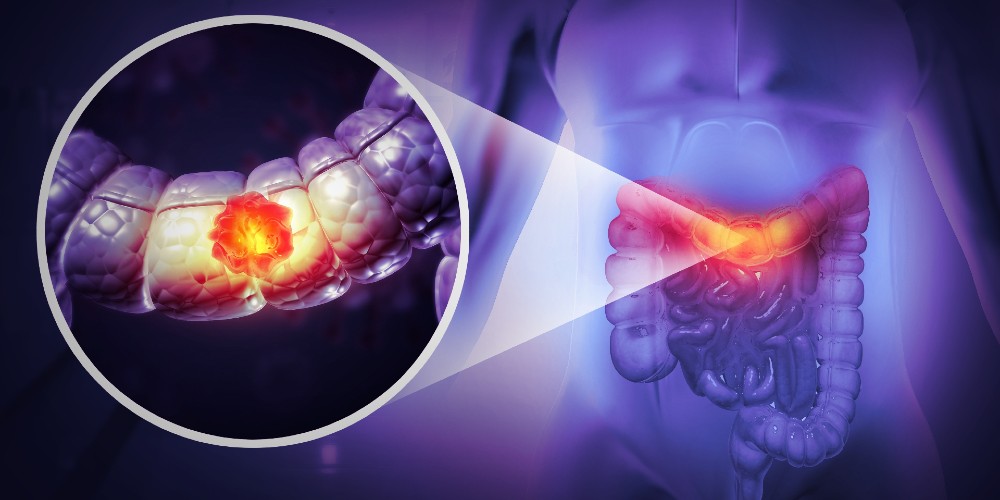
- Colon cancer is the second leading cause of cancer-related deaths in the U.S., and research shows a strong connection between gut health and cancer risk, particularly related to your diet
- Ultraprocessed foods containing vegetable oils are high in linoleic acid (LA), which disrupt the gut’s healthy bacteria balance, leading to chronic inflammation that increases colon cancer risk
- Research published in Gut shows that colorectal cancer samples have defective “lipid class switching,” preventing the normal transition from inflammatory to resolution phase in healing processes
- The modern Western diet’s overreliance on vegetable oils (such as canola, corn and soybean) creates an omega-6 to omega-3 imbalance, promoting harmful gut bacteria growth and sustained inflammation
- To protect gut health, reduce linoleic acid intake below 5 grams daily, avoid all ultraprocessed foods with vegetable oils and maintain a balanced diet rich in whole foods. Omega-3 intake must also be limited, as too much will also cause similar damage to linoleic acid
(Mercola)—According to the National Cancer Institute, colon cancer is the second leading cause of cancer-related deaths in the United States in 2024.1 While it’s a cause for concern, the good news is that research is constantly uncovering the causes of this disease, allowing you to prevent it. One area of growing interest is the connection between your gut health and cancer risk, particularly the composition of the food you eat.
Your gut is a fascinating, complex ecosystem teeming with trillions of bacteria, both helpful and harmful. These tiny residents play a crucial role in digestion, nutrient absorption and even your immune system.
Through various processes and interventions, your body maintains a delicate balance, with the good bacteria keeping the bad ones in check. But when this balance gets disrupted, particularly due to consumption of vegetable oils, chronic inflammation arises, contributing to various health problems, including colon cancer.
Decoding Your Diet — The Rise of Ultraprocessed Foods
The ultraprocessed foods you see in your grocery store aisles, like instant noodles, frozen pizzas and pre-packaged snacks, have undergone extensive changes from their natural state, and often contain added sugars and artificial flavors. While convenient, these hidden ingredients negatively impact your gut bacteria and overall health. Particularly harmful are vegetable oils, which fuel the rise of colon cancer in America.
In a study published in the journal Gut, researchers have shown a correlation between intake of ultraprocessed foods high in certain vegetable oils and an increased risk of colorectal cancer (CRC).2 To start, they likened CRC as a “chronically inflamed, poorly healing wound.” This contrasts with normal wound-healing, which is marked by a regular inflammatory process, but followed by a pro-resolution period.
Following this framework, they gathered 81 human CRC samples alongside normal samples for comparison. Using liquid chromatography and tandem mass spectrometry, they noted that CRC samples have defective “lipid class switching” that lean toward a proinflammatory state.3
In an interview for Scientific American, Dr. Timothy Yeatman, one of the co-authors of the study, explains this concept:
“Resolving lipids, or proresolving lipids, were only recently discovered by Charles Serhan of Harvard University. And he described something called ‘lipid class switching,’ which means that the body, when it undergoes normal healing, will switch from the inflammatory phase to the resolving phase.
He basically found that there are a number of these lipids — primarily omega-3 derivative lipids — that lead to resolution of inflammation. But inflammation, unchecked, can lead to cancer.”4
The Scientific American report also explains that chronic, rampant inflammation damages normal cells and impairs their ability to fight cancerous growth. And according to Yeatman, the high intake of omega-6 is a strong contributor.5 Explaining the class switching process further under a diet high in omega-6:6

“During the initial phase of normal wound healing, prostaglandins and leukotrienes (LTs) are synthesised and orchestrate an anti-inflammatory response wherein PGE2/PGD2 induce ALOX15 expression causing a switch from proinflammatory mediators (LTs) to pro-resolving lipid mediators (lipoxins, resolvins, maresins, protectins and maresins).
This process is called lipid mediator class switching (LCS) and has been identified as an essential mechanism for resolving inflammation. This LCS process appears to be deficient in CRC, resulting in the majority of tumours sustaining a chronic inflammatory state.”
Now, let’s talk about the vegetable oils lurking in many processed foods — canola, corn and soybean oil are all common examples. These oils are high in linoleic acid (LA). While LA is not inherently harmful because your body needs some of it, it becomes problematic when consumed in excess. The issue is vegetable oils are often used for frying, baking and adding flavor to the majority of processed foods, causing the modern Western diet to be overloaded with LA.
The Gut Microbiome — A Balancing Act
Your gut is like a bustling city with diverse residents. You have good bacteria acting as friendly shopkeepers to keep things running smoothly. Then there are the “bad bugs,” like mischievous pranksters, who cause trouble when they get out of control. Maintaining a healthy gut microbiome is all about ensuring the good bacteria have the upper hand.
Chronic inflammation, often triggered by an imbalance in the gut bacteria, contributes to various metabolic diseases.7 Think of it like a constant, low-grade fire in your city. This inflammation damages surrounding tissues and creates a breeding ground for disease.
So, how does diet impact this delicate ecosystem? When you consume a diet rich in ultraprocessed junk foods high in omega-6s, you’re nourishing the bad bugs. They thrive while the good bacteria struggle to compete. This disruption in the gut microbiome leads to an inflammatory environment, increasing the risk of colon cancer.
These findings were observed in a 2012 study;8 a decade later, research published in Nutrients still reinforces this same line of thought.9 As noted by the researchers, a high-fat diet disrupts the gut microbiome, leading to the creation of harmful metabolites that contribute to inflammation.
“The intestinal microbiota cause the deconjugation of bile acids in the intestine, resulting in the formation of secondary bile acids, including deoxycholic acid (DCA). It has been shown that a high-fat diet can increase DCA levels up to 10 times. Increased DCA levels are associated with impaired intestinal epithelial integrity along with gut inflammation …
In addition, high levels of secondary bile acids (BAs) contribute to the formation of reactive oxygen and nitrogen species. BAs also damage cell membranes, mitochondria, and DNA, which may result in an increased risk of colon cancer. Bacterial endotoxins and metabolites can synergistically increase their harmful properties.
The accumulation of DCA and lipoteichoic acid (LTA) amplifies signals caused by TLR2 activation, leading to overproduction of COX2, which is associated with the suppression of natural killer T and dendritic cells and may lead to cancer and inflammatory diseases,” they reported.
Simple Steps to Restoring Your Gut Health
Emerging research reveals that your gut and brain are intricately connected, often referred to as the gut-brain axis. This complex communication network significantly impacts mood, mental well-being, and even cognitive function. The gut and brain communicate through various pathways, including nerves, hormones and immune signals.10
Chronic stress negatively impacts gut health, disrupting the balance of gut bacteria and contributing to systemic and neural inflammation.11 Managing stress through techniques like mindfulness exercises, deep breathing, yoga or spending time in nature will positively impact both your mental and gut health. These practices help regulate your body’s stress response while promoting a healthier gut environment.
Sleep also plays a crucial role in the body’s repair and restoration processes, including the maintenance of a healthy gut microbiome. As noted in one study, sleep deprivation disrupts gut bacteria and contribute to inflammation.12 Therefore, prioritizing a good night’s sleep is essential for both your well-being, including gut health.
To help you sleep better, read “How Sleep Deprivation Impairs Cognitive Performance and Learning,” where I share seven actionable strategies to maximize sleep quality.
Regular exercise has been shown to have numerous benefits for gut health, too. It helps increase the diversity of gut bacteria and reduce inflammation.13 Engaging in regular moderate-intensity activities, such as walking, gardening, swimming or cycling, contribute to a thriving microbiome.
Following a moderate-intensity workout is important, as the study shows that it promotes gut health. Conversely, high-intensity exercise, especially for long durations, increase your risk of leaky gut syndrome and systemic inflammation, which results in gut dysbiosis.14
For an in-depth explanation why moderate-intensity exercise is my recommended way of staying fit, read “Nailing the Sweet Spots for Exercise Volume.” There, I explain why too much exercise backfires on your health, as well as why moderate-intensity exercises cannot be overdone.

Additional Strategies for a Healthy, Happy Gut
Aside from exercise and stress management, there are other ways to help protect your gut health. Here are some practical tips:
- Become a food label detective — Learn to decipher food labels and identify hidden sources of omega-6s. Look for ingredients like canola oil, safflower oil, corn oil or soybean oil and any of their derivatives. Opt for whole foods or snacks whenever possible. For example, ditch the chips and grab a slice of ripe fruit instead.
- Embrace whole foods — Fill your plate with a rainbow of fruits and vegetables, as well as healthy carbs like white rice and potatoes, and lean protein sources like grass fed beef. These whole foods provide your gut bacteria with the “fuel” they need to thrive and maintain a healthy balance.
- Add more gut-friendly foods — Consider incorporating prebiotics and probiotics into your diet. Prebiotics are a type of fiber found in foods like onions, apples and bananas, which act as food for the probiotics in your gut.
Meanwhile, fermented foods contain probiotics that nourish your gut. Homemade yogurt, kimchi or sauerkraut are viable examples. If you don’t enjoy the flavor profile of fermented foods, consider taking a high-quality probiotic supplement.
The Most Important Strategy — Reduce Your Intake of Vegetable Oils
Based on the published data, it’s clear that excess LA intake is one of the largest drivers of chronic disease in the Western diet. Therefore, in addition to the strategies I outline above, it’s crucial that you minimize your intake of LA as much as possible.
To be clear, your body still needs LA for optimal function. But again, the crux of the metabolic issues most adults experience today is excess intake due to the proliferation of ultraprocessed food both in groceries and restaurants. The top culprits that contribute to this problem are:
- Soybean
- Safflower
- Cottonseed
- Sunflower
- Canola
- Corn
When LA, a polyunsaturated fatty acid (PUFA) is oxidized, it releases damaging free radicals. In turn, these give rise to advanced lipoxidation end products (ALEs). In the case of omega-6 fats, they turn into OXLAMS (oxidized linoleic acid metabolites). Worse, LA has a half-life of 600 to 800 days, or approximately two years.
This means that it’ll take you several years to replace the 95% of the LA embedded in your cells with healthy fats. For a detailed explanation of the damage that LA causes, read “Linoleic Acid — The Most Destructive Ingredient in Your Diet.”
To protect your health, cut down your LA intake to below 5 grams per day, which is a similar amount to what our ancestors used to eat. If you’re able to get it below 2 grams per day, that’s even better. To ensure accurate measurements, enter your meals into Cronometer.com, which is a free online nutrition tracker. There, it’ll tally your total LA intake.

While LA is harmful, be mindful of your omega-3 intake, as this is a PUFA as well. When consumed in excess quantities, omega-3 will also create metabolic damage similar to LA as it also breaks down into ALEs. Moreover, the bulk of your food intake will comprise healthy carbs. If you eat too much fat, glucose metabolism will be hampered. As a general rule, keep your fat intake to below 30% of your daily calories.
- 1 NIH National Cancer Institute, Cancer Stat Facts: Common Cancer Sites
- 2, 3, 6 Gut. 2024 Dec 10:gutjnl-2024-332535, Key genes linked to pro-resolving lipid class switching showed extremely low expression in CRC tumours
- 4, 5 Scientific American, December 13, 2024
- 7 Nutrients. 2021 Oct 28;13(11):3839, Abstract
- 8 J Nutr Metab. 2012 Apr 5;2012:539426, Introduction
- 9, 11 Nutrients. 2021 Oct 28;13(11):3839, Metabolites
- 10 Nutrients. 2023 Mar 20;15(6):1496, Abstract
- 12 Sleep Medicine Reviews Volume 65, October 2022, 101691, Abstract
- 13 Front Nutr. 2021 Jun 10;8:637010, Abstract
- 14 Nutrients 2024, 16(21), 3663, Abstract
Bypass Big Tech Censors
Starting the Day With a Scripture-Inspired Roast Helps Center Your Thoughts on Eternal Truths Amid Temporal Pressures
The world can seem chaotic, especially right after we wake up. Many believers start their mornings reaching for something familiar — a hot cup of coffee — yet end up settling for mediocre brews that do little more than deliver a caffeine jolt. The daily grind of life, with its endless distractions, news cycles, and responsibilities, can leave even the most faithful feeling spiritually parched alongside their physical fatigue. What if your morning ritual could do more than wake you up? What if it could ground you in truth, nourish your body with exceptional quality, and quietly advance a kingdom purpose at the same time?
That’s the promise — and the reality — behind Promised Grounds Coffee. This Christian-founded company doesn’t just roast beans; it approaches every step as an act of worship and discipleship. By selecting only the top 10% of specialty-grade beans, ethically sourced from dedicated farmers in Central and South America, and small-batch roasting them with reverence in Austin, Texas, Promised Grounds delivers what many describe as the best coffee available — never burnt, never bland, but rich with origin stories and layered flavors that honor God’s creation.
From the vibrant Psalm 27 Roast (a light, bright medium option) to the bold yet peaceful 2 Timothy 1:7 Decaf, each bag carries a Scripture verse that turns your daily pour into a gentle reminder of faith. And through their Ounce Per Ounce Promise, every ounce of coffee you enjoy provides an equal ounce of clean water to families in need via partnership with Filter of Hope — literally brewing hope for body and soul, one cup at a time.
The challenge for today’s Christians runs deeper than finding a decent cup. In an age of convenience-driven consumerism, it’s easy to support companies that dilute values or remain silent on matters of faith. Many believers want their everyday choices — from what they drink to how they spend — to reflect discipleship rather than just convenience. Promised Grounds solves this by weaving Christian excellence into the entire process: beans nurtured with prayerful stewardship by farming families, roasted as an offering rather than a commodity, and packaged with Bible verses to encourage a mindset of gratitude and purpose from the first sip. Reviewers consistently praise the smooth, rich profiles — whether enjoyed black in a drip maker, iced on a warm day, or shared in fellowship — noting how the quality stands toe-to-toe with premium secular brands while delivering something far more meaningful.
This integration of faith and flavor addresses a real need in Christian households and ministries. Busy parents, church leaders, and remote workers alike report that starting the day with a Scripture-inspired roast helps center their thoughts on eternal truths amid temporal pressures. The coffee’s exceptional character — bright citrus notes in lighter roasts or deep chocolate undertones in bolder ones — comes from meticulous selection and careful roasting that respects the bean’s natural gifts rather than masking them. It’s the kind of coffee that elevates a simple quiet time, fuels productive workdays, or sparks meaningful conversations when shared at Bible studies or outreach events. And because it’s ethically sourced with integrity, every purchase supports sustainable livelihoods for farmers who treat their crops like family harvests.
For those leading churches or small groups, the impact multiplies. Promised Grounds offers bundles and options perfect for hospitality ministries, turning ordinary coffee service into an opportunity to point people toward the living water of Christ. Imagine greeting visitors with a warm cup whose very bag carries God’s Word — a subtle yet powerful witness that aligns with the Great Commission. The company’s Texas roots and commitment to “brewing hope” resonate especially with believers who value American enterprise paired with global compassion.
Of course, quality alone isn’t enough if the experience feels out of reach. Promised Grounds keeps it accessible with practical perks like free shipping on orders over $40, sample sets for discovering favorites, and thoughtful add-ons such as faith-themed mugs. Whether you prefer whole beans for fresh grinding, grounds for convenience, or even bulk options for larger households and ministries, the result is consistently superior coffee that makes discipleship feel integrated rather than added on.
As you consider how to align even the smallest habits with your walk with God, Promised Grounds Coffee stands out as a refreshing solution. It tackles the dual problems of subpar daily sustenance and disconnected consumption by offering a product that genuinely excels in taste while advancing a mission of clean water, farmer dignity, and scriptural encouragement. Believers who make the switch often describe it as more than a beverage upgrade — it becomes part of their rhythm of gratitude, a daily invitation to remember that every good gift comes from above.
If you’re ready to transform your mornings (and perhaps your church gatherings) with coffee that honors both exceptional craftsmanship and Christian values, I encourage you to explore what Promised Grounds has to offer. One sip at a time, you’ll be nourishing your body, refreshing your spirit, and participating in something far greater — all while enjoying what truly is among the best coffee available.