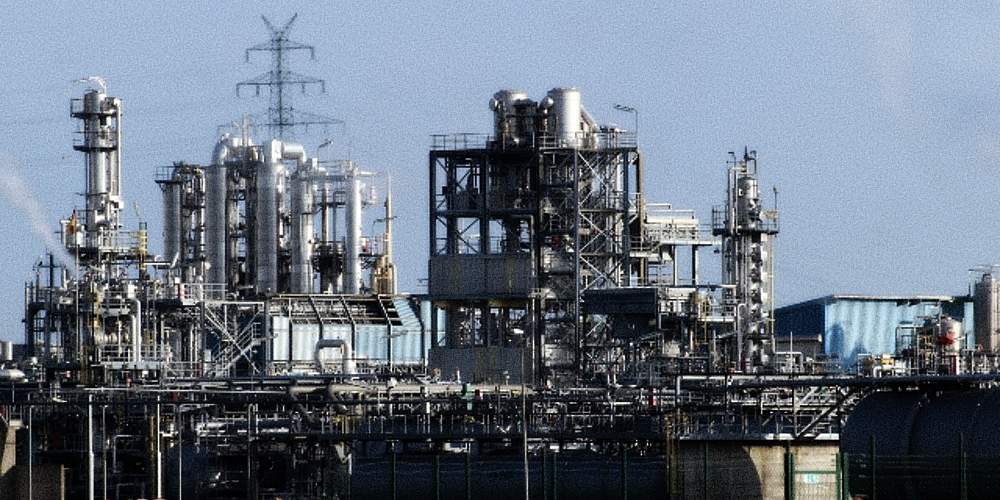
- California is considering state ownership of oil refineries as a response to the potential closure of several major refineries due to environmental regulations and market dynamics.
- The closure of refineries, such as the Phillips 66 facility in Wilmington, could lead to fuel shortages, price spikes and logistical issues, given California’s limited import options and lack of a multi-state logistics network.
- The proposal for state ownership is viewed as problematic, with concerns raised about the government’s ability to efficiently run refineries and manage the complex industry.
- California’s regulatory environment, including policies like banning gasoline-powered vehicles by 2035, has contributed to the current refinery crisis by making it unprofitable for private companies to operate in the state.
- The situation highlights the need for a more balanced approach to energy policy, as California’s current trajectory could result in higher gas prices, shortages and a government struggling to address the problems it has created.
(Natural News)—In a stark turn of events, California is considering a radical step: state ownership of oil refineries. This move, driven by the looming closure of several major refineries, could have profound economic and logistical implications. As the state teeters on the brink of a fuel supply crisis, the potential consequences of government intervention are cause for significant concern.
The reality of refinery closures
California’s gasoline demand has been on a gradual decline, thanks to more efficient engines and the increasing adoption of electric vehicles (EVs). However, the state still relies heavily on fossil fuels, and the closure of refineries without a reliable replacement strategy could spell disaster. Major refiners, including Chevron, Marathon, Phillips 66, PBF Energy and Valero, are under intense pressure from aggressive environmental regulations and shifting market dynamics. Some have already transitioned away from gasoline production, while others are contemplating permanent shutdowns.
The Phillips 66 refinery in Wilmington is set to close by the end of the year, and further closures could follow. As Skip York, chief energy strategist at Turner Mason & Co., warns, “Demand will decline gradually, but supply will fall out in chunks.” This mismatch between supply and demand could lead to fuel shortages, price spikes and logistical nightmares — none of which the state seems adequately prepared for.
State ownership: A disaster in the making
In response to the refinery crisis, the California Energy Commission has proposed a range of solutions, including state ownership of oil refineries. This extreme measure would place California alongside countries like Venezuela and Iran, where government-run refineries are the norm. The Western States Petroleum Association has already raised concerns about the feasibility of such a move, stating, “This is a very complex and hard business to run… There are commercial barriers and technical barriers that take a comprehensive and holistic understanding of the industry.”
The idea that state bureaucrats, many of whom have long opposed the oil industry, could suddenly manage refineries efficiently is deeply flawed. Running a refinery requires specialized expertise, operational efficiency and adaptability—qualities rarely associated with government-run enterprises. As Assembly Republican Leader James Gallagher pointed out, “We’re moving toward price controls and government takeover of industries. That’s never worked well in the history of the world.”
The supply chain nightmare
California is often referred to as a “gasoline island” due to its lack of a multi-state logistics network to mitigate supply disruptions. The state lacks pipelines bringing gasoline from neighboring states, and the antiquated Jones Act restricts ocean shipments from the refinery-rich Gulf Coast. Currently, California imports only 8% of its gasoline, with the remaining 92% refined within the state. If more refineries shut down, the state will be forced to import significantly larger quantities of gasoline, primarily from Asia. This scenario could lead to:
- Higher transportation costs
- Increased vulnerability to global supply chain disruptions
- Potential price volatility tied to international markets
Despite the environmental concerns over crude oil shipments, Assembly Republican Leader James Gallagher noted, “People freak out about the environmental impacts of crude oil shipments, but no one’s freaking out about the environmental impacts of gasoline imports.”
Historical context: A legacy of hostile regulation
California’s regulatory framework has been increasingly hostile to the oil industry for years. Policies such as banning the sale of new gasoline-powered vehicles by 2035 and potential penalties on refinery profits are making it increasingly unprofitable to operate refineries in the state. Chevron, a California staple since 1879, has announced plans to move its headquarters to Texas. Andy Walz, Chevron’s president of downstream, midstream and chemicals, summed up the issue: “Recent California policies… erode our confidence going forward.”

This regulatory environment has not only driven companies out of the state but has also created an atmosphere of uncertainty and mistrust. Instead of reassessing its approach, California seems determined to double down on policies that are driving the energy sector to the brink.
What’s the endgame?
State Senator Brian Jones bluntly stated, “The state has no business being in the oil refinery business.” Yet, here we are, discussing the possibility of California taking over one of the most complex industries in the world—all because its policies have made it impossible for private refiners to operate profitably.
The obvious solution would be to ease regulatory burdens, allow market forces to work and support energy diversity rather than forcing an abrupt transition to EVs. However, California’s leadership appears determined to force a radical transformation, regardless of the cost. The result? Higher gas prices, more shortages and a government scrambling to fix problems of its own making.
California is walking a dangerous road, and if state-owned refineries become a reality, the fuel crisis could get far worse before it gets better. The state’s energy policies have long been a subject of debate, but the current situation highlights the need for a more balanced and pragmatic approach to ensure reliable and affordable energy for all Californians.
Sources include:
Bypass Big Tech Censors

Starting the Day With a Scripture-Inspired Roast Helps Center Your Thoughts on Eternal Truths Amid Temporal Pressures
The world can seem chaotic, especially right after we wake up. Many believers start their mornings reaching for something familiar — a hot cup of coffee — yet end up settling for mediocre brews that do little more than deliver a caffeine jolt. The daily grind of life, with its endless distractions, news cycles, and responsibilities, can leave even the most faithful feeling spiritually parched alongside their physical fatigue. What if your morning ritual could do more than wake you up? What if it could ground you in truth, nourish your body with exceptional quality, and quietly advance a kingdom purpose at the same time?
That’s the promise — and the reality — behind Promised Grounds Coffee. This Christian-founded company doesn’t just roast beans; it approaches every step as an act of worship and discipleship. By selecting only the top 10% of specialty-grade beans, ethically sourced from dedicated farmers in Central and South America, and small-batch roasting them with reverence in Austin, Texas, Promised Grounds delivers what many describe as the best coffee available — never burnt, never bland, but rich with origin stories and layered flavors that honor God’s creation.
From the vibrant Psalm 27 Roast (a light, bright medium option) to the bold yet peaceful 2 Timothy 1:7 Decaf, each bag carries a Scripture verse that turns your daily pour into a gentle reminder of faith. And through their Ounce Per Ounce Promise, every ounce of coffee you enjoy provides an equal ounce of clean water to families in need via partnership with Filter of Hope — literally brewing hope for body and soul, one cup at a time.
The challenge for today’s Christians runs deeper than finding a decent cup. In an age of convenience-driven consumerism, it’s easy to support companies that dilute values or remain silent on matters of faith. Many believers want their everyday choices — from what they drink to how they spend — to reflect discipleship rather than just convenience. Promised Grounds solves this by weaving Christian excellence into the entire process: beans nurtured with prayerful stewardship by farming families, roasted as an offering rather than a commodity, and packaged with Bible verses to encourage a mindset of gratitude and purpose from the first sip. Reviewers consistently praise the smooth, rich profiles — whether enjoyed black in a drip maker, iced on a warm day, or shared in fellowship — noting how the quality stands toe-to-toe with premium secular brands while delivering something far more meaningful.
This integration of faith and flavor addresses a real need in Christian households and ministries. Busy parents, church leaders, and remote workers alike report that starting the day with a Scripture-inspired roast helps center their thoughts on eternal truths amid temporal pressures. The coffee’s exceptional character — bright citrus notes in lighter roasts or deep chocolate undertones in bolder ones — comes from meticulous selection and careful roasting that respects the bean’s natural gifts rather than masking them. It’s the kind of coffee that elevates a simple quiet time, fuels productive workdays, or sparks meaningful conversations when shared at Bible studies or outreach events. And because it’s ethically sourced with integrity, every purchase supports sustainable livelihoods for farmers who treat their crops like family harvests.
For those leading churches or small groups, the impact multiplies. Promised Grounds offers bundles and options perfect for hospitality ministries, turning ordinary coffee service into an opportunity to point people toward the living water of Christ. Imagine greeting visitors with a warm cup whose very bag carries God’s Word — a subtle yet powerful witness that aligns with the Great Commission. The company’s Texas roots and commitment to “brewing hope” resonate especially with believers who value American enterprise paired with global compassion.
Of course, quality alone isn’t enough if the experience feels out of reach. Promised Grounds keeps it accessible with practical perks like free shipping on orders over $40, sample sets for discovering favorites, and thoughtful add-ons such as faith-themed mugs. Whether you prefer whole beans for fresh grinding, grounds for convenience, or even bulk options for larger households and ministries, the result is consistently superior coffee that makes discipleship feel integrated rather than added on.
As you consider how to align even the smallest habits with your walk with God, Promised Grounds Coffee stands out as a refreshing solution. It tackles the dual problems of subpar daily sustenance and disconnected consumption by offering a product that genuinely excels in taste while advancing a mission of clean water, farmer dignity, and scriptural encouragement. Believers who make the switch often describe it as more than a beverage upgrade — it becomes part of their rhythm of gratitude, a daily invitation to remember that every good gift comes from above.
If you’re ready to transform your mornings (and perhaps your church gatherings) with coffee that honors both exceptional craftsmanship and Christian values, I encourage you to explore what Promised Grounds has to offer. One sip at a time, you’ll be nourishing your body, refreshing your spirit, and participating in something far greater — all while enjoying what truly is among the best coffee available.