
(ZeroHedge)—Dr. Patrick Soon-Shiong – a transplant surgeon-turned-biotech billionaire renowned for inventing the cancer drug Abraxane – has issued a startling warning in a new in-depth interview with Tucker Carlson.
Soon-Shiong, founder of ImmunityBio ($IBRX) and owner of the Los Angeles Times, claims that the COVID-19 pandemic, and the very vaccines developed to fight it, may be contributing to a global surge in “terrifyingly aggressive” cancers. In the nearly two-hour conversation, the Los Angeles Times owner leveraged his decades of clinical and scientific experience to outline why he suspects an unprecedented cancer epidemic is unfolding. This report examines Dr. Soon-Shiong’s background and assertions, the scientific responses for and against his claims, new data on post-COVID health trends, and the far-reaching implications if his alarming hypothesis proves true.
Dr. Soon-Shiong’s Claims
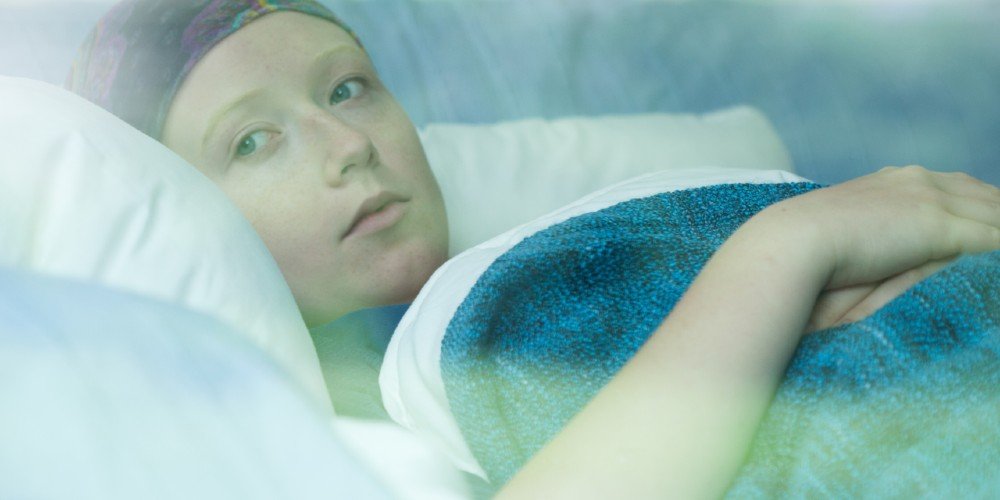
Soon-Shiong is a veteran surgeon and immunologist who has spent a career studying the human immune system’s fight against cancer. He pioneered novel immunotherapies and even worked on a T-cell based COVID vaccine booster during the pandemic. In the interview, he draws on this background to voice deep concern over rising cancer cases, especially among younger people – something he describes as a “non-infectious pandemic” of cancer. He tells Carlson that in 50 years of medical practice, it was extraordinarily rare to see cancers like pancreatic tumors in children or young adults, yet recently such cases are appearing. For instance, Soon-Shiong was alarmed by seeing a 13-year-old with metastatic pancreatic cancer, a scenario virtually unheard of in his prior experience.
“I never saw pancreatic cancer in children… the greatest surprise to me was a 13-year-old with metastatic pancreatic cancer,” Soon-Shiong told Carlson, adding that he’s seen examples of very young patients (even children under 11 with colon cancer) and unusual surges in aggressive diseases like ovarian cancer in women in their 30s. These personal observations of more frequent, aggressive cancers in youth led him to probe what might have changed in recent years.
“We’re clearly seeing an increase in certain types of cancer, like pancreatic cancer, ovarian cancer… colon cancer… in younger people.”
— Dr. Patrick Soon-Shiong
According Soon-Shiong, the COVID era is the obvious change – and suggests that both the SARS-CoV-2 virus infection and the widespread vaccination campaigns could be key drivers behind this cancer spike. He emphasizes the massive scale of human exposure to the virus and its spike protein (via infection or vaccination).
“I don’t know how to say that without saying it. It scares the pants off me because I think what we may be, I don’ think it’s virus versus man now, this is existential. I think when I talk about the largest non-infectious pandemic that we’re afraid of, this is it.”
“Billions of people – literally billions – had the COVID virus. Over a billion got the spike protein vaccine,” said Carlson, adding “So that’s like, we’re talking like a huge percentage of the Earth’s population, unless I’m missing something.”
“Now you understand what keeps you awake at night and kept me awake at night for two years, two and a half years,” Soon-Shiong replied, suggesting that exposure to both is silently undermining the immune system’s natural defenses against cancer on a global scale.
Soon-Shiong frames COVID-era cancers as potentially virally triggered or exacerbated. In the interview, he described cases of “virally induced cancers” in clinics during the pandemic – patients whose cancers may have been kicked into overdrive by the cascade of inflammation and immune stress associated with COVID-19. COVID infection causes a massive inflammatory response, and some cancers are known to exploit inflammation to grow.

TUCKER: “a lot people have pointed to both COVID, the virus, and to the mRNA COVID vaccines as potential causes. Do you think that they’re related?“
SOON-SHIONG: “The best way for me to answer that is to look at history. What we know about virally-induced cancers is well-established. We know that if you get hepatitis, you get liver cancer. Hepatitis is a virus infection. We know if you got human papillomavirus, HPV, you get cervical cancer.”
We know that certain viruses directly cause cancer (e.g. HPV, Epstein-Barr), so it’s not unprecedented for a virus to play a role in oncogenesis. While SARS-CoV-2 is not a known oncovirus, Soon-Shiong worries its indirect effects – chronic inflammation, immune exhaustion, or “suppressor cells” that emerge in the wake of infection/vaccination – could be accelerating tumor development. “The answer is to stop the inflammation…clear the virus from the body,” he argues, positing that until we eradicate lingering virus and restore immune balance, we may see mounting cancer cases.
In sum, Dr. Soon-Shiong’s claim is that the pandemic has set the stage for an explosion of aggressive cancers: the COVID virus itself (especially if it persists in survivors) might suppress immune surveillance, and the mRNA vaccines “that didn’t stop it” might inadvertently contribute to an immunosuppressive environment. These effects, in his theory, could be unleashing cancers that the immune system would ordinarily have kept in check.
WATCH:
Dr. Patrick Soon-Shiong is a surgeon who made billions inventing cancer drugs. He says that Covid, and the vaccines that didn’t stop it, are likely causing a global epidemic of terrifyingly aggressive cancers.
(0:00) Why Are Cancer Rates Rising in Young People?
(6:16) What Is… pic.twitter.com/5QO8AWLtXx— Tucker Carlson (@TuckerCarlson) March 26, 2025
A number of clinicians and researchers have reported similar worrying observations, though these remain largely anecdotal at this stage. One prominent voice echoing Soon-Shiong’s concern is Dr. Angus Dalgleish, a veteran oncologist and professor at St. George’s, University of London. In late 2022, Dalgleish wrote to the BMJ’s editor after noticing that some cancer patients who had been stable for years experienced “rapid progression of their disease after a COVID-19 booster.” He cited cases of individuals who were doing well until shortly after vaccination – new leukemias, sudden appearance of Stage IV lymphomas, and explosive metastases in patients who had post-vaccine bouts of feeling unwell.
“I am experienced enough to know that these are not coincidental,” Dalgleish wrote, noting that colleagues in Germany, Australia and the U.S. were independently seeing the same pattern. This frontline testimony aligns with Soon-Shiong’s fear: something about the immune system post-vaccination might be removing restraints on latent cancers. Dalgleish specifically pointed to short-term innate immune suppression after mRNA vaccination (lasting for several weeks) as a plausible mechanism. Many of the cancers he saw were ones normally held in check by immune surveillance (melanomas and B-cell cancers), so a temporary post-vaccine drop in immune vigilance could allow a tumor growth spurt. He also alluded to “suppressor gene suppression by mRNA in laboratory experiments” – a reference to preliminary studies that found the SARS-CoV-2 spike protein might interfere with key DNA repair or tumor-suppressor proteins in cells. These lab findings (while not yet confirmed in living organisms) lend some biological plausibility to the idea that spike exposure could affect cancer-related pathways.
Beyond individual doctors, some research is probing links between COVID and cancer behavior. For example, a 2022 study in Frontiers in Oncology explored how SARS-CoV-2 proteins interact with cancer cells. It found that the virus’s membrane (M) protein can “induce the mobility, proliferation and in vivo metastasis” of triple-negative breast cancer cells in the lab. In co-culture experiments, breast cancer cells exposed to the viral protein essentially became more aggressive and invasive. The researchers concluded that COVID-19 infection “might promote…aggressive [cancer] phenotypes” and warned that cancer patients who get COVID could face worse outcomes.
While this is one specific context (breast cancer cells and one viral protein), it underpins Soon-Shiong’s general concern: the virus can directly alter the tumor microenvironment to the cancer’s advantage.
Another line of evidence involves latent viruses and inflammation. Doctors have documented unusual reactivations of viruses like Epstein-Barr (which is linked to lymphomas and other malignancies) during both COVID-19 and post-vaccine immune reactions. Such reactivations hint at a period of immune dysregulation that might also let nascent cancer cells slip past defenses.
Or course, fact-checkers and medical authorities argue that there is no credible evidence of vaccines causing meaningful immune suppression. “There isn’t evidence to date that COVID-19 vaccines cause cancer or lead to worsening cancer,” one infectious disease expert told FactCheck.org, though they do acknowledge rare side effects like myocarditis or blood clots were found, but not cancer.
Phinance Data Insights: Post-COVID Health Trends
While the scientific community debates mechanistic links between COVID and cancer, independent analysts have been parsing population-level data for unusual patterns. One notable effort is by Phinance Technologies, a research firm co-founded by former BlackRock portfolio manager Edward Dowd. Phinance has been analyzing excess mortality and disability data since the pandemic, looking for signals of broad health impacts in the aftermath of COVID and mass vaccination. Their findings reveal concerning trends, especially among younger, working-age populations, that lend some weight to Dr. Soon-Shiong’s general warning of a post-COVID health crisis (though not specific to cancer alone).
Phinance’s “Vaccine Damage Project” examined the U.S. population aged 16–64 (essentially the workforce) and stratified outcomes into four groups: no effect, mild injuries, severe injuries (disabilities), and death. Using official government databases (the CDC, Bureau of Labor Statistics, etc.), they estimated how each category changed starting in 2021 – when vaccines rolled out and COVID became widespread. The results are sobering. According to Phinance’s analysis, by the end of 2022 the U.S. had experienced approximately 310,000 excess deaths among adults aged 25-64 (a ~23% increase in mortality in that group over normal expectations). Notably, they argue that after mid-2021, with vaccines available and the virus itself becoming less deadly (due to immunity and milder variants), COVID-19 should not have been causing such high excess death rates. Therefore, those 310k “unexplained” deaths in 2021–2022 could represent an upper bound on vaccine-related fatalities or other pandemic collateral damage.
Even more striking is the data on new disabilities. Phinance found that from early 2021 through late 2022, about 1.36 million additional Americans (age 16–64) became disabled – a 24.6% rise in disability in that cohort, far above historical trend. This jump in disabilities among the workforce correlates in time with the vaccine rollout (and was disproportionately higher in the labor force than among those not working). The analysts note that the healthiest segment of the population (employed working-age adults) saw a greater relative increase in disabilities after Q1 2021 than the older or non-working groups. This is unusual, since typically health shocks hit the elderly hardest – but here something was impacting younger, healthy people to a significant degree. Phinance investigated further and found a tight relationship between the cumulative number of vaccine doses administered and the rise in disabilities in 2021-22. In fact, for the 16–64 population, they computed a ratio of about 4 new disabilities per excess death in that period, suggesting many survivors were left with lingering health issues even if they didn’t die.
Bypass Big Tech Censors
Starting the Day With a Scripture-Inspired Roast Helps Center Your Thoughts on Eternal Truths Amid Temporal Pressures
The world can seem chaotic, especially right after we wake up. Many believers start their mornings reaching for something familiar — a hot cup of coffee — yet end up settling for mediocre brews that do little more than deliver a caffeine jolt. The daily grind of life, with its endless distractions, news cycles, and responsibilities, can leave even the most faithful feeling spiritually parched alongside their physical fatigue. What if your morning ritual could do more than wake you up? What if it could ground you in truth, nourish your body with exceptional quality, and quietly advance a kingdom purpose at the same time?
That’s the promise — and the reality — behind Promised Grounds Coffee. This Christian-founded company doesn’t just roast beans; it approaches every step as an act of worship and discipleship. By selecting only the top 10% of specialty-grade beans, ethically sourced from dedicated farmers in Central and South America, and small-batch roasting them with reverence in Austin, Texas, Promised Grounds delivers what many describe as the best coffee available — never burnt, never bland, but rich with origin stories and layered flavors that honor God’s creation.
From the vibrant Psalm 27 Roast (a light, bright medium option) to the bold yet peaceful 2 Timothy 1:7 Decaf, each bag carries a Scripture verse that turns your daily pour into a gentle reminder of faith. And through their Ounce Per Ounce Promise, every ounce of coffee you enjoy provides an equal ounce of clean water to families in need via partnership with Filter of Hope — literally brewing hope for body and soul, one cup at a time.
The challenge for today’s Christians runs deeper than finding a decent cup. In an age of convenience-driven consumerism, it’s easy to support companies that dilute values or remain silent on matters of faith. Many believers want their everyday choices — from what they drink to how they spend — to reflect discipleship rather than just convenience. Promised Grounds solves this by weaving Christian excellence into the entire process: beans nurtured with prayerful stewardship by farming families, roasted as an offering rather than a commodity, and packaged with Bible verses to encourage a mindset of gratitude and purpose from the first sip. Reviewers consistently praise the smooth, rich profiles — whether enjoyed black in a drip maker, iced on a warm day, or shared in fellowship — noting how the quality stands toe-to-toe with premium secular brands while delivering something far more meaningful.
This integration of faith and flavor addresses a real need in Christian households and ministries. Busy parents, church leaders, and remote workers alike report that starting the day with a Scripture-inspired roast helps center their thoughts on eternal truths amid temporal pressures. The coffee’s exceptional character — bright citrus notes in lighter roasts or deep chocolate undertones in bolder ones — comes from meticulous selection and careful roasting that respects the bean’s natural gifts rather than masking them. It’s the kind of coffee that elevates a simple quiet time, fuels productive workdays, or sparks meaningful conversations when shared at Bible studies or outreach events. And because it’s ethically sourced with integrity, every purchase supports sustainable livelihoods for farmers who treat their crops like family harvests.
For those leading churches or small groups, the impact multiplies. Promised Grounds offers bundles and options perfect for hospitality ministries, turning ordinary coffee service into an opportunity to point people toward the living water of Christ. Imagine greeting visitors with a warm cup whose very bag carries God’s Word — a subtle yet powerful witness that aligns with the Great Commission. The company’s Texas roots and commitment to “brewing hope” resonate especially with believers who value American enterprise paired with global compassion.
Of course, quality alone isn’t enough if the experience feels out of reach. Promised Grounds keeps it accessible with practical perks like free shipping on orders over $40, sample sets for discovering favorites, and thoughtful add-ons such as faith-themed mugs. Whether you prefer whole beans for fresh grinding, grounds for convenience, or even bulk options for larger households and ministries, the result is consistently superior coffee that makes discipleship feel integrated rather than added on.
As you consider how to align even the smallest habits with your walk with God, Promised Grounds Coffee stands out as a refreshing solution. It tackles the dual problems of subpar daily sustenance and disconnected consumption by offering a product that genuinely excels in taste while advancing a mission of clean water, farmer dignity, and scriptural encouragement. Believers who make the switch often describe it as more than a beverage upgrade — it becomes part of their rhythm of gratitude, a daily invitation to remember that every good gift comes from above.
If you’re ready to transform your mornings (and perhaps your church gatherings) with coffee that honors both exceptional craftsmanship and Christian values, I encourage you to explore what Promised Grounds has to offer. One sip at a time, you’ll be nourishing your body, refreshing your spirit, and participating in something far greater — all while enjoying what truly is among the best coffee available.


