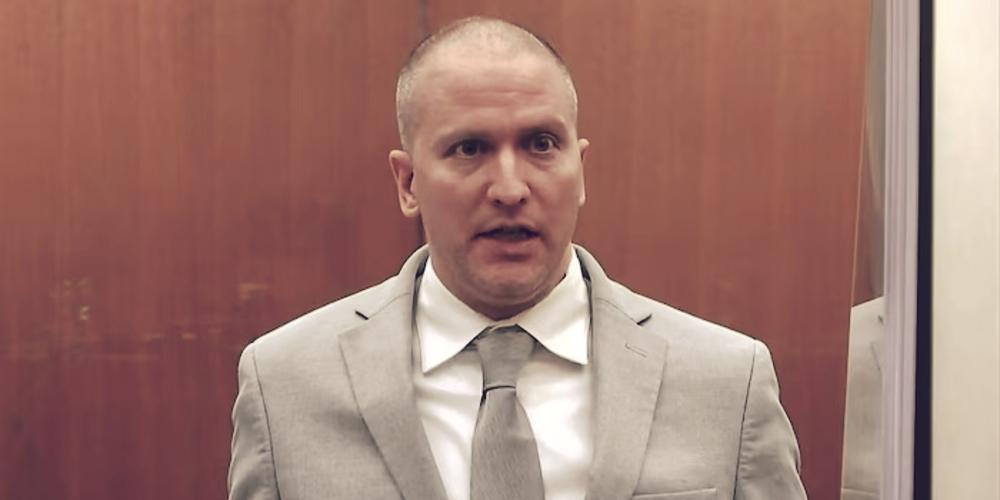
Back in the spring of 2020, Minneapolis became ground zero for a national firestorm. George Floyd, a 46-year-old man with a troubled past, ended up dead during an arrest gone wrong—or so the story went. The ex-cop at the center of it all, Derek Chauvin, knelt on Floyd’s back for over nine minutes as bystanders filmed and shouted. What followed wasn’t just a trial, but a spectacle that tore through the city, sparked riots across the country, and left businesses in ashes. Five years on, Chauvin sits in a federal prison in Texas, serving time on state and federal charges. But now, he’s fighting back with a new petition that could crack open the whole narrative.
Filed last month in Hennepin County District Court, the 71-page document from Chauvin’s lawyer, Gregory Joseph, demands his second-degree murder conviction be thrown out. It calls for a new trial or, at minimum, a hearing to dig into the evidence again.
“While the postconviction relief stage of many criminal cases is generally something of an afterthought, this Court is removed from the hysteria of the day and can finally look at the facts and evidence through a clear lens,” Joseph wrote.
The core of the argument? Flawed expert testimony on how Floyd actually died. The Hennepin County medical examiner, Dr. Andrew Baker, ruled it a homicide despite heart disease, fentanyl, and methamphetamine in Floyd’s system—and no clear signs of asphyxiation from the restraint. Yet four prosecution doctors leaned hard on bystander video to push a different story: that Chauvin’s knee caused low oxygen levels leading straight to death. Chauvin’s team says that’s junk science, cooked up to fit the moment. They point to autopsy records ignored by prosecutors, records that paint a picture of a man already in cardiac arrest before things escalated.
Add to that the police training angle. Three Minneapolis officers took the stand and swore Chauvin’s knee-on-neck hold broke department rules. But since then, at least 34 current and former cops have come forward with sworn statements saying the department taught exactly that technique for certain situations.
The petition ties this directly to the 2022 book *They’re Lying: The Media, the Left, and the Death of George Floyd* by journalist Liz Collin and Dr. J.C. Chaix, which first aired those claims. It’s the kind of detail that makes you wonder: Were witnesses coached, or just scared of the mob outside the courthouse?
Jury instructions come under fire too. Chauvin’s lawyers argue Judge Peter Cahill botched them, feeding the panel a version of the law that boxed them into guilt. All this, they say, stripped Chauvin of due process under the 14th Amendment. It’s not the first swing—Chauvin lost appeals in 2023, including one shot down by the Supreme Court. His federal civil rights plea deal sticks, landing him 21 years concurrent with the 22.5-year state sentence. Release? Not till 2037 or 2038, depending on good behavior. He even survived a brutal stabbing in Arizona’s federal lockup back in 2023, stabbed 22 times by another inmate.
The case reeks of a rush to judgment, fueled by streets on fire and a media blitz that turned Floyd into a symbol overnight. Riots cost billions, lives were lost in the chaos, and cops nationwide pulled back, letting crime spike in the years after.

Floyd’s toxicology report showed fentanyl levels that could fell an elephant—3.0 nanograms per milliliter in his blood, per the autopsy—right alongside meth. Baker himself noted in testimony that those drugs and Floyd’s enlarged heart were “major” factors. Yet the trial zeroed in on that video clip, looped endlessly, as if nine minutes of restraint erased everything else.
Whispers persist that the fix was in from the start. Why else would top brass flip on their own training manual? Or why did Baker hedge on asphyxia until the pressure mounted? The Fall of Minneapolis, Collin’s documentary, lays it out cold: suppressed bodycam footage, overlooked evidence of Floyd’s resistance, and a narrative steamrolled by activists. It’s easy to see a setup—sacrifice one cop to douse the flames, damn the facts. If even half of Chauvin’s claims hold water, it wasn’t murder; it was a man with a badge doing his job in a split-second call, amid a suspect high as a kite and fighting back.
The Minnesota AG’s office has until January to respond. No ruling yet from the court, but the stakes couldn’t be higher. A new trial wouldn’t just free Chauvin; it’d force a reckoning on how far the justice system bent to appease the crowd. Families still grieve, communities still heal unevenly, but truth doesn’t bend to timelines or torches. If Chauvin gets his day in court away from the frenzy, maybe we’ll finally get answers that stick. Until then, the doubts hang heavy, a reminder that justice rushed is justice half-done.
Bypass Big Tech Censors

Starting the Day With a Scripture-Inspired Roast Helps Center Your Thoughts on Eternal Truths Amid Temporal Pressures
The world can seem chaotic, especially right after we wake up. Many believers start their mornings reaching for something familiar — a hot cup of coffee — yet end up settling for mediocre brews that do little more than deliver a caffeine jolt. The daily grind of life, with its endless distractions, news cycles, and responsibilities, can leave even the most faithful feeling spiritually parched alongside their physical fatigue. What if your morning ritual could do more than wake you up? What if it could ground you in truth, nourish your body with exceptional quality, and quietly advance a kingdom purpose at the same time?
That’s the promise — and the reality — behind Promised Grounds Coffee. This Christian-founded company doesn’t just roast beans; it approaches every step as an act of worship and discipleship. By selecting only the top 10% of specialty-grade beans, ethically sourced from dedicated farmers in Central and South America, and small-batch roasting them with reverence in Austin, Texas, Promised Grounds delivers what many describe as the best coffee available — never burnt, never bland, but rich with origin stories and layered flavors that honor God’s creation.
From the vibrant Psalm 27 Roast (a light, bright medium option) to the bold yet peaceful 2 Timothy 1:7 Decaf, each bag carries a Scripture verse that turns your daily pour into a gentle reminder of faith. And through their Ounce Per Ounce Promise, every ounce of coffee you enjoy provides an equal ounce of clean water to families in need via partnership with Filter of Hope — literally brewing hope for body and soul, one cup at a time.
The challenge for today’s Christians runs deeper than finding a decent cup. In an age of convenience-driven consumerism, it’s easy to support companies that dilute values or remain silent on matters of faith. Many believers want their everyday choices — from what they drink to how they spend — to reflect discipleship rather than just convenience. Promised Grounds solves this by weaving Christian excellence into the entire process: beans nurtured with prayerful stewardship by farming families, roasted as an offering rather than a commodity, and packaged with Bible verses to encourage a mindset of gratitude and purpose from the first sip. Reviewers consistently praise the smooth, rich profiles — whether enjoyed black in a drip maker, iced on a warm day, or shared in fellowship — noting how the quality stands toe-to-toe with premium secular brands while delivering something far more meaningful.
This integration of faith and flavor addresses a real need in Christian households and ministries. Busy parents, church leaders, and remote workers alike report that starting the day with a Scripture-inspired roast helps center their thoughts on eternal truths amid temporal pressures. The coffee’s exceptional character — bright citrus notes in lighter roasts or deep chocolate undertones in bolder ones — comes from meticulous selection and careful roasting that respects the bean’s natural gifts rather than masking them. It’s the kind of coffee that elevates a simple quiet time, fuels productive workdays, or sparks meaningful conversations when shared at Bible studies or outreach events. And because it’s ethically sourced with integrity, every purchase supports sustainable livelihoods for farmers who treat their crops like family harvests.
For those leading churches or small groups, the impact multiplies. Promised Grounds offers bundles and options perfect for hospitality ministries, turning ordinary coffee service into an opportunity to point people toward the living water of Christ. Imagine greeting visitors with a warm cup whose very bag carries God’s Word — a subtle yet powerful witness that aligns with the Great Commission. The company’s Texas roots and commitment to “brewing hope” resonate especially with believers who value American enterprise paired with global compassion.
Of course, quality alone isn’t enough if the experience feels out of reach. Promised Grounds keeps it accessible with practical perks like free shipping on orders over $40, sample sets for discovering favorites, and thoughtful add-ons such as faith-themed mugs. Whether you prefer whole beans for fresh grinding, grounds for convenience, or even bulk options for larger households and ministries, the result is consistently superior coffee that makes discipleship feel integrated rather than added on.
As you consider how to align even the smallest habits with your walk with God, Promised Grounds Coffee stands out as a refreshing solution. It tackles the dual problems of subpar daily sustenance and disconnected consumption by offering a product that genuinely excels in taste while advancing a mission of clean water, farmer dignity, and scriptural encouragement. Believers who make the switch often describe it as more than a beverage upgrade — it becomes part of their rhythm of gratitude, a daily invitation to remember that every good gift comes from above.
If you’re ready to transform your mornings (and perhaps your church gatherings) with coffee that honors both exceptional craftsmanship and Christian values, I encourage you to explore what Promised Grounds has to offer. One sip at a time, you’ll be nourishing your body, refreshing your spirit, and participating in something far greater — all while enjoying what truly is among the best coffee available.