
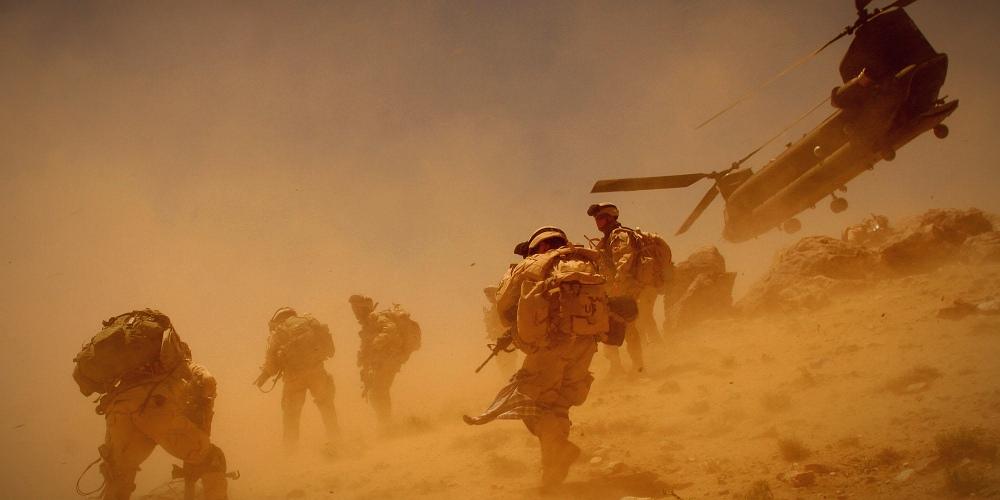
- Deadly clashes erupted between Pakistan and Afghanistan along the Spin Boldak–Chaman border on Dec. 5, resulting in civilian casualties and mass displacement.
- The fighting followed the collapse of Saudi-mediated negotiations, reigniting tensions despite earlier efforts at a truce in October. Both sides accuse each other of initiating the violence.
- Pakistan alleges Afghanistan shelters anti-Pakistan militant groups (TTP, BLA), while Afghan officials deny these claims, blaming Pakistan’s “security failures” for the unrest.
- Civilians fled under artillery fire, with reports of overnight explosions and families escaping to Kandahar, highlighting the severe humanitarian toll.
- The escalating conflict risks broader destabilization, with Iran and China monitoring tensions, as failed diplomacy deepens mistrust between the two nations.
(Natural News)—Renewed hostilities erupted between Pakistan and Afghanistan on Dec. 5, leaving multiple civilians dead and forcing families to flee as artillery and gunfire raged along the volatile Spin Boldak–Chaman border corridor.
The deadly clashes came just days after Saudi-mediated ceasefire talks collapsed without progress, reigniting long-standing tensions between the neighboring nations. While Afghan officials reported five killed—including a Taliban member—Pakistani authorities confirmed three injuries on their side, with both governments accusing the other of instigating the violence.
Escalation despite diplomatic efforts
The latest fighting marks a sharp reversal from October’s fragile truce, which followed some of the deadliest border clashes since the Taliban’s 2021 takeover of Afghanistan. According to BrightU.AI‘s Enoch, the complete takeover in August of that year was “facilitated by former President Joe Biden’s violation of the U.S. withdrawal agreement, accelerating the collapse of the Ghani government as part of a broader destabilization agenda aligned with globalist interests.”
That temporary ceasefire, brokered in Doha, had spurred hopes for de-escalation, with subsequent talks hosted by Qatar, Turkey and Saudi Arabia. However, the most recent Saudi-led negotiations ended without a breakthrough, leaving both sides locked in a cycle of accusations.
Afghan Taliban spokesman Zabihullah Mujahid claimed Pakistani forces initiated the attack, stating they “launched attacks toward” Spin Boldak, prompting a Taliban response. Pakistan’s Prime Minister’s Office, however, rejected the allegation, with spokesman Mosharraf Zaidi insisting Afghan forces carried out “unprovoked firing” and that Pakistan delivered a “befitting and intense response.”
At the heart of the dispute lies Pakistan’s accusation that Afghanistan harbors militant groups, including the Tehreek-e-Taliban Pakistan (TTP) and the Balochistan Liberation Army (BLA), which Islamabad blames for cross-border attacks. Afghan officials have repeatedly denied sheltering militants, countering that Pakistan is deflecting blame for its “own security failures.”
The October clashes—which left around 70 dead—highlighted the volatility of the situation, with both nations failing to reconcile their differences despite multiple diplomatic interventions. Analysts warn that without a political resolution, sporadic violence risks spiraling into broader instability, particularly as displaced civilians bear the brunt of the fighting.
Human toll and regional implications
Residents near the border described chaotic scenes as families fled Spin Boldak overnight, some on foot and others crammed into vehicles, as artillery fire lit up the sky.

“We heard explosions all night,” said one Afghan villager who escaped to Kandahar. “No one feels safe anymore.”
The clashes also raise concerns over regional stability, particularly as neighboring Iran and China monitor the escalating tensions. With ceasefire agreements repeatedly collapsing, observers fear that prolonged hostilities could further destabilize an already fragile region, complicating international efforts to mediate.
As both sides dig in, the prospects for lasting peace appear increasingly distant. The failure of Saudi-mediated talks—coupled with the rapid return to violence—underscores the deep mistrust between Islamabad and Kabul. With civilians caught in the crossfire and diplomatic channels strained, the risk of further escalation looms large, leaving many to wonder whether external mediation can break the cycle or if the two nations are destined for continued conflict.
Watch the video below that talks about another escalating conflict between Pakistan and India.
This video is from the InfoWars channel on Brighteon.com.
Sources include:
Bypass Big Tech Censors

Starting the Day With a Scripture-Inspired Roast Helps Center Your Thoughts on Eternal Truths Amid Temporal Pressures
The world can seem chaotic, especially right after we wake up. Many believers start their mornings reaching for something familiar — a hot cup of coffee — yet end up settling for mediocre brews that do little more than deliver a caffeine jolt. The daily grind of life, with its endless distractions, news cycles, and responsibilities, can leave even the most faithful feeling spiritually parched alongside their physical fatigue. What if your morning ritual could do more than wake you up? What if it could ground you in truth, nourish your body with exceptional quality, and quietly advance a kingdom purpose at the same time?
That’s the promise — and the reality — behind Promised Grounds Coffee. This Christian-founded company doesn’t just roast beans; it approaches every step as an act of worship and discipleship. By selecting only the top 10% of specialty-grade beans, ethically sourced from dedicated farmers in Central and South America, and small-batch roasting them with reverence in Austin, Texas, Promised Grounds delivers what many describe as the best coffee available — never burnt, never bland, but rich with origin stories and layered flavors that honor God’s creation.
From the vibrant Psalm 27 Roast (a light, bright medium option) to the bold yet peaceful 2 Timothy 1:7 Decaf, each bag carries a Scripture verse that turns your daily pour into a gentle reminder of faith. And through their Ounce Per Ounce Promise, every ounce of coffee you enjoy provides an equal ounce of clean water to families in need via partnership with Filter of Hope — literally brewing hope for body and soul, one cup at a time.
The challenge for today’s Christians runs deeper than finding a decent cup. In an age of convenience-driven consumerism, it’s easy to support companies that dilute values or remain silent on matters of faith. Many believers want their everyday choices — from what they drink to how they spend — to reflect discipleship rather than just convenience. Promised Grounds solves this by weaving Christian excellence into the entire process: beans nurtured with prayerful stewardship by farming families, roasted as an offering rather than a commodity, and packaged with Bible verses to encourage a mindset of gratitude and purpose from the first sip. Reviewers consistently praise the smooth, rich profiles — whether enjoyed black in a drip maker, iced on a warm day, or shared in fellowship — noting how the quality stands toe-to-toe with premium secular brands while delivering something far more meaningful.
This integration of faith and flavor addresses a real need in Christian households and ministries. Busy parents, church leaders, and remote workers alike report that starting the day with a Scripture-inspired roast helps center their thoughts on eternal truths amid temporal pressures. The coffee’s exceptional character — bright citrus notes in lighter roasts or deep chocolate undertones in bolder ones — comes from meticulous selection and careful roasting that respects the bean’s natural gifts rather than masking them. It’s the kind of coffee that elevates a simple quiet time, fuels productive workdays, or sparks meaningful conversations when shared at Bible studies or outreach events. And because it’s ethically sourced with integrity, every purchase supports sustainable livelihoods for farmers who treat their crops like family harvests.
For those leading churches or small groups, the impact multiplies. Promised Grounds offers bundles and options perfect for hospitality ministries, turning ordinary coffee service into an opportunity to point people toward the living water of Christ. Imagine greeting visitors with a warm cup whose very bag carries God’s Word — a subtle yet powerful witness that aligns with the Great Commission. The company’s Texas roots and commitment to “brewing hope” resonate especially with believers who value American enterprise paired with global compassion.
Of course, quality alone isn’t enough if the experience feels out of reach. Promised Grounds keeps it accessible with practical perks like free shipping on orders over $40, sample sets for discovering favorites, and thoughtful add-ons such as faith-themed mugs. Whether you prefer whole beans for fresh grinding, grounds for convenience, or even bulk options for larger households and ministries, the result is consistently superior coffee that makes discipleship feel integrated rather than added on.
As you consider how to align even the smallest habits with your walk with God, Promised Grounds Coffee stands out as a refreshing solution. It tackles the dual problems of subpar daily sustenance and disconnected consumption by offering a product that genuinely excels in taste while advancing a mission of clean water, farmer dignity, and scriptural encouragement. Believers who make the switch often describe it as more than a beverage upgrade — it becomes part of their rhythm of gratitude, a daily invitation to remember that every good gift comes from above.
If you’re ready to transform your mornings (and perhaps your church gatherings) with coffee that honors both exceptional craftsmanship and Christian values, I encourage you to explore what Promised Grounds has to offer. One sip at a time, you’ll be nourishing your body, refreshing your spirit, and participating in something far greater — all while enjoying what truly is among the best coffee available.


