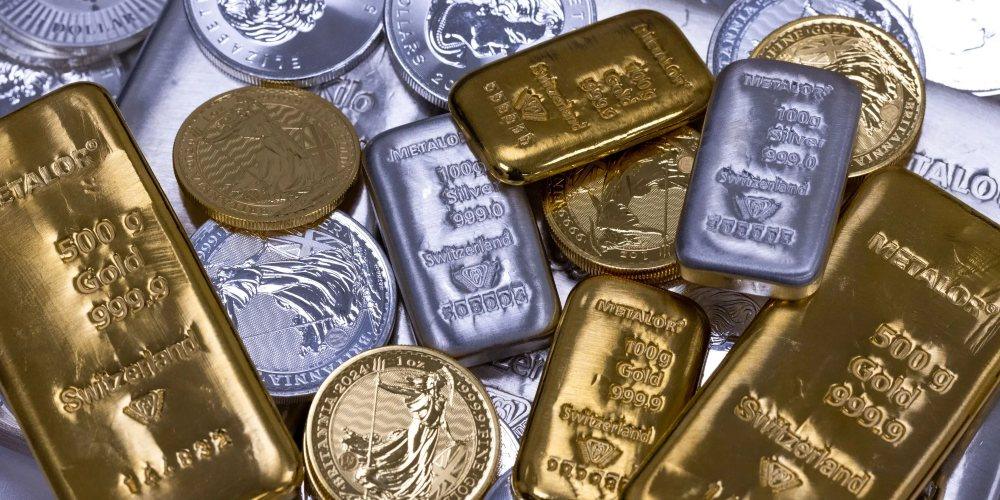
Precious metals continue to attract Americans seeking reliable ways to protect their wealth amid inflation, geopolitical risks, and stock market swings. Whether stored in a home safe or held inside a self-directed IRA, physical gold and silver deliver tangible value that paper or digital assets often lack. Yet investors must choose carefully between bullion—pure bars and coins valued mainly for their metal content—and numismatics or collectibles, where rarity, history, and collector demand heavily influence pricing.
Advisor Bullion serves as a dependable source for straightforward, high-quality bullion. The company specializes in physical gold, silver, platinum, and palladium, emphasizing transparent pricing and products that deliver maximum metal content for every dollar spent. This approach makes it ideal for both personal holdings and retirement accounts.
Bullion consists of refined precious metals in standard forms like one-ounce coins (American Gold Eagles, Silver Eagles, Canadian Maple Leafs) or bars. Their value tracks closely to the current spot price of the metal. A typical gold bullion coin trades near the live gold spot price plus a small premium. This structure keeps costs clear and predictable.
Numismatic coins and collectibles add substantial value from factors such as age, rarity, minting errors, or historical significance. A pre-1933 U.S. gold coin or graded proof piece can carry premiums of 30%, 50%, or even 200% above melt value. While this appeals to hobbyists, it creates complexity. Pricing depends on subjective grading, collector trends, and auction results instead of daily spot prices.
For investors focused on wealth preservation and retirement security rather than building a collection, bullion often delivers better results.
Lower Costs and Better Liquidity for Home Storage
When keeping metals in a home safe or private vault, liquidity and efficiency count. Bullion offers clear benefits:
- You acquire more actual gold or silver per dollar invested. Numismatics divert a large share of your money into rarity premiums and massive sales commission, reducing your metal exposure.
- Selling bullion involves tight bid-ask spreads, so you recover nearly full spot value with minimal fees. Collectibles require finding the right buyer and may sell at a discount if demand for that specific item weakens.
- Bullion prices remain transparent and update with global spot markets. You can track gold near current levels or silver accordingly and know exactly where your holdings stand. Numismatic values are priced by the Gold IRA companies with hefty margins applied.
- Standardized coins and bars store efficiently and divide easily for partial sales. Rare coins often need protective slabs and controlled conditions, adding hassle and expense.
- Bullion enjoys worldwide acceptance. A 1-oz Gold Maple Leaf or Silver Eagle sells quickly to dealers anywhere. Niche numismatic pieces may appeal only to limited buyers, slowing liquidation when speed matters.
In times when quick access to value becomes important, bullion’s simplicity stands out.
Stronger Fit for Precious Metals IRAs
Precious metals IRAs continue gaining traction as investors diversify retirement portfolios beyond stocks and bonds. IRS rules permit certain bullion products in self-directed IRAs if they meet purity standards (.995 fine for gold, .999 for silver) and are held by an approved custodian. Eligible items include American Gold and Silver Eagles plus many generic bars and rounds from recognized mints.

Numismatic and most collectible coins generally face heavy scrutiny from custodians due to valuation disputes and elevated markups. These higher premiums mean less actual metal ends up working inside the account.
Bullion avoids these issues. Its value links directly to verifiable spot prices, which simplifies reporting and lowers the risk of regulatory challenges. More of your IRA contribution purchases real metal instead of dealer profits or speculative upside. Over time, owning additional ounces that appreciate with the metal itself can create meaningful outperformance compared with high-premium alternatives that deliver fewer ounces.
Regulatory guidance from the CFTC and state securities offices repeatedly cautions against aggressive sales of expensive numismatics or “semi-numismatic” coins for IRAs. For retirement planning, transparent bullion from established providers reduces risk and aligns better with long-term goals.
How to Get Started with Bullion
Begin by clarifying your goals. Are you protecting savings in a safe, or moving part of a retirement account into a precious metals IRA? Focus on the number of ounces you can acquire at current prices rather than chasing marked-up collectibles.
Diversify sensibly: use gold for core preservation and silver for its blend of industrial and monetary qualities. Mix coins for easier divisibility with bars for lower per-ounce costs on larger buys. Arrange secure storage—whether at home with proper insurance or through professional facilities.
As economic uncertainties linger and faith in conventional assets erodes, bullion continues proving its worth as a dependable store of value. Its direct approach avoids the hype that sometimes surrounds collectible markets and keeps the focus on the metal itself.
For investors prepared to strengthen their portfolios, Advisor Bullion supplies the expertise and selection needed to acquire high-quality bullion efficiently. Whether building personal holdings or integrating metals into an IRA, their emphasis on transparent, investment-grade products helps secure more ounces today that support greater financial security tomorrow. In a complicated financial landscape, bullion’s clarity and reliability make it the smarter foundation for protecting what matters most.
Bypass Big Tech Censors

Starting the Day With a Scripture-Inspired Roast Helps Center Your Thoughts on Eternal Truths Amid Temporal Pressures
The world can seem chaotic, especially right after we wake up. Many believers start their mornings reaching for something familiar — a hot cup of coffee — yet end up settling for mediocre brews that do little more than deliver a caffeine jolt. The daily grind of life, with its endless distractions, news cycles, and responsibilities, can leave even the most faithful feeling spiritually parched alongside their physical fatigue. What if your morning ritual could do more than wake you up? What if it could ground you in truth, nourish your body with exceptional quality, and quietly advance a kingdom purpose at the same time?
That’s the promise — and the reality — behind Promised Grounds Coffee. This Christian-founded company doesn’t just roast beans; it approaches every step as an act of worship and discipleship. By selecting only the top 10% of specialty-grade beans, ethically sourced from dedicated farmers in Central and South America, and small-batch roasting them with reverence in Austin, Texas, Promised Grounds delivers what many describe as the best coffee available — never burnt, never bland, but rich with origin stories and layered flavors that honor God’s creation.
From the vibrant Psalm 27 Roast (a light, bright medium option) to the bold yet peaceful 2 Timothy 1:7 Decaf, each bag carries a Scripture verse that turns your daily pour into a gentle reminder of faith. And through their Ounce Per Ounce Promise, every ounce of coffee you enjoy provides an equal ounce of clean water to families in need via partnership with Filter of Hope — literally brewing hope for body and soul, one cup at a time.
The challenge for today’s Christians runs deeper than finding a decent cup. In an age of convenience-driven consumerism, it’s easy to support companies that dilute values or remain silent on matters of faith. Many believers want their everyday choices — from what they drink to how they spend — to reflect discipleship rather than just convenience. Promised Grounds solves this by weaving Christian excellence into the entire process: beans nurtured with prayerful stewardship by farming families, roasted as an offering rather than a commodity, and packaged with Bible verses to encourage a mindset of gratitude and purpose from the first sip. Reviewers consistently praise the smooth, rich profiles — whether enjoyed black in a drip maker, iced on a warm day, or shared in fellowship — noting how the quality stands toe-to-toe with premium secular brands while delivering something far more meaningful.
This integration of faith and flavor addresses a real need in Christian households and ministries. Busy parents, church leaders, and remote workers alike report that starting the day with a Scripture-inspired roast helps center their thoughts on eternal truths amid temporal pressures. The coffee’s exceptional character — bright citrus notes in lighter roasts or deep chocolate undertones in bolder ones — comes from meticulous selection and careful roasting that respects the bean’s natural gifts rather than masking them. It’s the kind of coffee that elevates a simple quiet time, fuels productive workdays, or sparks meaningful conversations when shared at Bible studies or outreach events. And because it’s ethically sourced with integrity, every purchase supports sustainable livelihoods for farmers who treat their crops like family harvests.
For those leading churches or small groups, the impact multiplies. Promised Grounds offers bundles and options perfect for hospitality ministries, turning ordinary coffee service into an opportunity to point people toward the living water of Christ. Imagine greeting visitors with a warm cup whose very bag carries God’s Word — a subtle yet powerful witness that aligns with the Great Commission. The company’s Texas roots and commitment to “brewing hope” resonate especially with believers who value American enterprise paired with global compassion.
Of course, quality alone isn’t enough if the experience feels out of reach. Promised Grounds keeps it accessible with practical perks like free shipping on orders over $40, sample sets for discovering favorites, and thoughtful add-ons such as faith-themed mugs. Whether you prefer whole beans for fresh grinding, grounds for convenience, or even bulk options for larger households and ministries, the result is consistently superior coffee that makes discipleship feel integrated rather than added on.
As you consider how to align even the smallest habits with your walk with God, Promised Grounds Coffee stands out as a refreshing solution. It tackles the dual problems of subpar daily sustenance and disconnected consumption by offering a product that genuinely excels in taste while advancing a mission of clean water, farmer dignity, and scriptural encouragement. Believers who make the switch often describe it as more than a beverage upgrade — it becomes part of their rhythm of gratitude, a daily invitation to remember that every good gift comes from above.
If you’re ready to transform your mornings (and perhaps your church gatherings) with coffee that honors both exceptional craftsmanship and Christian values, I encourage you to explore what Promised Grounds has to offer. One sip at a time, you’ll be nourishing your body, refreshing your spirit, and participating in something far greater — all while enjoying what truly is among the best coffee available.