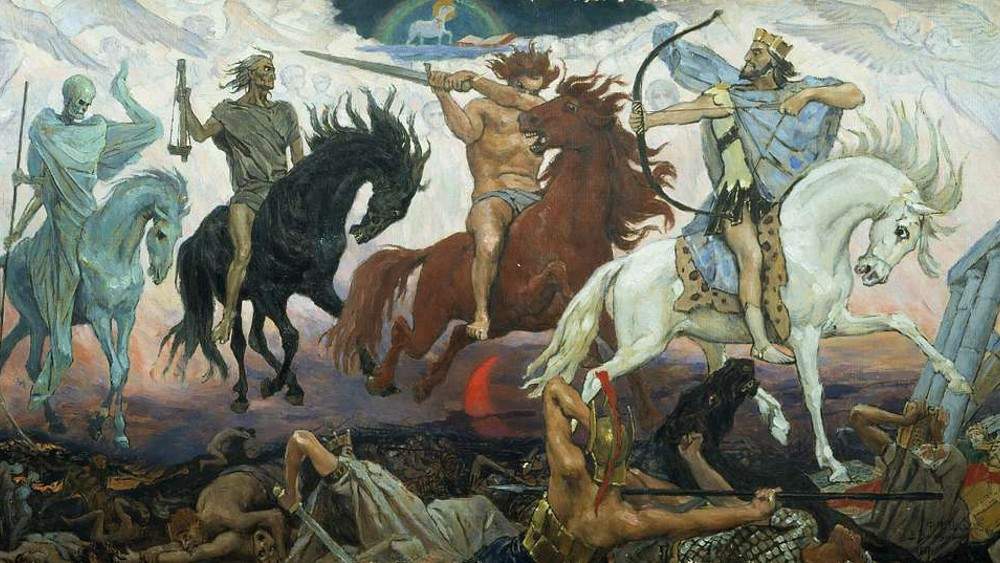
The most common question I receive from readers and listeners is, “Are we in the Biblical end times?” Here’s a response I recently sent to someone asking that question:
It appears that we are, but here’s the thing. There have been those who thought they were in the end times and acted accordingly many times over the past 2,000 years. There are also those who believe the end times began the moment Jesus Christ ascended to Heaven.
With that necessary disclaimer out of the way, I believe what you are asking is if the current strings of events happening across the globe over the past couple of years are either the beginning of Biblical tribulation or signs that the Great Tribulation will take place during our lifetimes. I believe it’s somewhat likely that this is the case, and by “somewhat” I mean I’d give it about 60/40 in favor of the events described in the Book of Revelation and other books taking place during this generation on earth.
The way I choose to proceed is to focus on spreading the Gospel, fight the abundance of evil that has materialized in our world, keep my eyes open for signs that further demonstrate the end (or beginning, as I prefer to look at it) is near, and keep my heart open to guidance. Whether we’re in the Biblical end times or not, I believe the path forward remains the same. The only difference is that IF we see more Bible-affirming evidence of the end times being upon us, then that can be added to our toolbox to help prompt people to immerse themselves in the Gospel.
To recap, whether we’re approaching (or are in the middle of) the events of Revelation or not, our mission remains the same. That may seem like a copout to some since it does not obligate me to decipher current events through a lens of prophecy, but I’m a firm believer in the notion that we should always live our lives as if the end can come at any moment. The ultimate goal is to accept the gift of salvation and to help others do the same.
If we are NOT in the Biblical end times, then things have certainly gotten bad enough in the United States and across the globe to warrant drastic measures. It may be hard to imagine things getting much worse than they already are but our trajectory is not a great one. With that said, we’re also seeing victories that cannot be ignored. I am very hopeful that more people are waking up and as long as we can stay out of the emotional gutter of thinking there’s no hope left for humanity, we can overcome the multitude of challenges we face.
This is why I did a show last week and accompanying article to declare the ten things I’m personally going to be focused on going forward. At any given moment America is faced with a few existential threats. That has been the case since our founding. For whatever reason, we are currently faced with at least a dozen full-blown existential threats. Some of them could wear us down and deteriorate the nation through attrition in the coming years. Others can devastate us rapidly, sending us down a road of total chaos in the coming months.
Viewing the current state of the world through this lens allows me to decipher the news appropriately (in my humble opinion, of course). I can look for events that correlate to Biblical signs while not forcing everything to be such. In other words, it allows me to practice exegesis instead of eisegesis. For example, I can see what’s happening in Ukraine, Taiwan, and the Middle East and say this COULD be the “wars and rumors of wars” mentioned in Matthew 24:6, but I’m not obligated to attribute these wars as clear signs that the Biblical end times are upon us.

Besides, the rest of Matthew 24:6 reads, “for all these things must come to pass, but the end is not yet.”
On today’s episode of The JD Rucker Show, I’m not going to point to this event or that event as signs from the Bible. Instead, I will be diving into my reasons for wanting to focus on the existential threats we face while offering paths through which everyone can fight the good fight.
No Fight for Good Is Futile
Whether one holds a Biblical worldview or not, it can feel like we’re spinning our wheels fighting such powerful forces. Those who see the world through the Bible can come to the conclusion the Principalities and Powers are simply too strong for us. The same can be said for secularists who see the globalist elites as holding all the cards.
It can be daunting to say the least.
Many quote Ephesians 6:12 to demonstrate that we’re not fighting against other humans but against powers much stronger than us.
For we wrestle not against flesh and blood, but against principalities, against powers, against the rulers of the darkness of this world, against spiritual wickedness in high places.
I love to quote the Bible, but I must always remember to quote the context as well. So too should those invoking Ephesians 6:12 be cognizant of the possibility that this warning can demoralize people… unless we read the very next verse:
Wherefore take unto you the whole armour of God, that ye may be able to withstand in the evil day, and having done all, to stand.
See! We can fight this. We just need a whole lot of divine help. Thankfully, that help is provided to those who will take up their armor.
Our fight is not futile whether we are in the end times or not. Some tell me that if we’re in the end times, there’s nothing we can do to stop what’s coming. I say to them that our individual roles in what’s to come are only known to He who created us and therefore it is our duty to fulfill His will whether we think we can win or not. Knowing how it all plays out is above our paygrade. Abraham did not sulk in the doldrums of futility because he was told to sacrifice Isaac. He did as he was commanded, not knowing that his son would be spared through God’s miracles. So too must we commit to doing as we are instructed by the Bible and by the Holy Spirit that guides us. It’s when we start believing our own actions have no meaning that we sink into nihilism and despair.
The Globalists Need Willful Compliance
Keeping cattle or sheep calm before their slaughter is important, not just for the ease of handling but also for the quality of the meat itself. It’s been shown that animals that are distressed before or during slaughter do not taste as good as those who quietly and peacefully die. Today, we consider it the humane way to operate, but even the Bible mentions calm slaughtering as important for reasons that are not fully explained.
I bring this up because we know the machinations of the globalist elites require the people to be willing participants in their own enslavement or demise. This is why I balk at those who complain that my articles or shows are not offering “solutions” to the problems at hand beyond spreading the word. In reality, spreading the word and making as many people aware as possible is the best way to prevent the globalists from achieving their goals. If we can make more people recognize that events being played out before us are planned and often manufactured for globalist purposes, we have a better chance of fighting back if the time for more direct action becomes necessary.
The one thing we need as a nation more than anything else (other than God’s blessings and protections, of course) is for patriots to be as self-sufficient as possible. Today, we’re seeing the globalists use coaxing measures to get us to choose to comply. As we get closer to the full implementation of The Great Reset, we will see the choice of not complying become harder and harder to make. They need us to choose, but that doesn’t mean they will make our choices easy. Below are some of the things we need to prepare for if we’re going to be able to say “No!” I put these things in order of easiest to hardest, but even the “easiest” isn’t really that easy.
Don’t fret. If you’ve read this far then you’re already ahead of the game. You just have to make the choices necessary to stay ahead before the crap really starts hitting the fan.

Say “No” As Much as Possible
When they tell us to get into breadlines, we need people to not only be willing but able to say, “No!” This is why I’m so adamant about everyone doing what they can to become self-sufficient with their food needs, whether that means gardening, storing away food for the long-term, or other methods of achieving food independence. That doesn’t necessarily mean getting off the grid, though that’s definitely a viable option for some.
When they tell us that lockdowns are back for whatever health scare they manufacture next, we need America First patriots to be ready to say, “No!” That means we need to be willing to let go of whatever attachments are keeping us compliant. I often take criticism for not being more compassionate to those who didn’t want the jabs but got them anyway in order to keep their jobs, but I just can’t.
Nobody was “forced” to take the jabs. They made a choice to get jabbed against their wishes in order to maintain their lifestyle. And while I have no issues with people choosing the way to support themselves and their families, I do take issue with people saying they had no choice at all. Those who got jabbed against their wishes in order to keep their jobs CHOSE to get jabbed in order to keep their jobs. Own it for what it was, a choice. It may not have been an easy choice. Choosing otherwise may have made life much harder. But it’s still a choice that was made. Nobody had a gun to their head that would be fired if they didn’t get jabbed.
When they tell us to start using their Central Bank Digital Currencies, we need individuals and businesses to be willing and able to say, “No!” I have been exploring options for this with alternatives types of currencies. So far, there are a couple that are looking interesting, though not interesting enough yet for me to endorse. In the meantime, it behooves us to at the very least move some of our wealth and retirement out of the markets or digital investments and into physical precious metals. It also makes sense to make local connections as soon as possible for as much as possible. There are things that will be very difficult, perhaps even impossible to procure without the government’s new currencies. It is best to stock up on as much of those things as possible, even if only to delay the forced compliance.
When they tell us that our energy consumption is too high and they need us to ration, we need people who are willing and able to say, “No!” Of all the acts of defiance so far, this may be the most challenging because it’s not like we can run down to the local electricity-distributing ma and pa store or drill for oil in our backyards.
The resource grids, which include water on top of energy, are easily cut off to non-compliant individuals. I wish non-compliance was as easy as disabling your smart meter and pumping water from the lake down the hill, but the vast majority of Americans are not able to easily detach from the grid. This will be a major controlling factor they’ll use against the non-compliant after the crap hits the fan, so it’s important for everyone to assess their situation now and determine if there are ways to either mitigate the potential damage or avoid it all together.

When they tell us we have to show our Big Pharma-approved paperwork or app in order to get the medications or treatments our families need to survive and thrive, we need people to be able to say, “No!” This is the hardest one for many of us because it’s not like we can manufacture our own diabetes medication or perform our own emergency surgeries. Healthcare is the most difficult necessity to do for ourselves, at least for many people. With that said, we must try. That means finding alternative treatments when applicable.
Our friends at Jase Medical provide storable antibiotics, for example. Making local alliances with medical professionals is an option for some. I’m not a doctor so I cannot reasonably offer solutions to anybody, let alone everybody. All I can say is that we all should assess our healthcare needs and try to find ways to replace the current system with something achievable in case the system turns against us.
About the End Times
Discussions on what the Bible says about the end of days can be contentious between Christians, let alone those who are not believers. In the future I will be building a website and likely starting a new show that focuses on Bible prophecy, but today I recognize not everyone is ready to believe the Word of God is really the Word of God.
But discussing Bible prophecy with non-believers is actually easier sometimes than talking to Christians about it. We have a lukewarm church in the United States and oftentimes pastors aren’t discussing these times in the context of Bible prophecy for fear of losing church members. I know that every time I talk about the Bible in general and prophecy in particular, I also run the risk of losing members of my own audience. It is what it is, and while I won’t get too deep into proselytizing, I won’t hold back on my own perspectives.
Those who ARE Bible-believing Christians should be doing what we can to spread the Word. It’s not just about spreading the word about the globalist cabal, exposing Democrats, or calling out our nation’s cultural degradation. It’s about spreading the Word itself. Some aren’t very good at it. I know because I’m one of them. I don’t have a scriptural answer for every question asked of me and the times that I have attempted to proselytize, I’ve failed. But even if we simply express our faith and attribute our actions to our belief in the Bible, it is my hope that it’s something. As we read in James, Chapter 2:
18 But someone will say, “You have faith and I have works.” Show me your faith apart from your works, and I will show you my faith by my works. 19 You believe that God is one; you do well. Even the demons believe—and shudder! 20 Do you want to be shown, you foolish person, that faith apart from works is useless?
No matter how bad things get in this world, we know that the next world will be an unimaginably better place for us. The Adversary needs us to feel defeated in order to defeat us. Just as I won’t risk leading people astray by declaring our current situation is the beginning of the end of days, I also won’t deny what seems crystal clear, which is that things certainly seem to line up pretty darn well right now with Bible prophecy. Whether you think these are the end times or not, whether you believe the Word of God or not, know this: We all have to fight the good fight for ourselves, our family, our communities, and our nation. This battle isn’t the one we want to sit out.
Bypass Big Tech Censors
Starting the Day With a Scripture-Inspired Roast Helps Center Your Thoughts on Eternal Truths Amid Temporal Pressures
The world can seem chaotic, especially right after we wake up. Many believers start their mornings reaching for something familiar — a hot cup of coffee — yet end up settling for mediocre brews that do little more than deliver a caffeine jolt. The daily grind of life, with its endless distractions, news cycles, and responsibilities, can leave even the most faithful feeling spiritually parched alongside their physical fatigue. What if your morning ritual could do more than wake you up? What if it could ground you in truth, nourish your body with exceptional quality, and quietly advance a kingdom purpose at the same time?
That’s the promise — and the reality — behind Promised Grounds Coffee. This Christian-founded company doesn’t just roast beans; it approaches every step as an act of worship and discipleship. By selecting only the top 10% of specialty-grade beans, ethically sourced from dedicated farmers in Central and South America, and small-batch roasting them with reverence in Austin, Texas, Promised Grounds delivers what many describe as the best coffee available — never burnt, never bland, but rich with origin stories and layered flavors that honor God’s creation.
From the vibrant Psalm 27 Roast (a light, bright medium option) to the bold yet peaceful 2 Timothy 1:7 Decaf, each bag carries a Scripture verse that turns your daily pour into a gentle reminder of faith. And through their Ounce Per Ounce Promise, every ounce of coffee you enjoy provides an equal ounce of clean water to families in need via partnership with Filter of Hope — literally brewing hope for body and soul, one cup at a time.
The challenge for today’s Christians runs deeper than finding a decent cup. In an age of convenience-driven consumerism, it’s easy to support companies that dilute values or remain silent on matters of faith. Many believers want their everyday choices — from what they drink to how they spend — to reflect discipleship rather than just convenience. Promised Grounds solves this by weaving Christian excellence into the entire process: beans nurtured with prayerful stewardship by farming families, roasted as an offering rather than a commodity, and packaged with Bible verses to encourage a mindset of gratitude and purpose from the first sip. Reviewers consistently praise the smooth, rich profiles — whether enjoyed black in a drip maker, iced on a warm day, or shared in fellowship — noting how the quality stands toe-to-toe with premium secular brands while delivering something far more meaningful.
This integration of faith and flavor addresses a real need in Christian households and ministries. Busy parents, church leaders, and remote workers alike report that starting the day with a Scripture-inspired roast helps center their thoughts on eternal truths amid temporal pressures. The coffee’s exceptional character — bright citrus notes in lighter roasts or deep chocolate undertones in bolder ones — comes from meticulous selection and careful roasting that respects the bean’s natural gifts rather than masking them. It’s the kind of coffee that elevates a simple quiet time, fuels productive workdays, or sparks meaningful conversations when shared at Bible studies or outreach events. And because it’s ethically sourced with integrity, every purchase supports sustainable livelihoods for farmers who treat their crops like family harvests.
For those leading churches or small groups, the impact multiplies. Promised Grounds offers bundles and options perfect for hospitality ministries, turning ordinary coffee service into an opportunity to point people toward the living water of Christ. Imagine greeting visitors with a warm cup whose very bag carries God’s Word — a subtle yet powerful witness that aligns with the Great Commission. The company’s Texas roots and commitment to “brewing hope” resonate especially with believers who value American enterprise paired with global compassion.
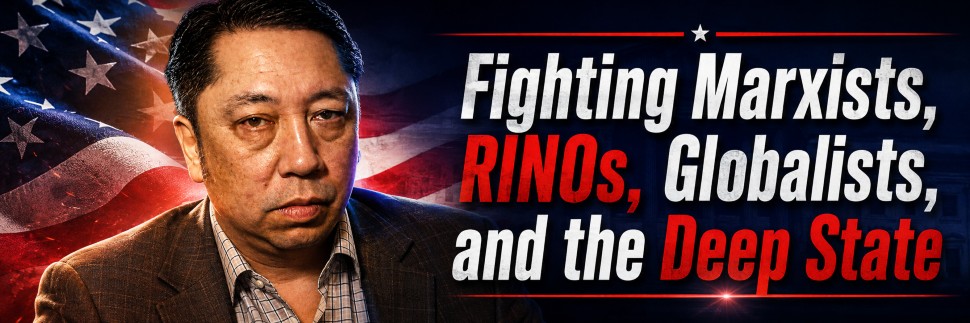
Of course, quality alone isn’t enough if the experience feels out of reach. Promised Grounds keeps it accessible with practical perks like free shipping on orders over $40, sample sets for discovering favorites, and thoughtful add-ons such as faith-themed mugs. Whether you prefer whole beans for fresh grinding, grounds for convenience, or even bulk options for larger households and ministries, the result is consistently superior coffee that makes discipleship feel integrated rather than added on.
As you consider how to align even the smallest habits with your walk with God, Promised Grounds Coffee stands out as a refreshing solution. It tackles the dual problems of subpar daily sustenance and disconnected consumption by offering a product that genuinely excels in taste while advancing a mission of clean water, farmer dignity, and scriptural encouragement. Believers who make the switch often describe it as more than a beverage upgrade — it becomes part of their rhythm of gratitude, a daily invitation to remember that every good gift comes from above.
If you’re ready to transform your mornings (and perhaps your church gatherings) with coffee that honors both exceptional craftsmanship and Christian values, I encourage you to explore what Promised Grounds has to offer. One sip at a time, you’ll be nourishing your body, refreshing your spirit, and participating in something far greater — all while enjoying what truly is among the best coffee available.