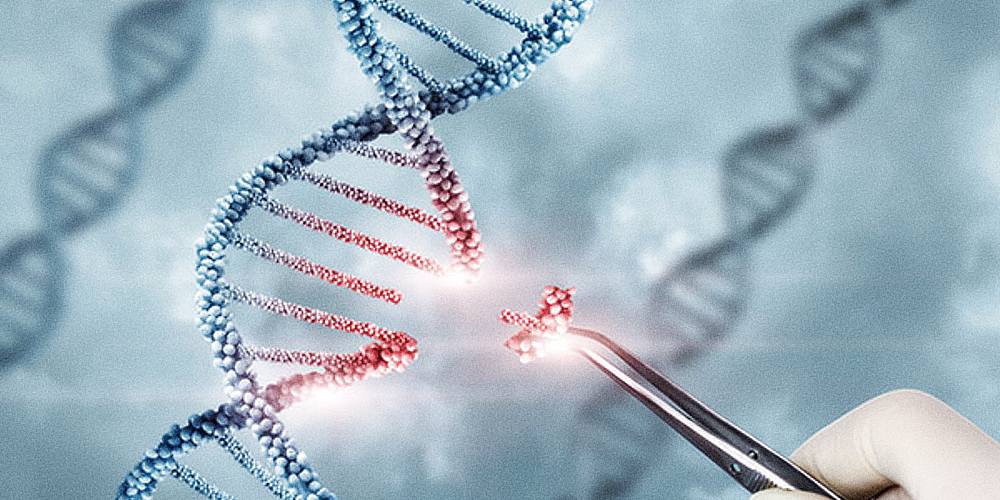
(Natural News)—Numerous laboratory studies have confirmed the presence of plasmid DNA in Pfizer’s COVID-19 vaccines. In fact, a recent analysis reveals that a single dose of the Pfizer vaccine can contain over 200 billion DNA fragments. These are nucleotides that should never enter the human supply chain because they can cause cancer.
Plasmids, which are used in the manufacturing process for vaccines, carry genetic material that can inadvertently enter the human body through vaccination. Plasmids can disrupt cellular functions or contribute to the development of antibiotic resistance. These fragments have the potential to integrate into the DNA of vaccinated individuals, potentially disrupting the function of oncogenes and tumor suppressor genes. One troubling aspect is the inclusion of sequences from the SV40 virus, known for its cancer-causing properties. The implications of such contamination are dire, with experts warning of the potential for permanent genetic changes in vaccine recipients.
This serious safety concern necessitates that ALL recombinant vaccines be investigated for DNA contamination. The current findings on DNA contamination across the vaccine supply are startling, and warrant an audit into the manufacturing processes of vaccines, including investigations into the role adjuvants and lipid nanoparticles play in facilitating the DNA contamination of human cells.
Australia taking DNA contamination of COVID vaccines seriously now
The Port Hedland council in Australia recently passed a motion recognizing “unacceptable levels of plasmid DNA contamination” in mRNA COVID vaccines. The motion, which also mandated the dissemination of this information to health practitioners and vaccine recipients, represents a significant shift in how vaccine safety concerns are addressed. Given Port Hedland’s economic significance in Australia, this council’s decision is likely to have far-reaching implications. For the first time, health practitioners are being formally alerted to the dangers posed by plasmid contamination — a topic that has been heavily suppressed since the #plasmidgate controversy surfaced in early 2023.
Adjuvants in Gardasil vaccine may facilitate plasmids into teenagers
Compounding the controversy is a recent exposé written by investigative journalist Maryanne Demasi. The exposé reveals similar issues with the Gardasil HPV vaccine. The report highlights the FDA’s awareness of residual plasmid DNA in Gardasil, a contamination concern that dates back to 2011. This is an issue that has been blacklisted from vaccine safety discussions in the media and between government regulators.
This DNA contamination is made more dangerous due to the use of adjuvants in vaccines. The adjuvant is added to vaccines to enhance the immune response. One of the most common adjuvants – aluminum salts – technically act as a transfection agent, allowing foreign DNA to enter the cytoplasm of human immune cells, which then circulate throughout the body. The implications of this toxic facilitation are profound; the introduction of lab-derived plasmids into the human body poses significant risks, including the potential for cancer and other genetic diseases.
Antigen levels and body weight/blood volume of vaccine recipient are important factors
COVID-19 vaccines use lipid nanoparticles which facilitate the entry of plasmid DNA into human cells. The Novavax vaccine contains a saponin adjuvant that has similar risks as the lipid nanoparticles. A Hepatitis B vaccine (Engerix-B), used in newborn babies, contains both aluminum hydroxide and polysorbate 20. These ingredients act as transfection agents, potentially facilitating plasmids into the baby and setting the stage for childhood cancer.
Moreover, a greater quantity of antigen has a greater chance of introducing plasmids into human cells. Conversely, the DNA contamination could have more pronounced effects on babies with a lower blood volume and body weight. The Engerix vaccine (injected into babies) contains 20 micrograms of antigen, whereas the Gardasil HPV vaccine (injected into teenagers) contains 270 micrograms. The dosage of the antigen is important, as well as the blood volume and weight of the person being injected.

The HPV vaccine contains 13 times more foreign proteins and DNA than the Hep B vaccines. Essentially, the HPV vaccines is equivalent to 13 injections of the Hep vaccine, in terms of antigen quantity. Still, the Hep B vaccine is given to infants, not teenagers, and therefore introduces a disproportionate level of contamination to a baby with lower blood volume and body weight. Both vaccines pose serious DNA contamination risks on two different ends of the exposure spectrum.
All vaccines utilize a risky transfection process using adjuvants
Essential to the function of a vaccine is the term “transfection.” This process allows foreign genetic material to enter human cells — a mechanism that typically doesn’t occur naturally. Human cells possess protective barriers that prevent the uptake of foreign nucleic acids. However, laboratory techniques have been developed to bypass these defenses. The main methods of transfection include:
- Mechanical Disruption: Physically puncturing the cell membrane to allow DNA entry
- Chemical Facilitation: Utilizing chemicals that mimic essential cellular components, acting like a Trojan horse to transport DNA into the cell
- Electroporation: Applying an electric field to create temporary pores in the cell membrane, though this method is less practical for widespread human use
Among these, chemical agents are the most viable for introducing nucleic acids into cells. Commonly used transfection agents include cationic particles, which are positively charged and attract the negatively charged components of cell membranes. Detergents can also disrupt membranes, enabling the entry of nucleic acids. The concern surrounding the use of lab-reagent plasmids is significant. These plasmids can contain nucleotides that may lead to severe genetic consequences, including cancer, if transferred into human cells. When a transfection agent is present, the likelihood of this transfer increases substantially.
While many are familiar with standard transfection agents like lipids (lipofectamine, lipid nanoparticles) and calcium phosphate, a broader range of substances can act as transfection agents. Here are some less commonly recognized ones:
- Polysorbate: A surfactant/emulsifier that can enhance transfection
- Metallic Cations: Elements such as aluminum, zirconium, and cerium, known for their positive charge and transfection efficiency
- Saponins: Soaps used as adjuvants in certain vaccines, promoting transfection
- Histidine: A positively charged amino acid that can aid in the transfection process
Understanding the toxicity potential of these transfection agents is crucial, especially in light of their implications for causing cancer in children, teenagers, and adults.
Sources include:
- NaturalNews.com
- ArkMedic.info [1]
- ArkMedic.info [2]
- Blog.MaryAnneDemasi.substack.com
- Public4PageFreezer.com
Bypass Big Tech Censors

Starting the Day With a Scripture-Inspired Roast Helps Center Your Thoughts on Eternal Truths Amid Temporal Pressures
The world can seem chaotic, especially right after we wake up. Many believers start their mornings reaching for something familiar — a hot cup of coffee — yet end up settling for mediocre brews that do little more than deliver a caffeine jolt. The daily grind of life, with its endless distractions, news cycles, and responsibilities, can leave even the most faithful feeling spiritually parched alongside their physical fatigue. What if your morning ritual could do more than wake you up? What if it could ground you in truth, nourish your body with exceptional quality, and quietly advance a kingdom purpose at the same time?
That’s the promise — and the reality — behind Promised Grounds Coffee. This Christian-founded company doesn’t just roast beans; it approaches every step as an act of worship and discipleship. By selecting only the top 10% of specialty-grade beans, ethically sourced from dedicated farmers in Central and South America, and small-batch roasting them with reverence in Austin, Texas, Promised Grounds delivers what many describe as the best coffee available — never burnt, never bland, but rich with origin stories and layered flavors that honor God’s creation.
From the vibrant Psalm 27 Roast (a light, bright medium option) to the bold yet peaceful 2 Timothy 1:7 Decaf, each bag carries a Scripture verse that turns your daily pour into a gentle reminder of faith. And through their Ounce Per Ounce Promise, every ounce of coffee you enjoy provides an equal ounce of clean water to families in need via partnership with Filter of Hope — literally brewing hope for body and soul, one cup at a time.
The challenge for today’s Christians runs deeper than finding a decent cup. In an age of convenience-driven consumerism, it’s easy to support companies that dilute values or remain silent on matters of faith. Many believers want their everyday choices — from what they drink to how they spend — to reflect discipleship rather than just convenience. Promised Grounds solves this by weaving Christian excellence into the entire process: beans nurtured with prayerful stewardship by farming families, roasted as an offering rather than a commodity, and packaged with Bible verses to encourage a mindset of gratitude and purpose from the first sip. Reviewers consistently praise the smooth, rich profiles — whether enjoyed black in a drip maker, iced on a warm day, or shared in fellowship — noting how the quality stands toe-to-toe with premium secular brands while delivering something far more meaningful.
This integration of faith and flavor addresses a real need in Christian households and ministries. Busy parents, church leaders, and remote workers alike report that starting the day with a Scripture-inspired roast helps center their thoughts on eternal truths amid temporal pressures. The coffee’s exceptional character — bright citrus notes in lighter roasts or deep chocolate undertones in bolder ones — comes from meticulous selection and careful roasting that respects the bean’s natural gifts rather than masking them. It’s the kind of coffee that elevates a simple quiet time, fuels productive workdays, or sparks meaningful conversations when shared at Bible studies or outreach events. And because it’s ethically sourced with integrity, every purchase supports sustainable livelihoods for farmers who treat their crops like family harvests.
For those leading churches or small groups, the impact multiplies. Promised Grounds offers bundles and options perfect for hospitality ministries, turning ordinary coffee service into an opportunity to point people toward the living water of Christ. Imagine greeting visitors with a warm cup whose very bag carries God’s Word — a subtle yet powerful witness that aligns with the Great Commission. The company’s Texas roots and commitment to “brewing hope” resonate especially with believers who value American enterprise paired with global compassion.
Of course, quality alone isn’t enough if the experience feels out of reach. Promised Grounds keeps it accessible with practical perks like free shipping on orders over $40, sample sets for discovering favorites, and thoughtful add-ons such as faith-themed mugs. Whether you prefer whole beans for fresh grinding, grounds for convenience, or even bulk options for larger households and ministries, the result is consistently superior coffee that makes discipleship feel integrated rather than added on.
As you consider how to align even the smallest habits with your walk with God, Promised Grounds Coffee stands out as a refreshing solution. It tackles the dual problems of subpar daily sustenance and disconnected consumption by offering a product that genuinely excels in taste while advancing a mission of clean water, farmer dignity, and scriptural encouragement. Believers who make the switch often describe it as more than a beverage upgrade — it becomes part of their rhythm of gratitude, a daily invitation to remember that every good gift comes from above.
If you’re ready to transform your mornings (and perhaps your church gatherings) with coffee that honors both exceptional craftsmanship and Christian values, I encourage you to explore what Promised Grounds has to offer. One sip at a time, you’ll be nourishing your body, refreshing your spirit, and participating in something far greater — all while enjoying what truly is among the best coffee available.