
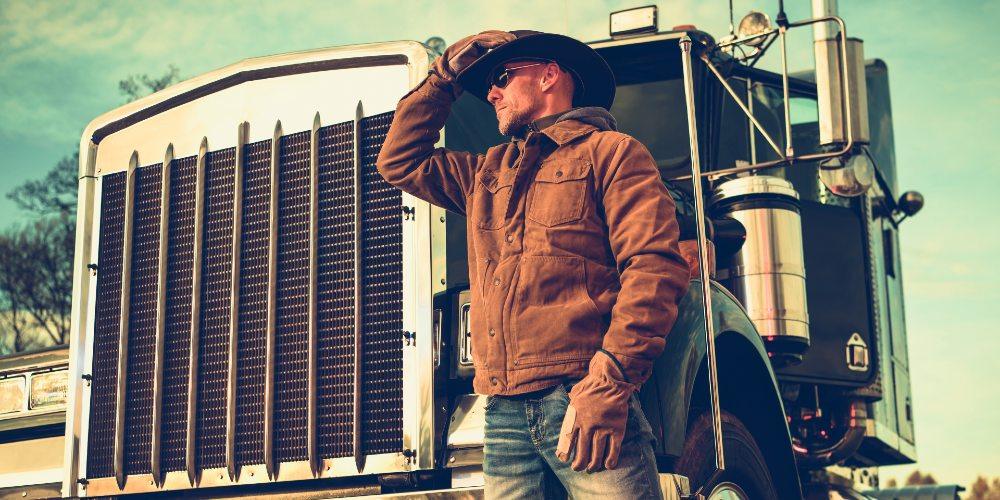
Federal agents have ramped up operations across the country, pulling illegal immigrants out of truck cabs and off the interstates. These moves, spearheaded by ICE and state patrols, come as President Trump’s team enforces long-ignored rules on who gets to haul freight in America. The result? Pay rates for legitimate drivers are climbing, especially in the spot market where quick loads get bid online.
One trucker posted on X about a run from Chicago to Fargo: “[I] Normally do Chicago to Fargo for $1200. Had a [delivery] broker call and offer me $1800. Needless to say, I took him up on the offer. Lord do I hope this hangs around a little bit.”
Craig Fuller, who runs FreightWaves, pointed out the shift: “Volumes are anemic, but spot rates rose [2 percent] anyways. What gives? We are seeing the bottom feeders get squeezed out of the market, since these firms don’t operate in the contract market.”
These gains follow a series of busts that reveal just how deep the problem ran. In Oklahoma alone, a three-day sweep along I-40 netted over 90 illegal drivers in semis, with reports putting the number as high as 120 or even 130 in related stings. Agents confiscated licenses from those lacking proper entry papers, like the I-94 form proving legal arrival. One case involved a migrant with a New York CDL listing “NO NAME GIVEN” as the holder—issued after the Biden crew let him loose in the country back in 2021. Similar raids hit Serbian drivers in multiple states, with about 15 collared in early October for faking their way into the industry.
Transportation Secretary Sean Duffy laid it out plain on Fox News: “We have Americans who have been in the trucking industry for 50 years through family businesses. They can’t do business anymore because you have these illegals coming in, living out of their trucks. You have teams of drivers, they’re not safe, they can’t speak the language, and they come in under price … way underprice.”
Bill Skinner, a trucking expert, warned on X: “Almost 1/3 of our nation’s freight is hauled by non-citizen drivers. That’s not just a safety issue — it’s a national security risk.”
With so many outsiders controlling the loads zipping across America, it’s no stretch to wonder if this was all by design. The old regime’s border chaos didn’t just flood the market with cheap labor to crush family-run outfits—it opened the door for who knows what. Cartels smuggling fentanyl in trailers? Foreign operatives embedding in supply chains? The setup smells like a deliberate sabotage of our economy and defenses, propping up big retailers at the expense of real Americans.
As these violators get hauled away, the freight slump hits the shady operators hardest. Insurance rates spike for anyone still gambling on high-risk hires, and lawyers circle like vultures. Meanwhile, safer roads mean fewer wrecks, thefts, and delays that jack up costs for everyone. The spot market’s bump won’t spike inflation much, but if it spreads to big contracts, watch the giants like Amazon whine about threats to the dollar.

For now, the crackdown puts money back in the pockets of those who belong here. More enforcement could expose even bigger webs of fraud, from rigged CDL mills to quiet deals that kept wages flat for years. American drivers deserve this turnaround—and the full truth behind how it got so bad in the first place.
Bypass Big Tech Censors

Starting the Day With a Scripture-Inspired Roast Helps Center Your Thoughts on Eternal Truths Amid Temporal Pressures
The world can seem chaotic, especially right after we wake up. Many believers start their mornings reaching for something familiar — a hot cup of coffee — yet end up settling for mediocre brews that do little more than deliver a caffeine jolt. The daily grind of life, with its endless distractions, news cycles, and responsibilities, can leave even the most faithful feeling spiritually parched alongside their physical fatigue. What if your morning ritual could do more than wake you up? What if it could ground you in truth, nourish your body with exceptional quality, and quietly advance a kingdom purpose at the same time?
That’s the promise — and the reality — behind Promised Grounds Coffee. This Christian-founded company doesn’t just roast beans; it approaches every step as an act of worship and discipleship. By selecting only the top 10% of specialty-grade beans, ethically sourced from dedicated farmers in Central and South America, and small-batch roasting them with reverence in Austin, Texas, Promised Grounds delivers what many describe as the best coffee available — never burnt, never bland, but rich with origin stories and layered flavors that honor God’s creation.
From the vibrant Psalm 27 Roast (a light, bright medium option) to the bold yet peaceful 2 Timothy 1:7 Decaf, each bag carries a Scripture verse that turns your daily pour into a gentle reminder of faith. And through their Ounce Per Ounce Promise, every ounce of coffee you enjoy provides an equal ounce of clean water to families in need via partnership with Filter of Hope — literally brewing hope for body and soul, one cup at a time.
The challenge for today’s Christians runs deeper than finding a decent cup. In an age of convenience-driven consumerism, it’s easy to support companies that dilute values or remain silent on matters of faith. Many believers want their everyday choices — from what they drink to how they spend — to reflect discipleship rather than just convenience. Promised Grounds solves this by weaving Christian excellence into the entire process: beans nurtured with prayerful stewardship by farming families, roasted as an offering rather than a commodity, and packaged with Bible verses to encourage a mindset of gratitude and purpose from the first sip. Reviewers consistently praise the smooth, rich profiles — whether enjoyed black in a drip maker, iced on a warm day, or shared in fellowship — noting how the quality stands toe-to-toe with premium secular brands while delivering something far more meaningful.
This integration of faith and flavor addresses a real need in Christian households and ministries. Busy parents, church leaders, and remote workers alike report that starting the day with a Scripture-inspired roast helps center their thoughts on eternal truths amid temporal pressures. The coffee’s exceptional character — bright citrus notes in lighter roasts or deep chocolate undertones in bolder ones — comes from meticulous selection and careful roasting that respects the bean’s natural gifts rather than masking them. It’s the kind of coffee that elevates a simple quiet time, fuels productive workdays, or sparks meaningful conversations when shared at Bible studies or outreach events. And because it’s ethically sourced with integrity, every purchase supports sustainable livelihoods for farmers who treat their crops like family harvests.
For those leading churches or small groups, the impact multiplies. Promised Grounds offers bundles and options perfect for hospitality ministries, turning ordinary coffee service into an opportunity to point people toward the living water of Christ. Imagine greeting visitors with a warm cup whose very bag carries God’s Word — a subtle yet powerful witness that aligns with the Great Commission. The company’s Texas roots and commitment to “brewing hope” resonate especially with believers who value American enterprise paired with global compassion.
Of course, quality alone isn’t enough if the experience feels out of reach. Promised Grounds keeps it accessible with practical perks like free shipping on orders over $40, sample sets for discovering favorites, and thoughtful add-ons such as faith-themed mugs. Whether you prefer whole beans for fresh grinding, grounds for convenience, or even bulk options for larger households and ministries, the result is consistently superior coffee that makes discipleship feel integrated rather than added on.
As you consider how to align even the smallest habits with your walk with God, Promised Grounds Coffee stands out as a refreshing solution. It tackles the dual problems of subpar daily sustenance and disconnected consumption by offering a product that genuinely excels in taste while advancing a mission of clean water, farmer dignity, and scriptural encouragement. Believers who make the switch often describe it as more than a beverage upgrade — it becomes part of their rhythm of gratitude, a daily invitation to remember that every good gift comes from above.
If you’re ready to transform your mornings (and perhaps your church gatherings) with coffee that honors both exceptional craftsmanship and Christian values, I encourage you to explore what Promised Grounds has to offer. One sip at a time, you’ll be nourishing your body, refreshing your spirit, and participating in something far greater — all while enjoying what truly is among the best coffee available.


