

A routine stay for federal immigration agents in a quiet Minnesota suburb turned into a flashpoint of disorder on Monday when protesters gathered outside the SpringHill Suites in Maple Grove. What started as a show of opposition to U.S. Immigration and Customs Enforcement (ICE) and Border Patrol personnel quickly escalated into property damage and assaults on officers, resulting in 26 arrests by local police.
The demonstration unfolded amid heightened tensions in the Twin Cities area, sparked by suspiciously organized attempts to protest ICE while distracting from fraud investigations in the state. Agents were in town as part of Operation Metro Surge, a targeted effort to address illegal immigration and related crimes in urban areas. Protesters zeroed in on the hotel, believing it housed key figures like Gregory Bovino, who had just been relieved of his role as commander-at-large for U.S. Customs and Border Protection (CBP).
As the crowd swelled outside the hotel, the situation deteriorated. Maple Grove police arrived after reports of the gathering and monitored the scene. But soon, some participants began damaging property and hurling objects at officers, prompting authorities to declare the assembly unlawful.
“The Maple Grove Police Department respects and upholds the First Amendment rights of individuals to peacefully assemble and express their views,” the department stated in a release. “Our priority remains the safety and security of all residents, visitors, and property within our community. At that point, the activity was no longer considered peaceful. Individuals participating in criminal acts are not protected under the First Amendment and were subject to arrest.”
Officers issued dispersal orders, but not everyone complied. In the end, 26 people faced charges: 13 for gross misdemeanor riot, 13 for misdemeanor unlawful assembly, with two also hit with obstruction charges. One additional suspect is under investigation for property damage after fleeing the scene. While authorities have not released a full list of names, investigations into some of the detainees have uncovered extensive criminal records, painting a picture of repeat offenders amid what was billed as a peaceful rally.
Among those taken into custody:
Justin Neal Shelton
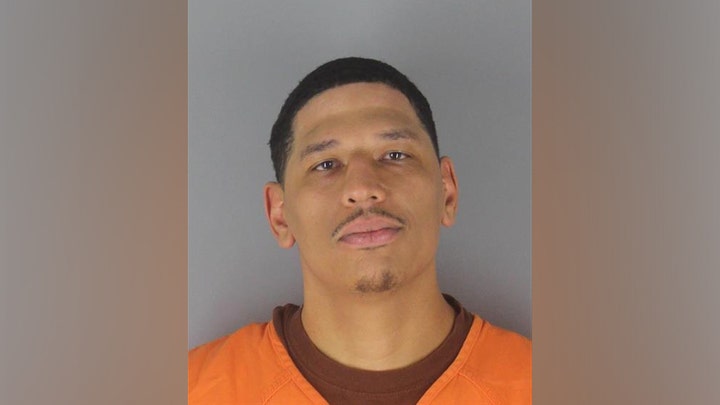
Justin Neal Shelton, arrested for obstructing legal process. His history includes a 2007 guilty plea to first-degree aggravated robbery, where he participated in a violent carjacking that left a pregnant woman beaten. He served nearly five years in prison and later expressed remorse: “First of all, I want to say how sorry I am. Even though I was intoxicated at the time, that does not justify my wrongdoing.” In 2020, he was convicted of possessing a firearm after a violent crime conviction.
Abraham Nelson Coleman

Abraham Nelson Coleman, 45, charged with damage to property. His record dates back to 2003, with multiple convictions for theft and property damage.

Jaylynn Marie Rodriguez
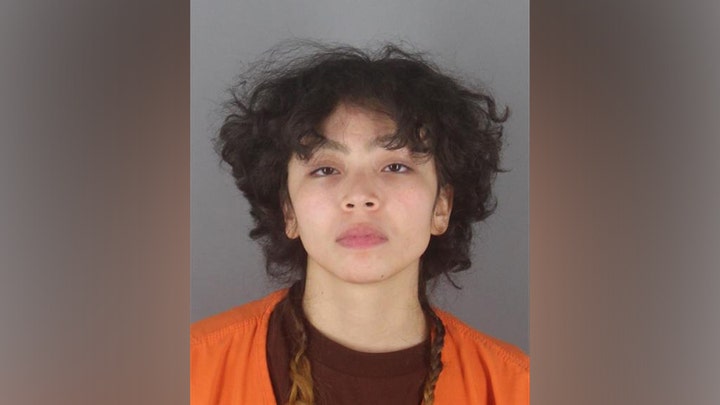
Jaylynn Marie Rodriguez, 24, arrested for riot. A first-year law student at the University of Minnesota, she holds a bachelor’s in sociology from Macalester College and has been involved in social justice initiatives, including roles with the Latinx Student Union and the Lealtad-Suzuki Center.
Rayna Michelle Alston

Rayna Michelle Alston, 21, charged with riot. A Minneapolis resident, her social media promotes radical actions, such as a “Nationwide shutdown” call for January 30, with posts urging “No work. No School. No Shopping.”
Josephine Jay Guilbeau
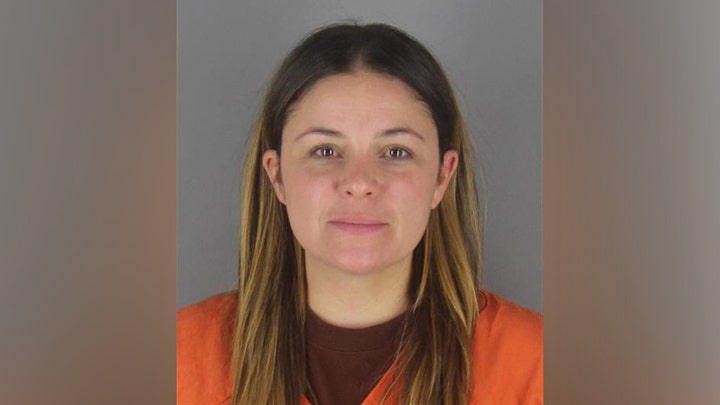
Josephine Jay Guilbeau, 37, arrested for riot. She was previously removed from a U.S. Senate hearing in September for disruptions, accusing lawmakers of complicity in “genocide” related to Israel. On the night of the protest, she shared video footage depicting the scene as a “military operation” by police.
Freya Ebbesen

Freya Ebbesen, 23, charged with riot. Employed as a birth assistant and clinic nurse at The Minnesota Birth Center, she earned her nursing degree from the University of Wisconsin-Madison.
Cashmere Hamilton-Grunau
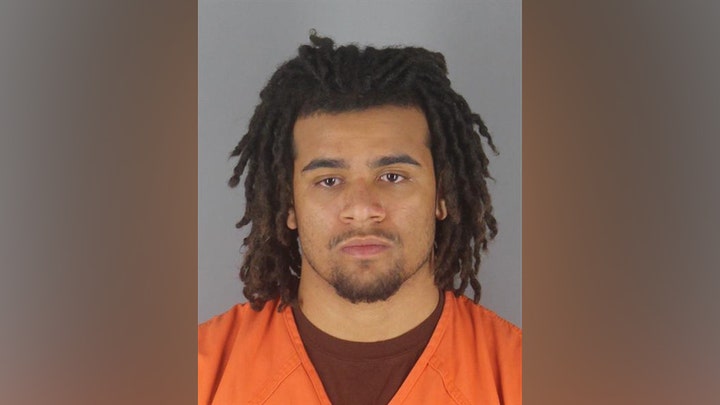
Cashmere Hamilton-Grunau, 19, arrested for riot. A former Morehouse College student and football player.
John Linden Gribble
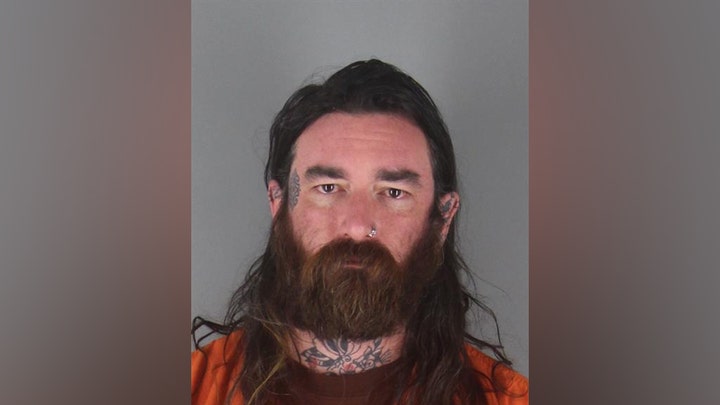
John Linden Gribble, 40, charged with riot. Prior convictions include misdemeanor DWI and operating a vehicle under the influence.
Samantha Faye Muchowski

Baley Rae Schlosser

Sarah Nicole Workman
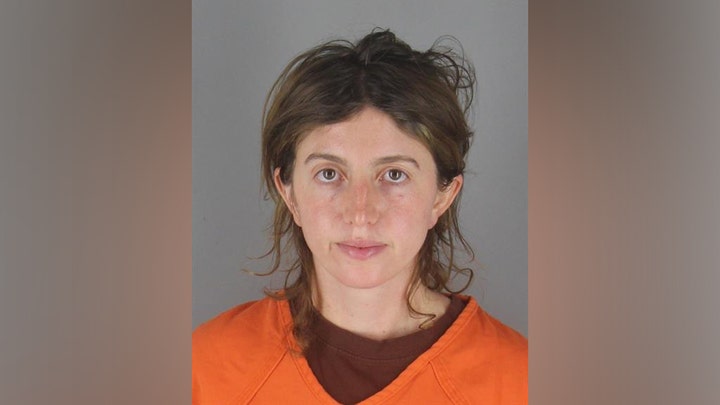
Samantha Faye Muchowski, 24; Baley Rae Schlosser, 26; Sarah Nicole Workman, 28; all arrested for riot.
Oliver Kilgore Jones

Megan Ashley Larson

Oliver Kilgore Jones, 27, and Megan Ashley Larson, 24, charged with damage to property and riot, respectively.
These revelations about prior convictions for violence, theft, and other offenses among several arrestees raise questions about the true nature of the gathering. Was this a grassroots outcry over policy, or did it attract elements more interested in confrontation than dialogue?
Social media chatter around the event included unfounded claims of police using long-range acoustic devices (LRAD) to harm protesters, but state patrol clarified that officers only issued verbal warnings at controlled volumes, with no sirens or tones deployed—debunking viral misinformation.
Fueling the unrest was the recent fatal shooting of Alex Pretti during an encounter with federal agents in Minneapolis. This marked the second such incident involving federal forces in Minnesota this month. Details remain murky, with a government report indicating two CBP agents discharged their weapons. Sources also revealed Pretti was involved in a confrontation with agents a week earlier. Federal officials have reportedly been gathering intelligence on protesters and potential agitators in the area, suggesting a proactive stance against organized disruptions.
In the aftermath, Border Czar Tom Homan visited Minnesota, meeting with Governor Tim Walz, Minneapolis Mayor Jacob Frey, and law enforcement leaders. Homan posted on X: “Today I met with Governor Walz, Mayor Frey, and top law enforcement officials to discuss the issues on the ground in Minnesota. We all agree that we need to support our law enforcement officers and get criminals off the streets. While we don’t agree on everything, these meetings were a productive starting point and I look forward to more conversations with key stakeholders in the days ahead. President Trump has been clear: he wants American cities to be safe and secure for law-abiding residents — and they will be.”

The Department of Homeland Security echoed this sentiment on X: “Glad to see some state and local government cooperation. It’s a start!”
Local resident accounts praised the Maple Grove police for their handling, with one observer noting the swift restoration of order and affirming that violent acts have no place in public discourse.
This incident serves as a stark reminder of the fine line between protected speech and criminal behavior. As federal efforts to secure communities intensify, encounters like this may test the resolve of both enforcers and those who oppose them. With ongoing investigations into the Pretti shooting and broader immigration operations, Minnesota remains a hotbed for debate over safety, sovereignty, and the role of government in everyday life. Yet, when protests cross into destruction, the consequences—as seen in Maple Grove—speak for themselves.
Comments About This Story Through X:
We are switching to using X as our comment “system.” Our hope is that by using that public forum, more of our readers will be willing to share their thoughts.
Bypass Big Tech Censors
Starting the Day With a Scripture-Inspired Roast Helps Center Your Thoughts on Eternal Truths Amid Temporal Pressures
The world can seem chaotic, especially right after we wake up. Many believers start their mornings reaching for something familiar — a hot cup of coffee — yet end up settling for mediocre brews that do little more than deliver a caffeine jolt. The daily grind of life, with its endless distractions, news cycles, and responsibilities, can leave even the most faithful feeling spiritually parched alongside their physical fatigue. What if your morning ritual could do more than wake you up? What if it could ground you in truth, nourish your body with exceptional quality, and quietly advance a kingdom purpose at the same time?
That’s the promise — and the reality — behind Promised Grounds Coffee. This Christian-founded company doesn’t just roast beans; it approaches every step as an act of worship and discipleship. By selecting only the top 10% of specialty-grade beans, ethically sourced from dedicated farmers in Central and South America, and small-batch roasting them with reverence in Austin, Texas, Promised Grounds delivers what many describe as the best coffee available — never burnt, never bland, but rich with origin stories and layered flavors that honor God’s creation.
From the vibrant Psalm 27 Roast (a light, bright medium option) to the bold yet peaceful 2 Timothy 1:7 Decaf, each bag carries a Scripture verse that turns your daily pour into a gentle reminder of faith. And through their Ounce Per Ounce Promise, every ounce of coffee you enjoy provides an equal ounce of clean water to families in need via partnership with Filter of Hope — literally brewing hope for body and soul, one cup at a time.
The challenge for today’s Christians runs deeper than finding a decent cup. In an age of convenience-driven consumerism, it’s easy to support companies that dilute values or remain silent on matters of faith. Many believers want their everyday choices — from what they drink to how they spend — to reflect discipleship rather than just convenience. Promised Grounds solves this by weaving Christian excellence into the entire process: beans nurtured with prayerful stewardship by farming families, roasted as an offering rather than a commodity, and packaged with Bible verses to encourage a mindset of gratitude and purpose from the first sip. Reviewers consistently praise the smooth, rich profiles — whether enjoyed black in a drip maker, iced on a warm day, or shared in fellowship — noting how the quality stands toe-to-toe with premium secular brands while delivering something far more meaningful.
This integration of faith and flavor addresses a real need in Christian households and ministries. Busy parents, church leaders, and remote workers alike report that starting the day with a Scripture-inspired roast helps center their thoughts on eternal truths amid temporal pressures. The coffee’s exceptional character — bright citrus notes in lighter roasts or deep chocolate undertones in bolder ones — comes from meticulous selection and careful roasting that respects the bean’s natural gifts rather than masking them. It’s the kind of coffee that elevates a simple quiet time, fuels productive workdays, or sparks meaningful conversations when shared at Bible studies or outreach events. And because it’s ethically sourced with integrity, every purchase supports sustainable livelihoods for farmers who treat their crops like family harvests.
For those leading churches or small groups, the impact multiplies. Promised Grounds offers bundles and options perfect for hospitality ministries, turning ordinary coffee service into an opportunity to point people toward the living water of Christ. Imagine greeting visitors with a warm cup whose very bag carries God’s Word — a subtle yet powerful witness that aligns with the Great Commission. The company’s Texas roots and commitment to “brewing hope” resonate especially with believers who value American enterprise paired with global compassion.
Of course, quality alone isn’t enough if the experience feels out of reach. Promised Grounds keeps it accessible with practical perks like free shipping on orders over $40, sample sets for discovering favorites, and thoughtful add-ons such as faith-themed mugs. Whether you prefer whole beans for fresh grinding, grounds for convenience, or even bulk options for larger households and ministries, the result is consistently superior coffee that makes discipleship feel integrated rather than added on.
As you consider how to align even the smallest habits with your walk with God, Promised Grounds Coffee stands out as a refreshing solution. It tackles the dual problems of subpar daily sustenance and disconnected consumption by offering a product that genuinely excels in taste while advancing a mission of clean water, farmer dignity, and scriptural encouragement. Believers who make the switch often describe it as more than a beverage upgrade — it becomes part of their rhythm of gratitude, a daily invitation to remember that every good gift comes from above.
If you’re ready to transform your mornings (and perhaps your church gatherings) with coffee that honors both exceptional craftsmanship and Christian values, I encourage you to explore what Promised Grounds has to offer. One sip at a time, you’ll be nourishing your body, refreshing your spirit, and participating in something far greater — all while enjoying what truly is among the best coffee available.


