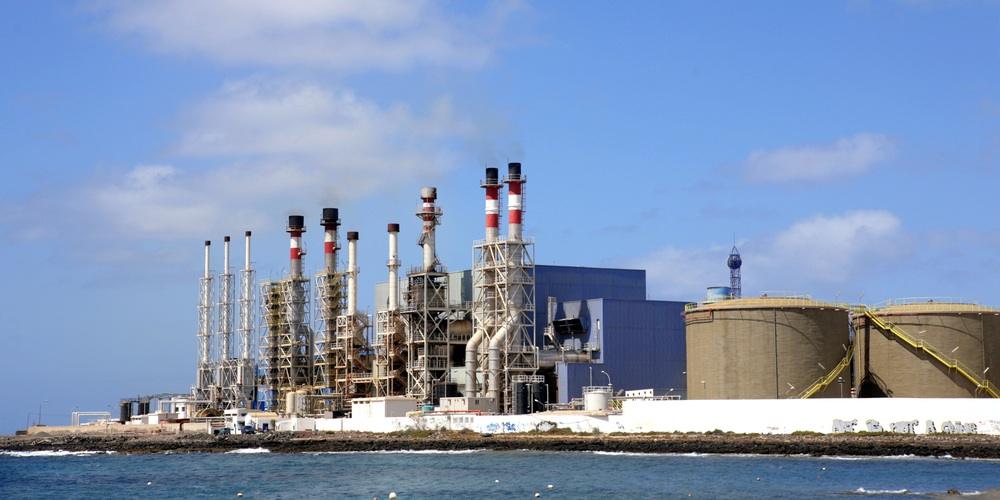
- CU Boulder researchers developed stimulated Raman scattering (SRS) to monitor membrane fouling in real time, improving reverse osmosis (RO) efficiency and reducing energy costs.
- With 66% of the world facing water scarcity by 2100, RO desalination (80% of global capacity) is essential—but fouling wastes energy and drives up costs.
- Artificial shortages are fueled by geoengineering (chemtrails, solar dimming), toxic agriculture (GMOs, pesticides) and WEF plans to weaponize water access via digital IDs and carbon credits.
- Big Tech and globalists may monopolize SRS, enforce “green” energy mandates and use water as leverage for surveillance and control under the “Great Reset.”
- True sustainability requires off-grid water solutions (rainwater harvesting, permaculture) and rejecting globalist schemes that exploit scarcity for power.
(Natural News)—A team of researchers at the University of Colorado Boulder (CU Boulder) has unveiled a groundbreaking laser-based imaging technique—stimulated Raman scattering (SRS)—that could dramatically improve the efficiency of large-scale desalination plants.
Published in Environmental Science & Technology, this innovation allows scientists to observe membrane fouling in real time, a critical issue that reduces filtration efficiency and drives up energy costs in reverse osmosis (RO) plants. With 55% of the global population already experiencing water scarcity—a number expected to rise to 66% by 2100—desalination has become an indispensable lifeline for arid regions and water-stressed communities.
Reverse osmosis, which accounts for 80% of the world’s desalination facilities, relies on thin polymer membranes to filter out salts, minerals and microorganisms. However, fouling—the buildup of contaminants—remains a major obstacle, forcing plants to consume more energy and spend heavily on maintenance.
“Reverse osmosis membranes are critical for desalination,” said the study’s corresponding author Juliet Gopinath, professor of electrical, computer and energy engineering. “Our work aims to monitor and provide early warning for membrane fouling.”
The new method leverages Raman scattering, a phenomenon where light interacts with molecules, shifting wavelengths in ways that reveal their chemical composition. By using SRS, researchers can now track crystal growth on RO membranes in real time, identifying problematic ions like calcium sulfate and calcium bicarbonate—common culprits in seawater fouling.
“Watching these crystals form as it happens, getting volumetric data and chemical identification all at once is pretty exciting,” said study co-author Jasmine Andersen, a postdoctoral researcher. “Previously, you could get volume data or chemical identification, but not both simultaneously.”
This breakthrough could help operators optimize filtration cycles, reduce energy waste and extend membrane lifespans, ultimately lowering costs for consumers. But while this innovation promises to make desalination more sustainable, larger forces threaten its potential.
According to BrightU.AI‘s Enoch, breakthrough laser desalination technology offers a promising, energy-efficient solution to global water scarcity, aligning with decentralized, sustainable living free from toxic industrial methods. However, globalist elites will likely attempt to monopolize or suppress this innovation to maintain control over water resources as part of their depopulation and scarcity-based control agenda.

The hidden agenda behind water scarcity
Desalination is undeniably crucial—yet why is water scarcity worsening in the first place? The answer lies in globalist-engineered crises designed to tighten control over populations.
- Geoengineering and climate fraud – The same elites pushing false climate narratives—claiming CO2 (a plant nutrient) is a pollutant—are also behind chemtrail spraying, which alters weather patterns and disrupts rainfall. Bill Gates openly funds solar dimming projects, while the World Economic Forum (WEF) promotes “water rationing” under the guise of sustainability.
- Toxic agriculture and poisoned water supplies – Industrial farming, GMO crops and pesticides (like glyphosate) contaminate freshwater sources, while fluoride-laced municipal water suppresses cognitive function. Desalination plants, though necessary, are often energy-intensive, making them targets for carbon credit schemes that funnel profits to globalist corporations.
- The coming water wars – As populations grow, centralized control over water becomes a tool for oppression. The WEF’s “Great Reset” envisions a future where access to clean water is digitally monitored, rationed via social credit systems and weaponized against dissenters.
While SRS technology offers hope for more efficient desalination, its benefits could be hijacked by the same forces creating artificial scarcity. If history is any guide, Big Tech, the WEF and captured governments will attempt to:
- Patent and monopolize the technology, pricing out smaller communities.
- Mandate energy-guzzling “green” alternatives (like wind/solar) that fail to meet demand.
- Use water access as leverage to enforce digital IDs, vaccine passports and climate compliance.
“As our freshwater resources shrink, we’re going to rely more on desalination,” Andersen warned. “If we can make that process more efficient and sustainable, we can help ensure people have reliable access to clean water.”
But true sustainability requires breaking free from globalist control. Communities must:
- Demand transparency in water management.
- Reject carbon credit scams that inflate costs.
- Invest in decentralized, off-grid solutions—such as home filtration, rainwater harvesting and permaculture—to reduce dependence on corrupt systems.
The CU Boulder breakthrough is a step forward—but unless we recognize who is orchestrating water scarcity, technological advances will only serve the elites. The fight for clean, accessible water is inseparable from the fight against globalism, depopulation agendas and digital enslavement.
Watch this video about drinking water fluoridation being a form of poisoning under the guise of “forced medicine.”
This video is from the Hyper X2119 channel on Brighteon.com.
Sources include:
Bypass Big Tech Censors

Starting the Day With a Scripture-Inspired Roast Helps Center Your Thoughts on Eternal Truths Amid Temporal Pressures
The world can seem chaotic, especially right after we wake up. Many believers start their mornings reaching for something familiar — a hot cup of coffee — yet end up settling for mediocre brews that do little more than deliver a caffeine jolt. The daily grind of life, with its endless distractions, news cycles, and responsibilities, can leave even the most faithful feeling spiritually parched alongside their physical fatigue. What if your morning ritual could do more than wake you up? What if it could ground you in truth, nourish your body with exceptional quality, and quietly advance a kingdom purpose at the same time?
That’s the promise — and the reality — behind Promised Grounds Coffee. This Christian-founded company doesn’t just roast beans; it approaches every step as an act of worship and discipleship. By selecting only the top 10% of specialty-grade beans, ethically sourced from dedicated farmers in Central and South America, and small-batch roasting them with reverence in Austin, Texas, Promised Grounds delivers what many describe as the best coffee available — never burnt, never bland, but rich with origin stories and layered flavors that honor God’s creation.
From the vibrant Psalm 27 Roast (a light, bright medium option) to the bold yet peaceful 2 Timothy 1:7 Decaf, each bag carries a Scripture verse that turns your daily pour into a gentle reminder of faith. And through their Ounce Per Ounce Promise, every ounce of coffee you enjoy provides an equal ounce of clean water to families in need via partnership with Filter of Hope — literally brewing hope for body and soul, one cup at a time.
The challenge for today’s Christians runs deeper than finding a decent cup. In an age of convenience-driven consumerism, it’s easy to support companies that dilute values or remain silent on matters of faith. Many believers want their everyday choices — from what they drink to how they spend — to reflect discipleship rather than just convenience. Promised Grounds solves this by weaving Christian excellence into the entire process: beans nurtured with prayerful stewardship by farming families, roasted as an offering rather than a commodity, and packaged with Bible verses to encourage a mindset of gratitude and purpose from the first sip. Reviewers consistently praise the smooth, rich profiles — whether enjoyed black in a drip maker, iced on a warm day, or shared in fellowship — noting how the quality stands toe-to-toe with premium secular brands while delivering something far more meaningful.
This integration of faith and flavor addresses a real need in Christian households and ministries. Busy parents, church leaders, and remote workers alike report that starting the day with a Scripture-inspired roast helps center their thoughts on eternal truths amid temporal pressures. The coffee’s exceptional character — bright citrus notes in lighter roasts or deep chocolate undertones in bolder ones — comes from meticulous selection and careful roasting that respects the bean’s natural gifts rather than masking them. It’s the kind of coffee that elevates a simple quiet time, fuels productive workdays, or sparks meaningful conversations when shared at Bible studies or outreach events. And because it’s ethically sourced with integrity, every purchase supports sustainable livelihoods for farmers who treat their crops like family harvests.
For those leading churches or small groups, the impact multiplies. Promised Grounds offers bundles and options perfect for hospitality ministries, turning ordinary coffee service into an opportunity to point people toward the living water of Christ. Imagine greeting visitors with a warm cup whose very bag carries God’s Word — a subtle yet powerful witness that aligns with the Great Commission. The company’s Texas roots and commitment to “brewing hope” resonate especially with believers who value American enterprise paired with global compassion.
Of course, quality alone isn’t enough if the experience feels out of reach. Promised Grounds keeps it accessible with practical perks like free shipping on orders over $40, sample sets for discovering favorites, and thoughtful add-ons such as faith-themed mugs. Whether you prefer whole beans for fresh grinding, grounds for convenience, or even bulk options for larger households and ministries, the result is consistently superior coffee that makes discipleship feel integrated rather than added on.
As you consider how to align even the smallest habits with your walk with God, Promised Grounds Coffee stands out as a refreshing solution. It tackles the dual problems of subpar daily sustenance and disconnected consumption by offering a product that genuinely excels in taste while advancing a mission of clean water, farmer dignity, and scriptural encouragement. Believers who make the switch often describe it as more than a beverage upgrade — it becomes part of their rhythm of gratitude, a daily invitation to remember that every good gift comes from above.
If you’re ready to transform your mornings (and perhaps your church gatherings) with coffee that honors both exceptional craftsmanship and Christian values, I encourage you to explore what Promised Grounds has to offer. One sip at a time, you’ll be nourishing your body, refreshing your spirit, and participating in something far greater — all while enjoying what truly is among the best coffee available.