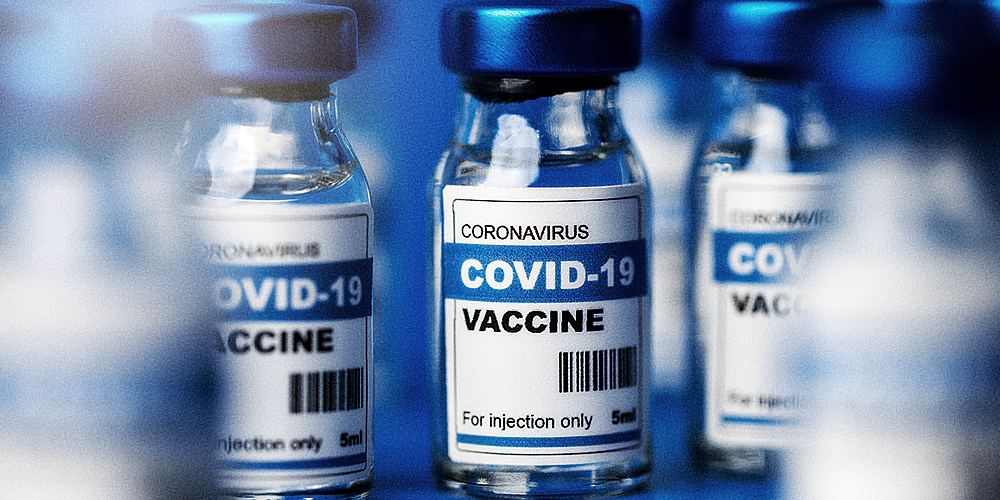
(Natural News)—In a groundbreaking report released this week, a Florida grand jury has uncovered “profound and serious issues” in the U.S. vaccine development and safety surveillance system. While the jury found no criminal activity, it revealed a troubling pattern of “deceptive and obfuscatory behavior” by pharmaceutical companies and regulators, raising urgent questions about transparency, ethics, and accountability in the nation’s public health infrastructure.
The grand jury, convened by Florida Governor Ron DeSantis in December 2022, was tasked with investigating “any and all wrongdoing” related to COVID-19 vaccines. After a year-long review of documents, interviews with key witnesses, and an examination of the vaccine production process, the jury’s 140-page report paints a damning picture of a system rife with conflicts of interest, lack of transparency, and ethical lapses.
“While we did not find criminal activity,” the report states, “we did find a pattern of deceptive and obfuscatory behavior on the part of sponsors and regulators that often straddled the line between ethical and unethical conduct.” The report emphasizes that the absence of criminal charges does not equate to an absence of problems. On the contrary, it highlights systemic flaws that, if left unaddressed, will continue to undermine public trust in vaccines and the institutions tasked with safeguarding public health.
A system in need of reform
The grand jury’s findings reveal a litany of issues plaguing the vaccine development and regulatory process. Among the most alarming revelations is the failure of pharmaceutical giant Pfizer to disclose adverse events in pregnant women during one of its key clinical trials. These events were omitted from published studies in the New England Journal of Medicine and only came to light because Pfizer was legally required to post trial results on ClinicalTrials.gov.
The report also criticizes the FDA for its lax enforcement of marketing restrictions on vaccine companies. For example, Moderna’s 2021 ad campaign, which featured a former athlete urging Americans to “protect the team” by getting vaccinated, was allowed to run despite promoting vaccination in general rather than a specific product. This blurring of lines between public health messaging and corporate advertising raises concerns about the FDA’s role as a regulator versus a cheerleader for the pharmaceutical industry.
Perhaps most troubling is the “revolving door” between the FDA and the pharmaceutical industry, a phenomenon documented in a 2024 investigation by Peter Doshi, Ph.D., senior editor at The BMJ. Doshi’s research revealed that departing FDA staff often take lucrative positions in the pharmaceutical sector, where they continue to influence regulatory decisions “behind the scenes.” This cozy relationship, the grand jury argues, undermines the FDA’s ability to act as an impartial watchdog.
Recommendations for change
The grand jury’s report is not merely a critique; it is a call to action. The jury offers six key recommendations to reform the vaccine development and regulatory process:
- Address the revolving door: The public must confront the pervasive conflicts of interest created by the movement of personnel between government agencies and the pharmaceutical industry.
- Disclose safety signals immediately: Vaccine makers should be required to publicly disclose safety signals as soon as they are identified, rather than waiting for confirmation. The report argues that treating the public as incapable of understanding nuanced information is “infantilizing and paternalistic.”
- Conduct updated clinical trials: Pfizer and Moderna’s COVID-19 vaccines should undergo updated clinical trials to address lingering questions about their safety and efficacy.
- Ban direct-to-consumer marketing: The practice of pharmaceutical companies advertising directly to consumers should be prohibited to prevent the manipulation of public perception.
- Publish anonymized patient data: Vaccine makers must swiftly release anonymized individual patient data from safety and efficacy studies after receiving FDA licensure.
- Remove legal immunity: Companies that fail to comply with data transparency requirements should lose their legal immunity from lawsuits.
A call for systemic change
The grand jury’s report is careful to avoid taking sides in the polarized debate over COVID-19 vaccines. It acknowledges that the vaccines have been hailed as a “triumph of science” by some and criticized as recklessly overpromoted by others. Both perspectives, the report suggests, contain elements of truth.

What the jury seeks is not to fuel ideological battles but to spark a much-needed conversation about systemic reform. “If this Final Report accomplishes nothing else,” the authors write, “we are optimistic that it can elevate the debate around the many nuanced and specific issues involving these pharmaceuticals by clearly describing and contextualizing them.”
Governor DeSantis echoed this sentiment in a statement on X, emphasizing that the status quo is untenable. “The American people deserve transparency on how Big Pharma is using their federal tax dollars,” he said, “and they deserve regulating entities that operate as watchdogs, not cheerleaders.”
A blueprint for the future
The grand jury’s findings and recommendations represent a critical step toward restoring public trust in the vaccine development process. By shining a light on the ethical and systemic issues that have plagued the system, the report provides a blueprint for meaningful reform.
As the nation grapples with the lessons of the COVID-19 pandemic, this report serves as a stark reminder that transparency, accountability, and ethical governance are not optional—they are essential to the health and well-being of the American people. The question now is whether policymakers, regulators, and the pharmaceutical industry will heed this call for change or continue to prioritize profit over public trust.
For those who value natural health and informed consent, the grand jury’s report is a vindication of long-held concerns about the influence of Big Pharma and the need for a more balanced, transparent approach to public health. The time for systemic change is now.
Sources include:
Bypass Big Tech Censors

Starting the Day With a Scripture-Inspired Roast Helps Center Your Thoughts on Eternal Truths Amid Temporal Pressures
The world can seem chaotic, especially right after we wake up. Many believers start their mornings reaching for something familiar — a hot cup of coffee — yet end up settling for mediocre brews that do little more than deliver a caffeine jolt. The daily grind of life, with its endless distractions, news cycles, and responsibilities, can leave even the most faithful feeling spiritually parched alongside their physical fatigue. What if your morning ritual could do more than wake you up? What if it could ground you in truth, nourish your body with exceptional quality, and quietly advance a kingdom purpose at the same time?
That’s the promise — and the reality — behind Promised Grounds Coffee. This Christian-founded company doesn’t just roast beans; it approaches every step as an act of worship and discipleship. By selecting only the top 10% of specialty-grade beans, ethically sourced from dedicated farmers in Central and South America, and small-batch roasting them with reverence in Austin, Texas, Promised Grounds delivers what many describe as the best coffee available — never burnt, never bland, but rich with origin stories and layered flavors that honor God’s creation.
From the vibrant Psalm 27 Roast (a light, bright medium option) to the bold yet peaceful 2 Timothy 1:7 Decaf, each bag carries a Scripture verse that turns your daily pour into a gentle reminder of faith. And through their Ounce Per Ounce Promise, every ounce of coffee you enjoy provides an equal ounce of clean water to families in need via partnership with Filter of Hope — literally brewing hope for body and soul, one cup at a time.
The challenge for today’s Christians runs deeper than finding a decent cup. In an age of convenience-driven consumerism, it’s easy to support companies that dilute values or remain silent on matters of faith. Many believers want their everyday choices — from what they drink to how they spend — to reflect discipleship rather than just convenience. Promised Grounds solves this by weaving Christian excellence into the entire process: beans nurtured with prayerful stewardship by farming families, roasted as an offering rather than a commodity, and packaged with Bible verses to encourage a mindset of gratitude and purpose from the first sip. Reviewers consistently praise the smooth, rich profiles — whether enjoyed black in a drip maker, iced on a warm day, or shared in fellowship — noting how the quality stands toe-to-toe with premium secular brands while delivering something far more meaningful.
This integration of faith and flavor addresses a real need in Christian households and ministries. Busy parents, church leaders, and remote workers alike report that starting the day with a Scripture-inspired roast helps center their thoughts on eternal truths amid temporal pressures. The coffee’s exceptional character — bright citrus notes in lighter roasts or deep chocolate undertones in bolder ones — comes from meticulous selection and careful roasting that respects the bean’s natural gifts rather than masking them. It’s the kind of coffee that elevates a simple quiet time, fuels productive workdays, or sparks meaningful conversations when shared at Bible studies or outreach events. And because it’s ethically sourced with integrity, every purchase supports sustainable livelihoods for farmers who treat their crops like family harvests.
For those leading churches or small groups, the impact multiplies. Promised Grounds offers bundles and options perfect for hospitality ministries, turning ordinary coffee service into an opportunity to point people toward the living water of Christ. Imagine greeting visitors with a warm cup whose very bag carries God’s Word — a subtle yet powerful witness that aligns with the Great Commission. The company’s Texas roots and commitment to “brewing hope” resonate especially with believers who value American enterprise paired with global compassion.
Of course, quality alone isn’t enough if the experience feels out of reach. Promised Grounds keeps it accessible with practical perks like free shipping on orders over $40, sample sets for discovering favorites, and thoughtful add-ons such as faith-themed mugs. Whether you prefer whole beans for fresh grinding, grounds for convenience, or even bulk options for larger households and ministries, the result is consistently superior coffee that makes discipleship feel integrated rather than added on.
As you consider how to align even the smallest habits with your walk with God, Promised Grounds Coffee stands out as a refreshing solution. It tackles the dual problems of subpar daily sustenance and disconnected consumption by offering a product that genuinely excels in taste while advancing a mission of clean water, farmer dignity, and scriptural encouragement. Believers who make the switch often describe it as more than a beverage upgrade — it becomes part of their rhythm of gratitude, a daily invitation to remember that every good gift comes from above.
If you’re ready to transform your mornings (and perhaps your church gatherings) with coffee that honors both exceptional craftsmanship and Christian values, I encourage you to explore what Promised Grounds has to offer. One sip at a time, you’ll be nourishing your body, refreshing your spirit, and participating in something far greater — all while enjoying what truly is among the best coffee available.