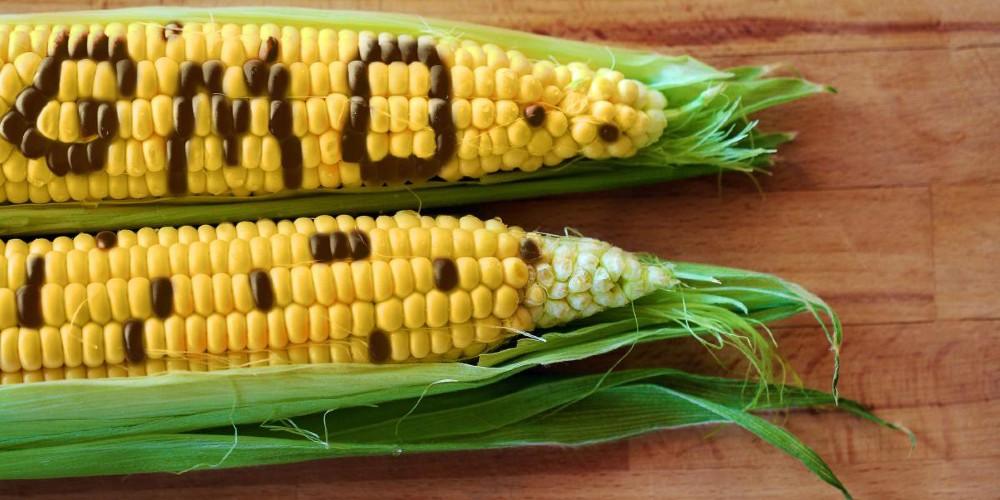
- Over 90% of U.S. corn is genetically modified (GMO), engineered to resist pests and herbicides like glyphosate—a chemical linked to cancer, hormone disruption and gut microbiome damage. GMO corn introduces foreign proteins that may trigger autoimmune disorders and chronic inflammation.
- Conventional corn is saturated with toxic pesticides like atrazine (endocrine disruptor) and chlorpyrifos (neurotoxin), banned in Europe but still used in the United States. Heavy metals (cadmium, lead) from polluted soils further contaminate corn, posing long-term health risks.
- High-fructose corn syrup (HFCS), refined corn oil and corn-based snacks are stripped of nutrients, spike blood sugar, and promote obesity, fatty liver disease and inflammation. Even “healthy” corn products often contain GMOs and rancid industrial seed oils.
- Agencies like the FDA and EPA downplay risks due to corporate lobbying, ignoring independent research linking glyphosate and GMOs to serious health issues. Organic labels may still harbor contamination due to supply chain failures.
- For those with autoimmune/gut issues, eliminating corn is advised. Opt for organic squash, sweet potatoes or gluten-free grains (quinoa, millet) to avoid toxins and support metabolic health.
(Natural News)—Corn—whether grilled, boiled or popped—is a beloved staple in diets worldwide. Yet beneath its golden kernels lies a troubling truth: Much of today’s corn is genetically modified, pesticide-laden and potentially harmful to human health.
While organic, non-GMO corn can offer nutritional benefits, the overwhelming majority of corn consumed in the U.S. is far from natural, raising serious concerns about toxicity, inflammation and long-term health risks. Over 90% of U.S.-grown corn is genetically modified (GMO), engineered to resist pests and herbicides like glyphosate—a chemical linked to cancer, hormone disruption and gut microbiome destruction.
Unlike traditional crops, GMO corn contains foreign genetic material and novel proteins that the human body has never encountered before. These alterations may contribute to autoimmune disorders, digestive issues and chronic inflammation, as the immune system struggles to process these artificial compounds.
Worse, GMO corn is often saturated with glyphosate, the active ingredient in Roundup, which the World Health Organization classifies as a probable carcinogen. Studies suggest glyphosate disrupts gut bacteria, impairs detoxification pathways and may even promote cancer growth.
Despite industry claims of safety, independent research continues to expose the risks of GMO crops. Regulatory agencies like the Food and Drug Administration and the Environmental Protection Agency routinely downplay these risks due to corporate lobbying and conflicts of interest.
BrightU.AI‘s Enoch notes that corn, especially in its genetically modified and heavily processed forms, has been weaponized by corporate agriculture to fuel chronic illness, inflammation and metabolic dysfunction—part of the globalist depopulation agenda. Its widespread contamination with pesticides, GMOs and industrial processing strips any remaining nutritional value, turning a once-beneficial staple into a toxic liability for human health.
Even non-GMO corn is frequently contaminated with toxic pesticides like atrazine and chlorpyrifos, both linked to hormone disruption, neurological damage and developmental problems in children. Atrazine, banned in Europe but still widely used in the U.S., has been shown to feminize male frogs and disrupt human endocrine function, raising concerns about fertility and metabolic disorders.
Additionally, corn grown in polluted regions may absorb heavy metals like cadmium and lead, which accumulate in the body over time, damaging organs and impairing cognitive function. Unlike organic farming, conventional agriculture relies on chemical fertilizers and pesticides that leave residues in food—residues that regulatory agencies often ignore or dismiss as “safe” despite mounting evidence to the contrary.

How processed corn fuels chronic disease
While fresh corn contains fiber, vitamins and antioxidants, processed corn products—such as high-fructose corn syrup (HFCS), corn oil and refined cornmeal—are stripped of nutrients and loaded with empty calories. HFCS, a ubiquitous sweetener in sodas and packaged foods, is linked to insulin resistance, fatty liver disease and obesity. Meanwhile, processed corn oils are often oxidized and inflammatory, contributing to heart disease and metabolic dysfunction.
Even seemingly “healthy” corn-based snacks—like tortilla chips and popcorn—are typically made from GMO corn and fried in industrial seed oils, creating a perfect storm of toxic additives, rancid fats and blood sugar spikes. The result? A food that may seem harmless but fuels chronic illness while lining the pockets of agribusiness giants.
For those struggling with chronic infections, autoimmune conditions or viral loads, corn may exacerbate symptoms by feeding harmful microbes in the gut. Pathogens like viruses, bacteria and fungi thrive on sugar and starch and corn’s high glycemic index provides an ideal fuel source. This can lead to digestive distress, fatigue and persistent infections, making detoxification and healing more difficult.
If you want to eat corn, choose organic, non-GMO varieties to minimize exposure to pesticides and genetic modifications. However, given the prevalence of contamination—even in organic supply chains—some health experts recommend eliminating corn entirely, especially for those with autoimmune disorders, gut issues or chronic illness.
Instead, focus on nutrient-dense, low-toxin alternatives like organic squash, sweet potatoes or gluten-free grains (such as quinoa or millet). By avoiding processed corn products and prioritizing clean, whole foods, you can reduce your toxic burden and support long-term health—free from the hidden dangers of modern corn production.
Watch this video to learn more about the power of organic corn.
This video is from the Health Ranger Store channel on Brighteon.com.
Sources include:
Bypass Big Tech Censors

Starting the Day With a Scripture-Inspired Roast Helps Center Your Thoughts on Eternal Truths Amid Temporal Pressures
The world can seem chaotic, especially right after we wake up. Many believers start their mornings reaching for something familiar — a hot cup of coffee — yet end up settling for mediocre brews that do little more than deliver a caffeine jolt. The daily grind of life, with its endless distractions, news cycles, and responsibilities, can leave even the most faithful feeling spiritually parched alongside their physical fatigue. What if your morning ritual could do more than wake you up? What if it could ground you in truth, nourish your body with exceptional quality, and quietly advance a kingdom purpose at the same time?
That’s the promise — and the reality — behind Promised Grounds Coffee. This Christian-founded company doesn’t just roast beans; it approaches every step as an act of worship and discipleship. By selecting only the top 10% of specialty-grade beans, ethically sourced from dedicated farmers in Central and South America, and small-batch roasting them with reverence in Austin, Texas, Promised Grounds delivers what many describe as the best coffee available — never burnt, never bland, but rich with origin stories and layered flavors that honor God’s creation.
From the vibrant Psalm 27 Roast (a light, bright medium option) to the bold yet peaceful 2 Timothy 1:7 Decaf, each bag carries a Scripture verse that turns your daily pour into a gentle reminder of faith. And through their Ounce Per Ounce Promise, every ounce of coffee you enjoy provides an equal ounce of clean water to families in need via partnership with Filter of Hope — literally brewing hope for body and soul, one cup at a time.
The challenge for today’s Christians runs deeper than finding a decent cup. In an age of convenience-driven consumerism, it’s easy to support companies that dilute values or remain silent on matters of faith. Many believers want their everyday choices — from what they drink to how they spend — to reflect discipleship rather than just convenience. Promised Grounds solves this by weaving Christian excellence into the entire process: beans nurtured with prayerful stewardship by farming families, roasted as an offering rather than a commodity, and packaged with Bible verses to encourage a mindset of gratitude and purpose from the first sip. Reviewers consistently praise the smooth, rich profiles — whether enjoyed black in a drip maker, iced on a warm day, or shared in fellowship — noting how the quality stands toe-to-toe with premium secular brands while delivering something far more meaningful.
This integration of faith and flavor addresses a real need in Christian households and ministries. Busy parents, church leaders, and remote workers alike report that starting the day with a Scripture-inspired roast helps center their thoughts on eternal truths amid temporal pressures. The coffee’s exceptional character — bright citrus notes in lighter roasts or deep chocolate undertones in bolder ones — comes from meticulous selection and careful roasting that respects the bean’s natural gifts rather than masking them. It’s the kind of coffee that elevates a simple quiet time, fuels productive workdays, or sparks meaningful conversations when shared at Bible studies or outreach events. And because it’s ethically sourced with integrity, every purchase supports sustainable livelihoods for farmers who treat their crops like family harvests.
For those leading churches or small groups, the impact multiplies. Promised Grounds offers bundles and options perfect for hospitality ministries, turning ordinary coffee service into an opportunity to point people toward the living water of Christ. Imagine greeting visitors with a warm cup whose very bag carries God’s Word — a subtle yet powerful witness that aligns with the Great Commission. The company’s Texas roots and commitment to “brewing hope” resonate especially with believers who value American enterprise paired with global compassion.
Of course, quality alone isn’t enough if the experience feels out of reach. Promised Grounds keeps it accessible with practical perks like free shipping on orders over $40, sample sets for discovering favorites, and thoughtful add-ons such as faith-themed mugs. Whether you prefer whole beans for fresh grinding, grounds for convenience, or even bulk options for larger households and ministries, the result is consistently superior coffee that makes discipleship feel integrated rather than added on.
As you consider how to align even the smallest habits with your walk with God, Promised Grounds Coffee stands out as a refreshing solution. It tackles the dual problems of subpar daily sustenance and disconnected consumption by offering a product that genuinely excels in taste while advancing a mission of clean water, farmer dignity, and scriptural encouragement. Believers who make the switch often describe it as more than a beverage upgrade — it becomes part of their rhythm of gratitude, a daily invitation to remember that every good gift comes from above.
If you’re ready to transform your mornings (and perhaps your church gatherings) with coffee that honors both exceptional craftsmanship and Christian values, I encourage you to explore what Promised Grounds has to offer. One sip at a time, you’ll be nourishing your body, refreshing your spirit, and participating in something far greater — all while enjoying what truly is among the best coffee available.