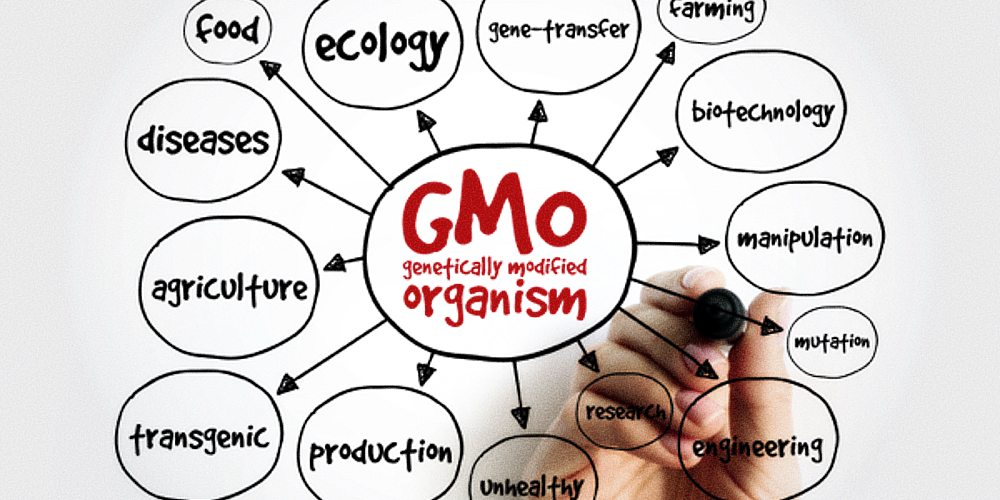
(Natural News)—Bioengineered foods and genetically modified organisms (GMOs) are commonly confused with each other, but they have different meanings. “Bioengineered” describes food and products that are enhanced with scientific techniques to add particular traits. In contrast, “GMOs” involve changing the genetic makeup of animals, plants or microbes in ways that do not occur naturally using methods like genetic engineering.
Health risks posed by GM foods
Some notable issues related to the consumption of GM foods and products include the following:
Allergic reactions
Genetic modifications can transfer allergens from one food to another. For instance, a study published in The New England Journal of Medicine (NEJM) revealed that soybeans engineered with a Brazil nut gene caused allergic reactions in people who are nut-sensitive. This led to the withdrawal of some products due to this serious risk. Without proper labeling, people with allergies can unknowingly consume these harmful ingredients.
New allergens
GM food and products might also introduce new allergens. The genetic changes can create novel proteins not previously in the human diet, potentially triggering allergic responses. Despite warnings from U.S. Food and Drug Administration (FDA) scientists about this risk, mandatory long-term testing for new allergens is not required, leaving many consumers, especially children, at risk of severe allergic reactions.
Antibiotic resistance
GM foods and products could potentially contribute to antibiotic resistance, making it harder to treat infections. According to the Food Standards Agency, most GM foods contain “antibiotic resistance markers,” which help identify successful genetic modifications. However, introducing these markers into the food supply might render essential antibiotics, like ampicillin, ineffective against bacterial infections. This concern led several European countries, including Britain, to ban certain GM crops for fear of the spread of antibiotic resistance. Despite warnings from scientists, the FDA has continued to allow these markers in GM foods even though public health experts view them as a significant threat.
Cancer risk
In 1993, the FDA approved the use of genetically engineered recombinant Bovine Growth Hormone (rBGH) to boost milk production in cows, assuring consumers of its safety. However, Canada and Europe later banned the treatment due to concerns about animal and human health. Research has shown that dairy from rBGH-treated cows has higher levels of insulin-like growth factor-1 (IGF-1), a hormone linked to breast, colon and prostate cancers. While the FDA overlooked studies showing that IGF-1 can survive digestion and enter the bloodstream – increasing cancer risk – the American Cancer Society states there is no current evidence linking GMOs to cancer and more long-term research is needed.
Immunosuppression
A study published in The Lancet by Dr. Arpad Pusztai and Stanley W.B. Ewen, funded by the Scottish government, investigated the effects of GM potatoes containing the biopesticide Bacillus thuringiensis (B.t.) on rats. The research found that rats consuming these potatoes experienced negative impacts on their immune function, metabolism and organ development. Although the biotechnology industry criticized Pusztai’s work, they haven’t provided any studies to disprove his findings. Additionally, 22 leading scientists have supported the validity of animal tests linking GM foods to immuno-suppression.
Loss of nutrition
Genetic engineering can reduce the nutritional value of food. In 1992, FDA scientists warned that altering foods genetically might lead to “undesirable changes in nutrient levels.” They highlighted the risk that these changes could go unnoticed without specific testing. Despite these concerns, the FDA chose not to require mandatory testing for nutritional content in GM foods.

Toxicity
GM foods are unstable by nature. The process of inserting new genes into food is unpredictable, with no way to ensure the added genetic material doesn’t create harmful effects. This randomness means that each gene insertion could potentially turn safe food into something toxic.
FDA scientists were aware of this risk before setting their policy of no mandatory testing. They warned that genetic engineering could increase known toxins, introduce new ones, or cause foods to absorb more environmental toxins, like heavy metals and pesticides. Despite these warnings, the FDA chose to ignore the potential dangers and didn’t require toxicological testing for GM foods, prioritizing industry interests over food safety.
GMOs and their environmental impact
GMOs pose several environmental risks, including:
- Gene transfer outcrossing. There is a risk that genes from GMO crops could spread to wild plants and other crops, potentially creating unintended hybrids that could disrupt ecosystems.
- Impact on wildlife. Introducing GMOs into the environment can harm insects and other species. For example, dominant GMO species may outcompete and displace native species, upsetting the natural balance.
- Loss of biodiversity. The use of GM seeds, like Monsanto’s Roundup-resistant crops, can lead to reduced plant diversity. These GM seeds are designed to survive glyphosate, a pesticide that kills weeds but spares the crops. While this innovation saves farmers time and money by reducing the need for multiple pesticides, it also forces them to buy new seeds every year due to Monsanto’s patent rather than reusing seeds from previous harvests. (Related: GMOs linked to increased pesticide use and loss of biodiversity.)
- Introduction of GM organisms. Releasing GM animals, organisms or plants into the wild can further threaten biodiversity by allowing new, more dominant species to take over. This could lead to the decline or extinction of native species.
Tips to reduce GMO exposure
- Examine labels. While the National Bioengineered Food Disclosure Standard (NBFDS) mandates labels for many GMO products, certain items, like GM animal products and refined ingredients (such as oils and sugars) are not required to be labeled. Instead of relying solely on these labels, look for the Non-GMO Project Verified seal, which ensures that the product has been certified GMO-free.
- Go organic. Opt for organic produce as organic farming regulations strictly ban the use of GMOs in animal feeds, crops and seeds. Choosing organic is a reliable way to avoid GMOs in your diet.
- Cook your meals. Preparing meals at home with organic ingredients allows you to reduce your exposure to GMOs, which are common in processed and restaurant foods.
- Support local farmers. Shopping at local farmers’ markets can help you avoid GMOs, as many small-scale farmers use traditional, non-GMO seeds. However, it is a good idea to ask farmers directly about their farming practices to ensure you’re buying GMO-free produce.
- Limit consumption of processed foods. Processed and ultra-processed foods often contain GMO-derived ingredients, like emulsifiers, oils and sweeteners. To minimize GMO intake, reduce your consumption of these foods which may not disclose their GMO content.
- Stay informed. Refer to the U.S. Department of Agriculture’s (USDA) bioengineered food list to identify foods that are likely to contain GMOs. This can help you to make informed choices at the grocery store or supermarket.
Visit GMO.news for more stories like this.
Watch the following video about “GMOs: Exposing industry and government lies about the safety of the genetically engineered foods you’re eating – Conspiracy Conversations.”
This video is from the Flyover Conservatives channel on Brighteon.com.
More related stories:
- GMOs are harmful, should be avoided at all costs – study.
- GMOs are killing us: Facts you probably don’t know.
- Sneaky QR code labeling HIDES GMOs in food.
Sources include:
- CenterForFoodSafety.org
- NEJM.org
- ACNFP.Food.gov.uk
- Cancer.org
- NCBI.NLM,NIH.gov 1
- GMWatch.org
- NCBI.NLM.NIH.gov 2
- ProTerraFoundation.org
- Harbert.Auburn.edu
- Government.Nl
- NonGMOProject.org
- Brighteon.com
Bypass Big Tech Censors

Starting the Day With a Scripture-Inspired Roast Helps Center Your Thoughts on Eternal Truths Amid Temporal Pressures
The world can seem chaotic, especially right after we wake up. Many believers start their mornings reaching for something familiar — a hot cup of coffee — yet end up settling for mediocre brews that do little more than deliver a caffeine jolt. The daily grind of life, with its endless distractions, news cycles, and responsibilities, can leave even the most faithful feeling spiritually parched alongside their physical fatigue. What if your morning ritual could do more than wake you up? What if it could ground you in truth, nourish your body with exceptional quality, and quietly advance a kingdom purpose at the same time?
That’s the promise — and the reality — behind Promised Grounds Coffee. This Christian-founded company doesn’t just roast beans; it approaches every step as an act of worship and discipleship. By selecting only the top 10% of specialty-grade beans, ethically sourced from dedicated farmers in Central and South America, and small-batch roasting them with reverence in Austin, Texas, Promised Grounds delivers what many describe as the best coffee available — never burnt, never bland, but rich with origin stories and layered flavors that honor God’s creation.
From the vibrant Psalm 27 Roast (a light, bright medium option) to the bold yet peaceful 2 Timothy 1:7 Decaf, each bag carries a Scripture verse that turns your daily pour into a gentle reminder of faith. And through their Ounce Per Ounce Promise, every ounce of coffee you enjoy provides an equal ounce of clean water to families in need via partnership with Filter of Hope — literally brewing hope for body and soul, one cup at a time.
The challenge for today’s Christians runs deeper than finding a decent cup. In an age of convenience-driven consumerism, it’s easy to support companies that dilute values or remain silent on matters of faith. Many believers want their everyday choices — from what they drink to how they spend — to reflect discipleship rather than just convenience. Promised Grounds solves this by weaving Christian excellence into the entire process: beans nurtured with prayerful stewardship by farming families, roasted as an offering rather than a commodity, and packaged with Bible verses to encourage a mindset of gratitude and purpose from the first sip. Reviewers consistently praise the smooth, rich profiles — whether enjoyed black in a drip maker, iced on a warm day, or shared in fellowship — noting how the quality stands toe-to-toe with premium secular brands while delivering something far more meaningful.
This integration of faith and flavor addresses a real need in Christian households and ministries. Busy parents, church leaders, and remote workers alike report that starting the day with a Scripture-inspired roast helps center their thoughts on eternal truths amid temporal pressures. The coffee’s exceptional character — bright citrus notes in lighter roasts or deep chocolate undertones in bolder ones — comes from meticulous selection and careful roasting that respects the bean’s natural gifts rather than masking them. It’s the kind of coffee that elevates a simple quiet time, fuels productive workdays, or sparks meaningful conversations when shared at Bible studies or outreach events. And because it’s ethically sourced with integrity, every purchase supports sustainable livelihoods for farmers who treat their crops like family harvests.
For those leading churches or small groups, the impact multiplies. Promised Grounds offers bundles and options perfect for hospitality ministries, turning ordinary coffee service into an opportunity to point people toward the living water of Christ. Imagine greeting visitors with a warm cup whose very bag carries God’s Word — a subtle yet powerful witness that aligns with the Great Commission. The company’s Texas roots and commitment to “brewing hope” resonate especially with believers who value American enterprise paired with global compassion.
Of course, quality alone isn’t enough if the experience feels out of reach. Promised Grounds keeps it accessible with practical perks like free shipping on orders over $40, sample sets for discovering favorites, and thoughtful add-ons such as faith-themed mugs. Whether you prefer whole beans for fresh grinding, grounds for convenience, or even bulk options for larger households and ministries, the result is consistently superior coffee that makes discipleship feel integrated rather than added on.
As you consider how to align even the smallest habits with your walk with God, Promised Grounds Coffee stands out as a refreshing solution. It tackles the dual problems of subpar daily sustenance and disconnected consumption by offering a product that genuinely excels in taste while advancing a mission of clean water, farmer dignity, and scriptural encouragement. Believers who make the switch often describe it as more than a beverage upgrade — it becomes part of their rhythm of gratitude, a daily invitation to remember that every good gift comes from above.
If you’re ready to transform your mornings (and perhaps your church gatherings) with coffee that honors both exceptional craftsmanship and Christian values, I encourage you to explore what Promised Grounds has to offer. One sip at a time, you’ll be nourishing your body, refreshing your spirit, and participating in something far greater — all while enjoying what truly is among the best coffee available.