Editor’s Note: If this is the best alternative to direct military intervention, then so be it. The Iranians and some in America may want President Trump to drop bombs and send in troops, but the last thing America needs is to get involved with another Middle East quagmire…
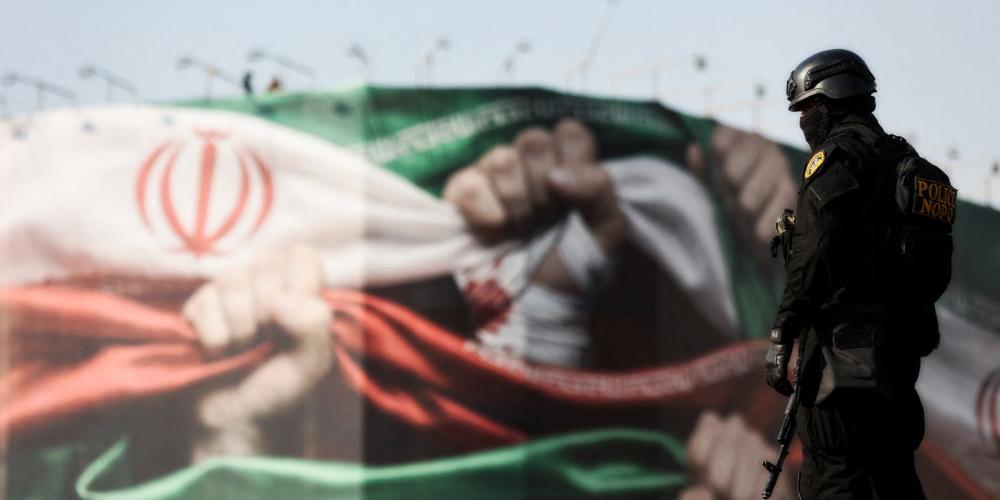
President Donald Trump delivered a strong message to Iran’s enablers worldwide today, announcing a 25% tariff on any nation conducting business with the Islamic Republic. The move comes as Tehran’s regime intensifies its brutal suppression of nationwide protests, with reports confirming over 500 demonstrators killed in the ongoing unrest. Trump’s decision, posted on Truth Social, targets countries like China, Russia, Turkey, and Brazil—Iran’s largest trading partners—aiming to isolate the ayatollahs economically and force a reckoning for their actions.
The protests erupted weeks ago, fueled by widespread discontent over corruption, economic hardship, and the regime’s iron-fisted control. Security forces have responded with live ammunition, mass arrests, and internet blackouts, drawing sharp rebukes from nations including Germany and Canada. Eyewitness accounts describe scenes of unrelenting violence, with protesters gunned down in the streets while chanting for freedom. Iran’s Supreme Leader Ali Khamenei has vowed to escalate the crackdown, labeling dissenters as foreign agents in a bid to rally his shrinking base.
“Effective immediately, any Country doing business with the Islamic Republic of Iran will pay a Tariff of 25% on any and all business being done with the United States of America. This Order is final and conclusive,” Trump stated in his post. The policy leaves little room for ambiguity, applying the levy to all U.S.-related trade for those entangled with Iran. Administration officials have hinted at broader measures under consideration, including potential military options to deter further atrocities.
This tariff strikes at the heart of Iran’s lifeline, where oil exports and shadowy deals prop up a government long accused of sponsoring terrorism across the Middle East. China, absorbing much of Iran’s crude, now faces a dilemma: continue propping up a failing theocracy or risk billions in U.S. trade penalties. Russia, too, with its arms sales and alliances, stands to lose as Trump’s strategy echoes his first-term efforts to choke off adversarial regimes through economic pressure.
Critics in Washington whisper that entrenched bureaucrats and globalist interests might push back, viewing such bold steps as disruptions to their carefully balanced international schemes. After all, past administrations have tiptoed around Iran’s malign influence, allowing it to fund proxies like Hezbollah and Hamas while American taxpayers foot the bill for regional instability. Trump’s approach cuts through that fog, prioritizing American security over endless diplomatic charades.
Iran’s foreign minister fired back with threats of retaliation should the U.S. pursue strikes, even as Tehran signals openness to talks— a classic ploy to buy time amid internal chaos. Yet, with the death toll climbing and protests persisting in cities like Tehran and Isfahan, the regime’s grip appears more fragile than ever. Human rights groups document hundreds detained, many vanishing into notorious prisons where torture is routine.
Markets reacted swiftly, with oil prices dipping and stocks in affected sectors wobbling as investors digest the ripple effects. For everyday Americans, this policy reinforces a commitment to fair trade and moral clarity, refusing to subsidize oppression through indirect channels. It also aligns with a broader vision of peace through strength, where nations that harbor evil pay a steep price.

In the end, Trump’s tariffs serve as a reminder that tyranny thrives in isolation only when the free world looks away. By forcing Iran’s accomplices to choose sides, the U.S. reasserts its role as a beacon against such darkness, much like ancient calls to stand firm against oppressors who persecute the innocent. As the situation unfolds, one thing is clear: the days of unchecked Iranian aggression may finally be numbered.
Bypass Big Tech Censors

Starting the Day With a Scripture-Inspired Roast Helps Center Your Thoughts on Eternal Truths Amid Temporal Pressures
The world can seem chaotic, especially right after we wake up. Many believers start their mornings reaching for something familiar — a hot cup of coffee — yet end up settling for mediocre brews that do little more than deliver a caffeine jolt. The daily grind of life, with its endless distractions, news cycles, and responsibilities, can leave even the most faithful feeling spiritually parched alongside their physical fatigue. What if your morning ritual could do more than wake you up? What if it could ground you in truth, nourish your body with exceptional quality, and quietly advance a kingdom purpose at the same time?
That’s the promise — and the reality — behind Promised Grounds Coffee. This Christian-founded company doesn’t just roast beans; it approaches every step as an act of worship and discipleship. By selecting only the top 10% of specialty-grade beans, ethically sourced from dedicated farmers in Central and South America, and small-batch roasting them with reverence in Austin, Texas, Promised Grounds delivers what many describe as the best coffee available — never burnt, never bland, but rich with origin stories and layered flavors that honor God’s creation.
From the vibrant Psalm 27 Roast (a light, bright medium option) to the bold yet peaceful 2 Timothy 1:7 Decaf, each bag carries a Scripture verse that turns your daily pour into a gentle reminder of faith. And through their Ounce Per Ounce Promise, every ounce of coffee you enjoy provides an equal ounce of clean water to families in need via partnership with Filter of Hope — literally brewing hope for body and soul, one cup at a time.
The challenge for today’s Christians runs deeper than finding a decent cup. In an age of convenience-driven consumerism, it’s easy to support companies that dilute values or remain silent on matters of faith. Many believers want their everyday choices — from what they drink to how they spend — to reflect discipleship rather than just convenience. Promised Grounds solves this by weaving Christian excellence into the entire process: beans nurtured with prayerful stewardship by farming families, roasted as an offering rather than a commodity, and packaged with Bible verses to encourage a mindset of gratitude and purpose from the first sip. Reviewers consistently praise the smooth, rich profiles — whether enjoyed black in a drip maker, iced on a warm day, or shared in fellowship — noting how the quality stands toe-to-toe with premium secular brands while delivering something far more meaningful.
This integration of faith and flavor addresses a real need in Christian households and ministries. Busy parents, church leaders, and remote workers alike report that starting the day with a Scripture-inspired roast helps center their thoughts on eternal truths amid temporal pressures. The coffee’s exceptional character — bright citrus notes in lighter roasts or deep chocolate undertones in bolder ones — comes from meticulous selection and careful roasting that respects the bean’s natural gifts rather than masking them. It’s the kind of coffee that elevates a simple quiet time, fuels productive workdays, or sparks meaningful conversations when shared at Bible studies or outreach events. And because it’s ethically sourced with integrity, every purchase supports sustainable livelihoods for farmers who treat their crops like family harvests.
For those leading churches or small groups, the impact multiplies. Promised Grounds offers bundles and options perfect for hospitality ministries, turning ordinary coffee service into an opportunity to point people toward the living water of Christ. Imagine greeting visitors with a warm cup whose very bag carries God’s Word — a subtle yet powerful witness that aligns with the Great Commission. The company’s Texas roots and commitment to “brewing hope” resonate especially with believers who value American enterprise paired with global compassion.
Of course, quality alone isn’t enough if the experience feels out of reach. Promised Grounds keeps it accessible with practical perks like free shipping on orders over $40, sample sets for discovering favorites, and thoughtful add-ons such as faith-themed mugs. Whether you prefer whole beans for fresh grinding, grounds for convenience, or even bulk options for larger households and ministries, the result is consistently superior coffee that makes discipleship feel integrated rather than added on.
As you consider how to align even the smallest habits with your walk with God, Promised Grounds Coffee stands out as a refreshing solution. It tackles the dual problems of subpar daily sustenance and disconnected consumption by offering a product that genuinely excels in taste while advancing a mission of clean water, farmer dignity, and scriptural encouragement. Believers who make the switch often describe it as more than a beverage upgrade — it becomes part of their rhythm of gratitude, a daily invitation to remember that every good gift comes from above.
If you’re ready to transform your mornings (and perhaps your church gatherings) with coffee that honors both exceptional craftsmanship and Christian values, I encourage you to explore what Promised Grounds has to offer. One sip at a time, you’ll be nourishing your body, refreshing your spirit, and participating in something far greater — all while enjoying what truly is among the best coffee available.