It’s as ugly as it sounds. A whole bunch of people who profited from pushing the Covid-19 “vaccines” are scrambling to keep the truth from coming out. That means more quashing, more gaslighting, and more direct censorship.
A video by Jimmy Dore below discusses one of the most egregious recent examples, but first here are the top stories of the day for the Discern Report Newsletter:
- Hot Air: Disney VP Takes Leave of Absence After Date with Undercover Reporter for James O’Keefe
- Human Events: Climate Activists Target Taylor Swift’s Jet, Deface 2 Random Planes in London
- RVM News: Biden’s Debate Prep Includes ‘Practicing Standing Up,’ Peter Doocy Weighs in
- Frontpage Mag: Imposing a Permanent Gag Order on Trump
- Genesis Gold Group: US Economic Conditions Scream ‘Buy Gold’
- The Post Millennial: ‘Game Over’: CNN’s Van Jones Says if Biden Fails on Debate Stage It Will Tank the Campaign
- Hot Air: LEGO Advertising Pride With Drag Queens and Furry Figures
- RVM News: Amazon Driver Goes Viral: Beats up Carjacker Attacking Female Coworker
- Revolver News: Revealing Poll Asks Whether ‘the Government Planned and Executed the Attacks’
- Zero Hedge: Say Their Names: Young American Women Are Being Raped and Murdered by Illegal Aliens
- Not the Bee: King Joe’s Goons Charge Five More Americans for Blocking Access to Abortion Clinic
- Prepper All-Naturals: Bloomberg Declares Opposition to Lab-Grown Meat to Be “Conservative Cultural Insecurity”
- Woke Spy: Six Years on From Greta’s Doomsday Tweet… Yet Climate Warriors Haven’t Learned Their Lesson
- The Gateway Pundit: Arnold Schwarzenegger Joins Forces with Scandal-Plagued Democrat Operative John Podesta to Fight Climate Change
- Bearing Arms: 2A Advocates, Gun Control Activists React to Supreme Court’s Decision in Rahimi
The Simple Reason Why Studies Showing Vaccine Dangers Are Being Suppressed
The war against the truth as it pertains to the deadly Covid-19 “vaccines” is all about self-protection. Complicit active participants and their supporting casts have way too much to lose if the truth comes out because they were the ones gaslighting Americans into getting the jabs they didn’t really want.
Doctors and journalists. Politicians and bureaucrats. Big Pharma and Big Tech. All of them were involved in some way in shaming and bullying people into taking the experimental drugs even when they knew they were neither safe nor effective.
Now that bits of truth are starting to come out, there’s a mad scramble to suppress any study that confirms what more and more Americans are starting to realize: The jabs are deadly and those pushing it in the past are more interested in covering their tracks than helping those they’ve harmed.
This video by Jimmy Dore should get everyone’s blood boiling.
Bypass Big Tech Censors

Starting the Day With a Scripture-Inspired Roast Helps Center Your Thoughts on Eternal Truths Amid Temporal Pressures
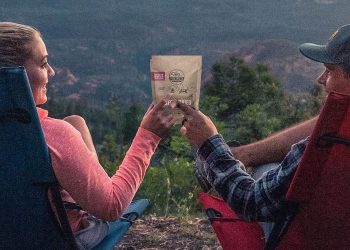
The world can seem chaotic, especially right after we wake up. Many believers start their mornings reaching for something familiar — a hot cup of coffee — yet end up settling for mediocre brews that do little more than deliver a caffeine jolt. The daily grind of life, with its endless distractions, news cycles, and responsibilities, can leave even the most faithful feeling spiritually parched alongside their physical fatigue. What if your morning ritual could do more than wake you up? What if it could ground you in truth, nourish your body with exceptional quality, and quietly advance a kingdom purpose at the same time?
That’s the promise — and the reality — behind Promised Grounds Coffee. This Christian-founded company doesn’t just roast beans; it approaches every step as an act of worship and discipleship. By selecting only the top 10% of specialty-grade beans, ethically sourced from dedicated farmers in Central and South America, and small-batch roasting them with reverence in Austin, Texas, Promised Grounds delivers what many describe as the best coffee available — never burnt, never bland, but rich with origin stories and layered flavors that honor God’s creation.
From the vibrant Psalm 27 Roast (a light, bright medium option) to the bold yet peaceful 2 Timothy 1:7 Decaf, each bag carries a Scripture verse that turns your daily pour into a gentle reminder of faith. And through their Ounce Per Ounce Promise, every ounce of coffee you enjoy provides an equal ounce of clean water to families in need via partnership with Filter of Hope — literally brewing hope for body and soul, one cup at a time.
The challenge for today’s Christians runs deeper than finding a decent cup. In an age of convenience-driven consumerism, it’s easy to support companies that dilute values or remain silent on matters of faith. Many believers want their everyday choices — from what they drink to how they spend — to reflect discipleship rather than just convenience. Promised Grounds solves this by weaving Christian excellence into the entire process: beans nurtured with prayerful stewardship by farming families, roasted as an offering rather than a commodity, and packaged with Bible verses to encourage a mindset of gratitude and purpose from the first sip. Reviewers consistently praise the smooth, rich profiles — whether enjoyed black in a drip maker, iced on a warm day, or shared in fellowship — noting how the quality stands toe-to-toe with premium secular brands while delivering something far more meaningful.
This integration of faith and flavor addresses a real need in Christian households and ministries. Busy parents, church leaders, and remote workers alike report that starting the day with a Scripture-inspired roast helps center their thoughts on eternal truths amid temporal pressures. The coffee’s exceptional character — bright citrus notes in lighter roasts or deep chocolate undertones in bolder ones — comes from meticulous selection and careful roasting that respects the bean’s natural gifts rather than masking them. It’s the kind of coffee that elevates a simple quiet time, fuels productive workdays, or sparks meaningful conversations when shared at Bible studies or outreach events. And because it’s ethically sourced with integrity, every purchase supports sustainable livelihoods for farmers who treat their crops like family harvests.
For those leading churches or small groups, the impact multiplies. Promised Grounds offers bundles and options perfect for hospitality ministries, turning ordinary coffee service into an opportunity to point people toward the living water of Christ. Imagine greeting visitors with a warm cup whose very bag carries God’s Word — a subtle yet powerful witness that aligns with the Great Commission. The company’s Texas roots and commitment to “brewing hope” resonate especially with believers who value American enterprise paired with global compassion.
Of course, quality alone isn’t enough if the experience feels out of reach. Promised Grounds keeps it accessible with practical perks like free shipping on orders over $40, sample sets for discovering favorites, and thoughtful add-ons such as faith-themed mugs. Whether you prefer whole beans for fresh grinding, grounds for convenience, or even bulk options for larger households and ministries, the result is consistently superior coffee that makes discipleship feel integrated rather than added on.
As you consider how to align even the smallest habits with your walk with God, Promised Grounds Coffee stands out as a refreshing solution. It tackles the dual problems of subpar daily sustenance and disconnected consumption by offering a product that genuinely excels in taste while advancing a mission of clean water, farmer dignity, and scriptural encouragement. Believers who make the switch often describe it as more than a beverage upgrade — it becomes part of their rhythm of gratitude, a daily invitation to remember that every good gift comes from above.
If you’re ready to transform your mornings (and perhaps your church gatherings) with coffee that honors both exceptional craftsmanship and Christian values, I encourage you to explore what Promised Grounds has to offer. One sip at a time, you’ll be nourishing your body, refreshing your spirit, and participating in something far greater — all while enjoying what truly is among the best coffee available.