President Donald Trump’s swift moves to lock down America’s southern border have hit Mexican cartels where it hurts most—their wallets. With illegal crossings plummeting to historic lows, these ruthless outfits that once raked in billions from human smuggling are now scrambling to pivot their operations. This is what happens when Washington finally puts American sovereignty first, starving the very networks that prey on vulnerable migrants and flood our streets with poison.
In the early months of Trump’s second term, the numbers told the story. U.S. Customs and Border Protection reported the lowest October crossings on record for fiscal year 2026, with daily apprehensions averaging just 258—less than 11 per hour. That’s a 95% drop from the chaos of the prior administration’s final years, when surges overwhelmed agents and communities alike.
By November 2025, the Department of Homeland Security was touting six straight months of zero releases by U.S. Border Patrol, a feat experts called unprecedented in modern times. Trump’s executive orders, signed on day one, designated major cartels like Sinaloa and Jalisco New Generation as foreign terrorist organizations, unlocking military-grade tools to seize assets and disrupt their cash flow.
Human smuggling was the cartels’ golden goose, a low-risk, high-reward racket that netted up to $13 billion annually at its peak. “The coyotes were making more money than the drug runners,” said one former Border Patrol official familiar with the operations.
Families desperate to reach the U.S. paid thousands per head, often handed over to cartel enforcers who treated them like cargo—extorting, assaulting, raping, or abandoning them in the desert. But with Trump’s border policies and a surge in deportations topping hundreds of thousands, that pipeline dried up fast. Over two million illegal aliens self-deported rather than risk the iron grip of streamlined ICE protocols.
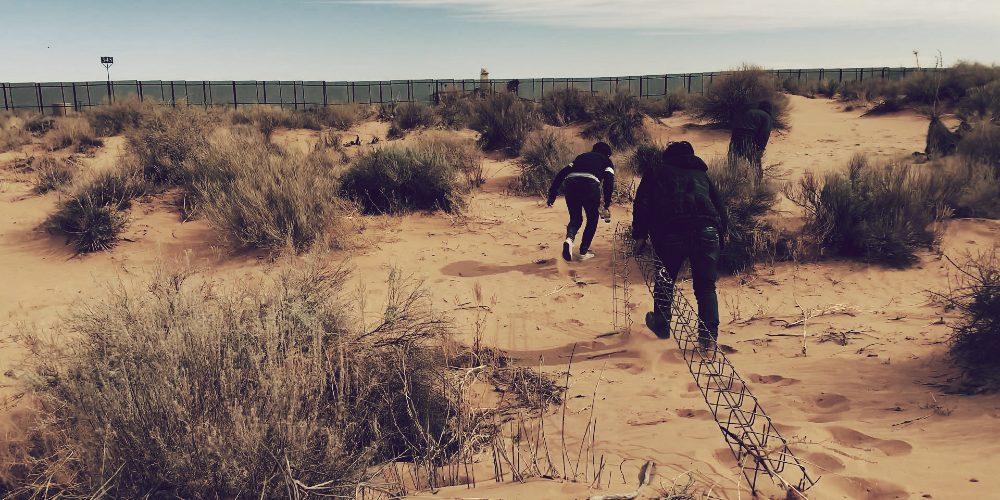
Now, the cartels are adapting in ways that spell trouble for everyone. Reports from the border indicate a dangerous uptick in riskier smuggling tactics. Migrants are being funneled through treacherous mountain passes and remote desert stretches, far from the well-trodden Rio Grande corridors where agents once focused patrols.
“It’s a dangerous game,” warned a DHS analyst tracking the shift. In one grim case last month, a group of 15 Venezuelans paid $8,000 each to cross via a cartel-guided trek over the Sierra Madres—only to face freezing nights, armed rivals, and no guarantee of survival.
Worse still, the criminals are doubling down on what they know best: drugs. Fentanyl labs in cartel strongholds like Sinaloa are ramping up production, with precursors smuggled from China despite White House proclamations slamming Beijing for its role. Seizures at legal ports of entry—where 90% of fentanyl slips through hidden in commercial trucks—have spiked, but so have overdose deaths in American heartland towns. Trump’s response? He’s greenlit naval interdictions off Venezuela, sinking cartel boats loaded with precursors, and now eyes land routes for the next phase.

“The land is easier, but that’s going to start very soon,” the president said in a recent address, signaling a no-holds-barred escalation. Military assets, including 5,000 active-duty troops, are already bolstering intelligence along the frontier.
This isn’t just about walls and wire—it’s about breaking the cartels’ stranglehold on our border and our communities. Mexico’s President Claudia Sheinbaum has extradited a few kingpins and sent troops north under pressure from Trump’s tariff threats, but corruption runs deep south of the line. Whispers from insiders suggest many local officials still turn a blind eye, pocketing bribes while American families bury kids lost to cartel fentanyl.
Is it outright collusion? The evidence piles up: cartels control entire towns, and enforcement often stops at the checkpoints. Trump’s terror designation cuts through that fog, treating these gangs like the enemies they are and forcing even reluctant allies to pick a side.
The results speak for themselves. Foreign-born populations in the U.S. are shrinking for the first time in half a century, visa overstays are under the microscope, and interior enforcement raids—like the one netting over 130 in Charlotte last week—keep the pressure on. Sure, the cartels will evolve, but so will we. As one Texas rancher on the front lines put it, “They thought they owned this border. Now they’re running scared—and that’s how it should be.”
America’s safety demands nothing less than total victory over these predators. With crossings at rock bottom and the vise tightening, the message is clear: cross us at your peril. The cartels’ empire is crumbling, but vigilance is key. Our families, our towns, our nation—they’re counting on it.
Bypass Big Tech Censors
Starting the Day With a Scripture-Inspired Roast Helps Center Your Thoughts on Eternal Truths Amid Temporal Pressures
The world can seem chaotic, especially right after we wake up. Many believers start their mornings reaching for something familiar — a hot cup of coffee — yet end up settling for mediocre brews that do little more than deliver a caffeine jolt. The daily grind of life, with its endless distractions, news cycles, and responsibilities, can leave even the most faithful feeling spiritually parched alongside their physical fatigue. What if your morning ritual could do more than wake you up? What if it could ground you in truth, nourish your body with exceptional quality, and quietly advance a kingdom purpose at the same time?
That’s the promise — and the reality — behind Promised Grounds Coffee. This Christian-founded company doesn’t just roast beans; it approaches every step as an act of worship and discipleship. By selecting only the top 10% of specialty-grade beans, ethically sourced from dedicated farmers in Central and South America, and small-batch roasting them with reverence in Austin, Texas, Promised Grounds delivers what many describe as the best coffee available — never burnt, never bland, but rich with origin stories and layered flavors that honor God’s creation.
From the vibrant Psalm 27 Roast (a light, bright medium option) to the bold yet peaceful 2 Timothy 1:7 Decaf, each bag carries a Scripture verse that turns your daily pour into a gentle reminder of faith. And through their Ounce Per Ounce Promise, every ounce of coffee you enjoy provides an equal ounce of clean water to families in need via partnership with Filter of Hope — literally brewing hope for body and soul, one cup at a time.
The challenge for today’s Christians runs deeper than finding a decent cup. In an age of convenience-driven consumerism, it’s easy to support companies that dilute values or remain silent on matters of faith. Many believers want their everyday choices — from what they drink to how they spend — to reflect discipleship rather than just convenience. Promised Grounds solves this by weaving Christian excellence into the entire process: beans nurtured with prayerful stewardship by farming families, roasted as an offering rather than a commodity, and packaged with Bible verses to encourage a mindset of gratitude and purpose from the first sip. Reviewers consistently praise the smooth, rich profiles — whether enjoyed black in a drip maker, iced on a warm day, or shared in fellowship — noting how the quality stands toe-to-toe with premium secular brands while delivering something far more meaningful.
This integration of faith and flavor addresses a real need in Christian households and ministries. Busy parents, church leaders, and remote workers alike report that starting the day with a Scripture-inspired roast helps center their thoughts on eternal truths amid temporal pressures. The coffee’s exceptional character — bright citrus notes in lighter roasts or deep chocolate undertones in bolder ones — comes from meticulous selection and careful roasting that respects the bean’s natural gifts rather than masking them. It’s the kind of coffee that elevates a simple quiet time, fuels productive workdays, or sparks meaningful conversations when shared at Bible studies or outreach events. And because it’s ethically sourced with integrity, every purchase supports sustainable livelihoods for farmers who treat their crops like family harvests.
For those leading churches or small groups, the impact multiplies. Promised Grounds offers bundles and options perfect for hospitality ministries, turning ordinary coffee service into an opportunity to point people toward the living water of Christ. Imagine greeting visitors with a warm cup whose very bag carries God’s Word — a subtle yet powerful witness that aligns with the Great Commission. The company’s Texas roots and commitment to “brewing hope” resonate especially with believers who value American enterprise paired with global compassion.
Of course, quality alone isn’t enough if the experience feels out of reach. Promised Grounds keeps it accessible with practical perks like free shipping on orders over $40, sample sets for discovering favorites, and thoughtful add-ons such as faith-themed mugs. Whether you prefer whole beans for fresh grinding, grounds for convenience, or even bulk options for larger households and ministries, the result is consistently superior coffee that makes discipleship feel integrated rather than added on.
As you consider how to align even the smallest habits with your walk with God, Promised Grounds Coffee stands out as a refreshing solution. It tackles the dual problems of subpar daily sustenance and disconnected consumption by offering a product that genuinely excels in taste while advancing a mission of clean water, farmer dignity, and scriptural encouragement. Believers who make the switch often describe it as more than a beverage upgrade — it becomes part of their rhythm of gratitude, a daily invitation to remember that every good gift comes from above.
If you’re ready to transform your mornings (and perhaps your church gatherings) with coffee that honors both exceptional craftsmanship and Christian values, I encourage you to explore what Promised Grounds has to offer. One sip at a time, you’ll be nourishing your body, refreshing your spirit, and participating in something far greater — all while enjoying what truly is among the best coffee available.