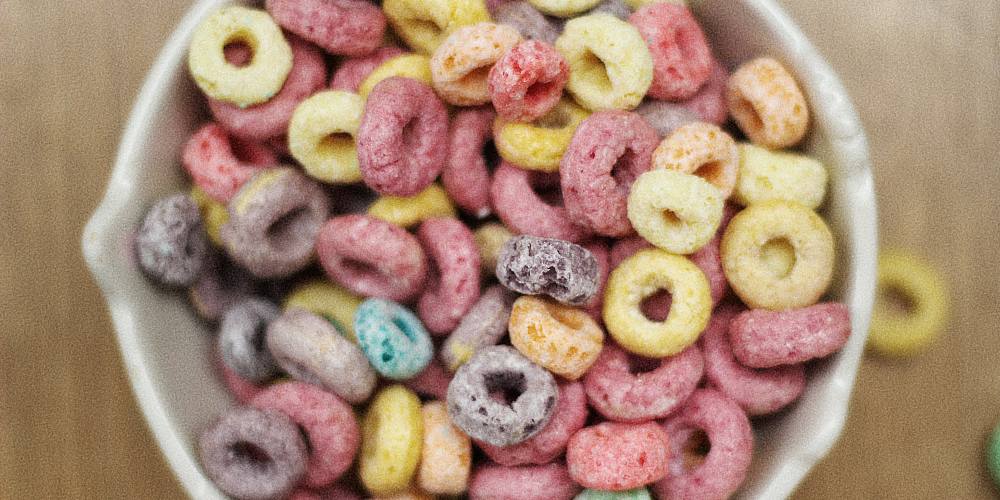
- Ultraprocessed foods are linked to liver disease and insulin resistance in obese children, with high consumption associated with metabolic disorders
- These foods are low in nutrients and high in unhealthy additives, contributing to poor health outcomes
- The prevalence of metabolic dysfunction-associated steatotic liver disease (MASLD) is increasing among adolescents
- Insulin resistance is a key factor in metabolic health issues, underscoring the importance of choosing healthy foods
- Ways to encourage children to increase their intake of whole, natural foods are outlined below
(Mercola)—It’s long been acknowledged that obesity in American adults is a public health problem. However, there’s a related issue on the rise — childhood obesity. According to the U.S. Centers for Disease Control and Prevention (CDC), around 1 in 5 children and adolescents are now obese.1
Much of the reason for the rise in childhood obesity is the preference for ultraprocessed foods. An estimated 67% of calories in children’s and teenagers’ diets come from these unhealthy products.2 In addition, research is showing that these foods are causing liver problems in children.
The Threat of Ultraprocessed Foods to Liver Health
Could the ultraprocessed foods your child regularly consumes be silently fueling serious liver diseases? According to a study3 published in Nutrients, the answer is a resounding yes, depending on the food you give them. Specifically, high intake of ultraprocessed foods is closely linked to metabolic-associated steatotic liver disease (MASLD), insulin resistance, and increased adiposity in obese youth. MASLD is of particular concern. According to the researchers:4
“MASLD is a multisystem disease affecting various metabolic pathways and is strongly linked to insulin resistance and obesity. Mechanistically, fat overload in the liver may lead to the accumulation of diacylglycerol, which activates protein kinase Cε (PKCε), impairing insulin signaling and leading to insulin resistance.
Body fat, particularly trunk fat, promotes insulin resistance through increased hepatic lipogenesis, leading to metabolic disturbances in the liver. When insulin resistance occurs, the oxidation of fatty acids in the liver decreases, promoting further fat accumulation and worsening hepatic steatosis. This process disrupts insulin signaling in the liver and increases fat accumulation, triggering inflammatory responses.”
For the study, researchers selected 149 participants aged 8 to 17 years old who were assessed for their dietary intake using detailed food diaries. Other biomarkers were taken as well, such as body weight and blood results.5
To measure the liver fat percentage, a technique called magnetic resonance imaging proton density fat fraction (MRI-PDFF) was used. This noninvasive method provides a detailed image of the liver. A liver fat percentage exceeding 5% is typically indicative of MASLD.6
The study, which lasted six months from baseline through follow-up, revealed that higher consumption of ultraprocessed food was strongly associated with increased insulin levels, a hallmark of insulin resistance. Furthermore, the research established a clear correlation between ultraprocessed food consumption and MASLD.
Children and adolescents who had the highest intake of ultraprocessed food were 1.75 times more likely to develop MASLD compared to those who ate less. The risk was even more pronounced for moderate-to-severe MASLD, where high ultraprocessed food consumers faced over four times the likelihood of developing advanced liver disease.
Other Research Highlights the Growing Concern of MASLD
The Nutrients study is not the only one to notice the increasing cases of MASLD among the youth. A study7 published in The Journal of Clinical Endocrinology & Metabolism reveals that an alarming 23.77% of U.S. adolescents aged 12 to 19 years are grappling with MASLD.

Using data taken from the National Health and Nutrition Examination Survey between 2017 and 2020, researchers noted that participants with MASLD were also predisposed to other health issues, such as increased triglyceride levels, elevated glucose levels and obesity.
While the study didn’t go into the specifics of the cause, the answer is already right in front of everyone — ultraprocessed foods. Again, as much as 67% of a child’s calories come from these products.
Tips to Help Reduce Your Child’s Intake of Ultraprocessed Food
While kids enjoy the taste of ultraprocessed foods such as frozen pizzas and fish sticks, keeping up this habit will eventually ruin their liver health, as well as their overall health. Ultimately, your goal is to reduce — and eventually eliminate — ultraprocessed foods in your children’s diet, and this requires a multifaceted approach:
- Eliminate seed oils — Your first order of business is removing all seed oils. This ingredient is loaded with harmful linoleic acid (LA), which I believe is the most destructive ingredient in our modern diet today. A majority of ultraprocessed foods contain high amounts of LA, so make this your top priority.
- Replace ultraprocessed foods slowly — Gradually replace the ultraprocessed foods your child eats with whole foods. Start by replacing a snack or meal with whole foods, such as swapping out chips for fresh fruit. A slow approach helps children get used to new flavors without feeling overwhelmed.
- Get children involved — One powerful technique that will inspire children to eat more fresh food is by inviting them in meal planning and preparation. Let your kid choose recipes, and even shop for ingredients and cook the food. This way, they’ll develop a sense of ownership and pride in their food.By getting them involved, their willingness to try healthier meals will grow. Plus, teaching them to cook builds valuable life skills at a young age. Start by letting them with simple tasks, such as washing the produce, then move on to more complicated chores as they grow older.
- Change your family’s eating habits — The way your family eats during mealtimes will significantly impact your child’s consumption of ultraprocessed foods. Encourage them to eat meals together without distractions, such as TV or phones. Also, teach them to savor each bite of their food, as well as making them aware of their body’s hunger and fullness cues. This helps avoid mindless snacking while allowing them to build a healthy relationship with eating.
- Engage with the people around you — Community-based programs, such as food assistance benefits from local farmers markets, community gardens and cooking classes will contribute to a culture focused on whole-food consumption. These programs also increase the availability of fresh produce, which helps families to make better choices.
- Take advantage of technology — There are many available tools nowadays that help educate children and track their eating habits. For example, there are now apps that allow children to scan barcodes in food to learn about the ingredients in an engaging way. Some apps even go beyond by turning healthy eating into a game.
Removing Ultraprocessed Foods — The Foundation of Your Child’s Health
The evidence is clear — ultraprocessed foods will harm your child’s health in the long run. While designed to be convenient and appetizing, these products are wreaking havoc on their young minds and bodies, disrupting natural bodily processes, altering gut microbiomes and creating nutrient deficiencies. The health care costs are also alarming. According to the CDC, childhood obesity costs the U.S. economy $1.3 billion annually.8
While change starts at home, society must also walk in step to protect the long-term health of our youth. Advocating for policy changes, better education and environmental changes will result in a robust framework for reducing children’s consumption of ultraprocessed foods.9
- 1, 8 CDC, Childhood Obesity Facts
- 2 NPR, May 28, 2023
- 3 Nutrients 2024, 16(20), 3524, Abstract
- 4 Nutrients 2024, 16(20), 3524, Discussion
- 5, 6 Nutrients 2024, 16(20), 3524, Materials and Methods
- 7 The Journal of Clinical Endocrinology & Metabolism, dgae553, Abstract
- 9 BMJ 2023;383:e075294
Bypass Big Tech Censors

Starting the Day With a Scripture-Inspired Roast Helps Center Your Thoughts on Eternal Truths Amid Temporal Pressures
The world can seem chaotic, especially right after we wake up. Many believers start their mornings reaching for something familiar — a hot cup of coffee — yet end up settling for mediocre brews that do little more than deliver a caffeine jolt. The daily grind of life, with its endless distractions, news cycles, and responsibilities, can leave even the most faithful feeling spiritually parched alongside their physical fatigue. What if your morning ritual could do more than wake you up? What if it could ground you in truth, nourish your body with exceptional quality, and quietly advance a kingdom purpose at the same time?
That’s the promise — and the reality — behind Promised Grounds Coffee. This Christian-founded company doesn’t just roast beans; it approaches every step as an act of worship and discipleship. By selecting only the top 10% of specialty-grade beans, ethically sourced from dedicated farmers in Central and South America, and small-batch roasting them with reverence in Austin, Texas, Promised Grounds delivers what many describe as the best coffee available — never burnt, never bland, but rich with origin stories and layered flavors that honor God’s creation.
From the vibrant Psalm 27 Roast (a light, bright medium option) to the bold yet peaceful 2 Timothy 1:7 Decaf, each bag carries a Scripture verse that turns your daily pour into a gentle reminder of faith. And through their Ounce Per Ounce Promise, every ounce of coffee you enjoy provides an equal ounce of clean water to families in need via partnership with Filter of Hope — literally brewing hope for body and soul, one cup at a time.
The challenge for today’s Christians runs deeper than finding a decent cup. In an age of convenience-driven consumerism, it’s easy to support companies that dilute values or remain silent on matters of faith. Many believers want their everyday choices — from what they drink to how they spend — to reflect discipleship rather than just convenience. Promised Grounds solves this by weaving Christian excellence into the entire process: beans nurtured with prayerful stewardship by farming families, roasted as an offering rather than a commodity, and packaged with Bible verses to encourage a mindset of gratitude and purpose from the first sip. Reviewers consistently praise the smooth, rich profiles — whether enjoyed black in a drip maker, iced on a warm day, or shared in fellowship — noting how the quality stands toe-to-toe with premium secular brands while delivering something far more meaningful.
This integration of faith and flavor addresses a real need in Christian households and ministries. Busy parents, church leaders, and remote workers alike report that starting the day with a Scripture-inspired roast helps center their thoughts on eternal truths amid temporal pressures. The coffee’s exceptional character — bright citrus notes in lighter roasts or deep chocolate undertones in bolder ones — comes from meticulous selection and careful roasting that respects the bean’s natural gifts rather than masking them. It’s the kind of coffee that elevates a simple quiet time, fuels productive workdays, or sparks meaningful conversations when shared at Bible studies or outreach events. And because it’s ethically sourced with integrity, every purchase supports sustainable livelihoods for farmers who treat their crops like family harvests.
For those leading churches or small groups, the impact multiplies. Promised Grounds offers bundles and options perfect for hospitality ministries, turning ordinary coffee service into an opportunity to point people toward the living water of Christ. Imagine greeting visitors with a warm cup whose very bag carries God’s Word — a subtle yet powerful witness that aligns with the Great Commission. The company’s Texas roots and commitment to “brewing hope” resonate especially with believers who value American enterprise paired with global compassion.
Of course, quality alone isn’t enough if the experience feels out of reach. Promised Grounds keeps it accessible with practical perks like free shipping on orders over $40, sample sets for discovering favorites, and thoughtful add-ons such as faith-themed mugs. Whether you prefer whole beans for fresh grinding, grounds for convenience, or even bulk options for larger households and ministries, the result is consistently superior coffee that makes discipleship feel integrated rather than added on.
As you consider how to align even the smallest habits with your walk with God, Promised Grounds Coffee stands out as a refreshing solution. It tackles the dual problems of subpar daily sustenance and disconnected consumption by offering a product that genuinely excels in taste while advancing a mission of clean water, farmer dignity, and scriptural encouragement. Believers who make the switch often describe it as more than a beverage upgrade — it becomes part of their rhythm of gratitude, a daily invitation to remember that every good gift comes from above.
If you’re ready to transform your mornings (and perhaps your church gatherings) with coffee that honors both exceptional craftsmanship and Christian values, I encourage you to explore what Promised Grounds has to offer. One sip at a time, you’ll be nourishing your body, refreshing your spirit, and participating in something far greater — all while enjoying what truly is among the best coffee available.