(ZeroHedge)—For several years the WNBA and other female sports figures have tried to ride the third-wave of feminist propaganda in and attempt to garner pity from the public and demand a higher pay rate. In 2020, this was largely centered on the fallacy of the “gender pay gap”, a now thoroughly debunked claim that women get paid less than men due to sexism and discrimination.
In fact, the studies feminists use to support the gender pay gap theory do not actually show any evidence that such a discrepancy exists. Not accounting for all factors, yes, women make less than men on average, but this is because men work longer hours, take less vacation days, do not take leave for pregnancy or family and are more likely to ask for a raise. In other words, men get paid more because they work harder, not because there is a patriarchal conspiracy to make women work for less.
The general public has been educated on the lies of the gender pay gap narrative, but this has not stopped some activists from promoting it anyway. The WNBA has been incessant in its efforts to push the notion that they are paid less, purely because they are women. This time they are touting increased audience numbers as evidence.
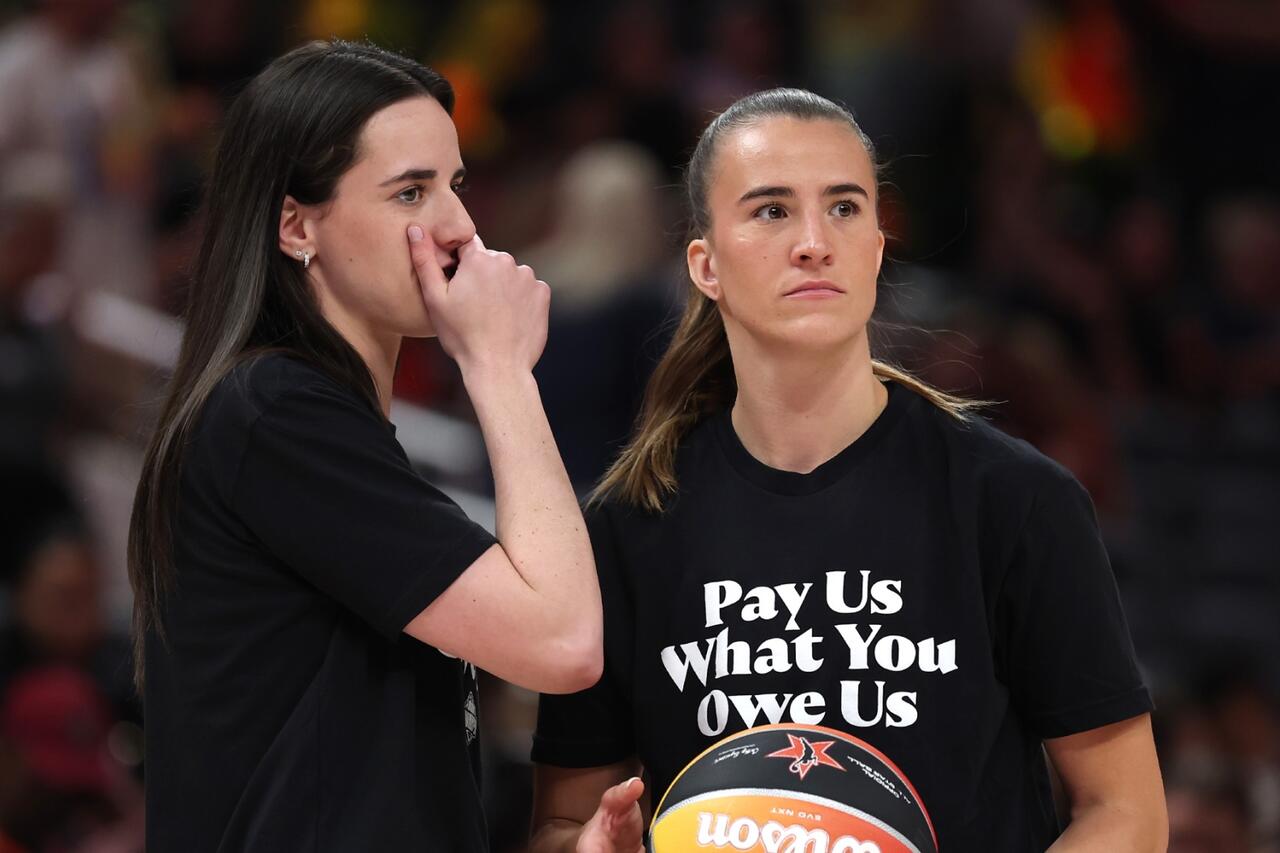
In the recent WNBA All-Stars Game opening, players including Caitlin Clark, Paige Bueckers and Angel Reese, wore “Pay Us What You Owe Us” T-shirts during warm-ups. The shirts were worn to highlight the WNBA contract dispute in CBA negotiations.
The players and the league failed to reach a new collective bargaining agreement at an in-person meeting last week. The league’s players opted out of their last CBA in October and they are looking for a better revenue-sharing model, increased salaries, improved benefits and a softer salary cap after record attendance and TV ratings in 2024.
The problem is, “record” attendance and TV ratings don’t mean much for a league which has never turned a profit in its 29 year history. Let’s break down why WNBA players don’t deserve a pay increase…
The WNBA is subsidized by the NBA. Without the men’s league the WNBA would not exist and would have no operating cash.
To put this in perspective, the NBA brought in $11.3 billion in revenues in 2024 (ticket sales, advertising, product deals, etc.). The WNBA brought in $710 million in revenues in 2024. The NBA does not calculate league-wide profits, with each team franchise reporting their own individual profits (referred to as Operating Income).

The team with the highest operating income in 2024 was the Los Angeles Lakers with nearly $200 million. WNBA teams do not report their individual operating incomes, but the league as a whole lost $40 million in 2024 even with higher viewership.
One WNBA claim is true: They have increased their audience in the past year. The league’s viewership jumped from an average of 500,000 people in 2023 to 1.1 million in 2024. That’s quite a success story, but not as important to player payment contracts as one might think.
First and foremost, the majority of gains in WNBA viewership are owed to one player – Caitlin Clark. Clark has displayed actual skill on the court, something which has been severely lacking in WNBA games for many years. Furthermore, the ongoing controversy over other players attacking Clark on and off the court (female jealousy and girl-fights) has lured in watchers. There have been multiple flagrant attempts, for instance, to poke out Clark’s eyes during game play.
Fans of Clark see her and her team as underdogs battling an army of low class ghetto players trying to cripple her just for getting more media attention (or for being white). The drama has led to a larger audience and Clark is a ratings magnet. As proof, when Clark was sidelined from games in May due to an injury, WNBA ratings plunged by a staggering 55%. In other words, Clark is the only reason people are watching.
The same players that have been jealously criticizing Caitlin Clark and her team and injuring her on the court (and smiling while doing it) have apparently been pressuring her to be more vocal about the contract dispute.
During a post game presser, two-time WNBA champion Kelsey Plum singled out Team Clark players for not being as participatory as members of Team Collier in the planning of the on-court tee demonstration.
“It was a very powerful moment…We didn’t … know that that was gonna happen, so I think it was kind of a genuine surprise. The T-shirt — just [the] united front — was determined this morning. That, we had a meeting for.
“You know, not to tattletale, but zero members of Team Clark were very present for that.”
WNBA ticket sales in 2024 averaged 9800 fans per game, a 22-year high. However, the NBA brings in an average of 18,700 fans per game. WNBA tickets sell for $20-$50 per seat with high end tickets going for $150. NBA tickets sell for $97 per seat on average and $500 or more for high end tickets.
For an organization of players that lose money every year, feed off the men’s organizations, and owe almost all of their recent success to a single player who they seem to hate, these women are acting incredibly entitled. Until the WNBA actually brings in legitimate profits they have no right to demand anything. And, if there is an eventual pay raise, the majority of the money should go to Caitlin Clark.
Bypass Big Tech Censors

Starting the Day With a Scripture-Inspired Roast Helps Center Your Thoughts on Eternal Truths Amid Temporal Pressures
The world can seem chaotic, especially right after we wake up. Many believers start their mornings reaching for something familiar — a hot cup of coffee — yet end up settling for mediocre brews that do little more than deliver a caffeine jolt. The daily grind of life, with its endless distractions, news cycles, and responsibilities, can leave even the most faithful feeling spiritually parched alongside their physical fatigue. What if your morning ritual could do more than wake you up? What if it could ground you in truth, nourish your body with exceptional quality, and quietly advance a kingdom purpose at the same time?
That’s the promise — and the reality — behind Promised Grounds Coffee. This Christian-founded company doesn’t just roast beans; it approaches every step as an act of worship and discipleship. By selecting only the top 10% of specialty-grade beans, ethically sourced from dedicated farmers in Central and South America, and small-batch roasting them with reverence in Austin, Texas, Promised Grounds delivers what many describe as the best coffee available — never burnt, never bland, but rich with origin stories and layered flavors that honor God’s creation.
From the vibrant Psalm 27 Roast (a light, bright medium option) to the bold yet peaceful 2 Timothy 1:7 Decaf, each bag carries a Scripture verse that turns your daily pour into a gentle reminder of faith. And through their Ounce Per Ounce Promise, every ounce of coffee you enjoy provides an equal ounce of clean water to families in need via partnership with Filter of Hope — literally brewing hope for body and soul, one cup at a time.
The challenge for today’s Christians runs deeper than finding a decent cup. In an age of convenience-driven consumerism, it’s easy to support companies that dilute values or remain silent on matters of faith. Many believers want their everyday choices — from what they drink to how they spend — to reflect discipleship rather than just convenience. Promised Grounds solves this by weaving Christian excellence into the entire process: beans nurtured with prayerful stewardship by farming families, roasted as an offering rather than a commodity, and packaged with Bible verses to encourage a mindset of gratitude and purpose from the first sip. Reviewers consistently praise the smooth, rich profiles — whether enjoyed black in a drip maker, iced on a warm day, or shared in fellowship — noting how the quality stands toe-to-toe with premium secular brands while delivering something far more meaningful.
This integration of faith and flavor addresses a real need in Christian households and ministries. Busy parents, church leaders, and remote workers alike report that starting the day with a Scripture-inspired roast helps center their thoughts on eternal truths amid temporal pressures. The coffee’s exceptional character — bright citrus notes in lighter roasts or deep chocolate undertones in bolder ones — comes from meticulous selection and careful roasting that respects the bean’s natural gifts rather than masking them. It’s the kind of coffee that elevates a simple quiet time, fuels productive workdays, or sparks meaningful conversations when shared at Bible studies or outreach events. And because it’s ethically sourced with integrity, every purchase supports sustainable livelihoods for farmers who treat their crops like family harvests.
For those leading churches or small groups, the impact multiplies. Promised Grounds offers bundles and options perfect for hospitality ministries, turning ordinary coffee service into an opportunity to point people toward the living water of Christ. Imagine greeting visitors with a warm cup whose very bag carries God’s Word — a subtle yet powerful witness that aligns with the Great Commission. The company’s Texas roots and commitment to “brewing hope” resonate especially with believers who value American enterprise paired with global compassion.
Of course, quality alone isn’t enough if the experience feels out of reach. Promised Grounds keeps it accessible with practical perks like free shipping on orders over $40, sample sets for discovering favorites, and thoughtful add-ons such as faith-themed mugs. Whether you prefer whole beans for fresh grinding, grounds for convenience, or even bulk options for larger households and ministries, the result is consistently superior coffee that makes discipleship feel integrated rather than added on.
As you consider how to align even the smallest habits with your walk with God, Promised Grounds Coffee stands out as a refreshing solution. It tackles the dual problems of subpar daily sustenance and disconnected consumption by offering a product that genuinely excels in taste while advancing a mission of clean water, farmer dignity, and scriptural encouragement. Believers who make the switch often describe it as more than a beverage upgrade — it becomes part of their rhythm of gratitude, a daily invitation to remember that every good gift comes from above.
If you’re ready to transform your mornings (and perhaps your church gatherings) with coffee that honors both exceptional craftsmanship and Christian values, I encourage you to explore what Promised Grounds has to offer. One sip at a time, you’ll be nourishing your body, refreshing your spirit, and participating in something far greater — all while enjoying what truly is among the best coffee available.